Complete Cremation Guide: Process, Costs, Services, and Ceremonies Explained
Learn cremation process, costs vs burial, ceremony options, and choosing services. A comprehensive guide for families.
What Is Cremation and How Does It Work
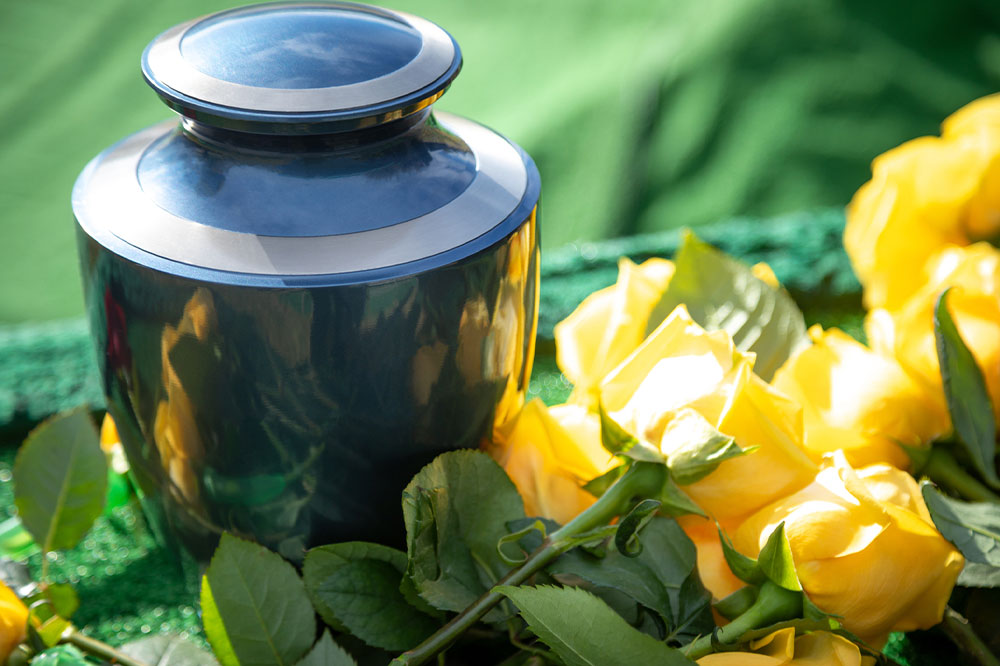
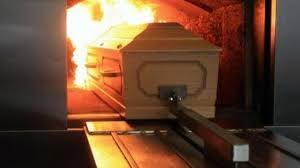
Cremation uses high heat to reduce a body to bone fragments, typically within two to three hours. The process begins with identification and authorization, followed by removal of personal items and medical devices such as pacemakers. The body is placed in a cremation chamber heated to 1400–1800°F. After cooling, the remains are collected and placed in a temporary container or an urn of the family's choice. Understanding these steps helps families plan a respectful farewell.
Cremation vs. Burial: Costs Side by Side
Cost is a significant factor in end-of-life decisions. According to the National Funeral Directors Association (NFDA), cremation is generally more affordable, allowing families to allocate funds to other memorialization options. Below is a typical cost comparison:
| Service Type | Average Cost ($) |
|---|---|
| Direct Cremation | 1,000 – 2,000 |
| Cremation with Memorial Service | 2,000 – 4,000 |
| Burial with Viewing | 7,000 – 12,000 |
The lower cost of cremation opens up possibilities such as charitable donations, travel for ash scattering, or personalized keepsakes.
Types of Cremation Services Available
Families can choose among several service types based on their preferences and budget:
Direct Cremation: Skips embalming and viewings, focusing on simplicity and low cost.
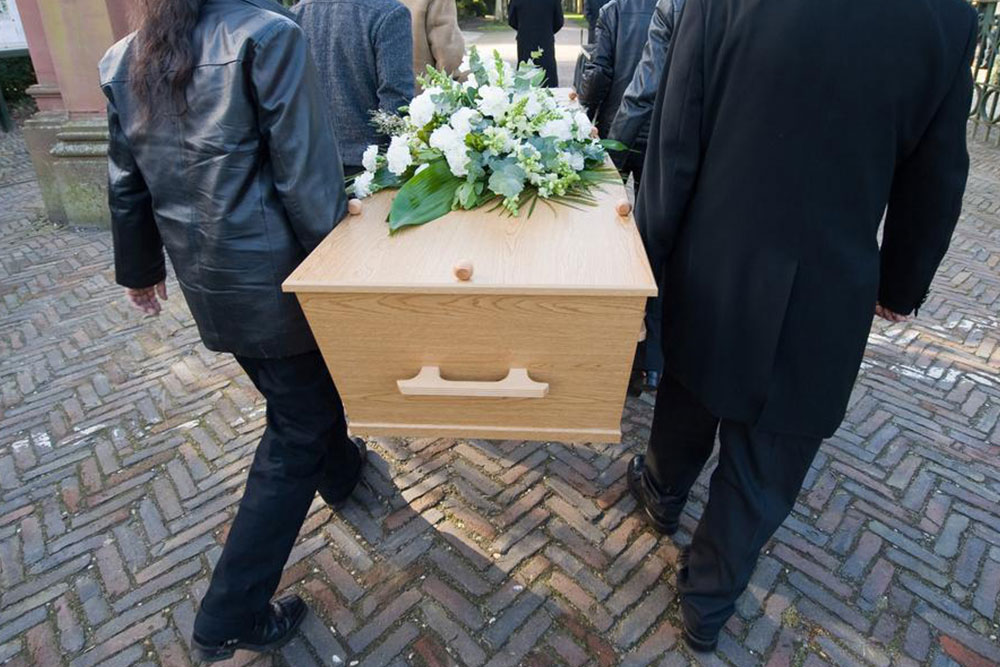
Cremation with Viewing: Includes embalming and a traditional visitation before cremation.
Cremation with Memorial Service: Combines cremation with a personalized gathering afterward.
Additional services include columbarium placement, biodegradable urns, and international shipping of ashes.
Planning a Personalized Cremation Ceremony
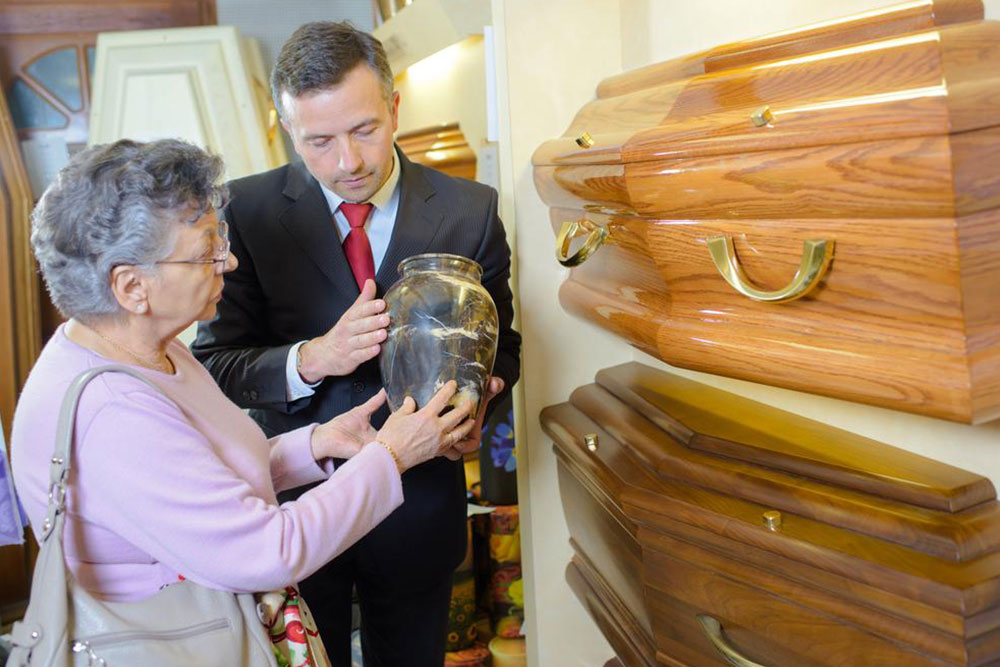
Cremation does not limit ceremony options; it offers flexibility in timing and location. Families can hold a memorial service after cremation, a traditional funeral before cremation, scattering ceremonies at meaningful locations (following local regulations), or keepsake memorials using urns, jewelry, or biodegradable urns that grow into trees. Personalization honors the deceased and supports healing.
Key Factors in Choosing Cremation or Burial
The decision is deeply personal. Financially, cremation is often less expensive. Culturally and religiously, some faiths prefer burial; consulting a religious leader is advisable. Environmentally, cremation avoids land use and embalming chemicals, though newer methods like water cremation have even lower impact. Cremation also provides greater flexibility in ceremony timing and location. Ultimately, the choice should reflect the deceased's wishes and the family's priorities.
Empowering Families Through Knowledge
By understanding the cremation process, comparing costs, exploring ceremony options, and considering personal factors, families can make informed decisions that bring peace and closure. This knowledge allows loved ones to honor the deceased in a way that feels most meaningful.