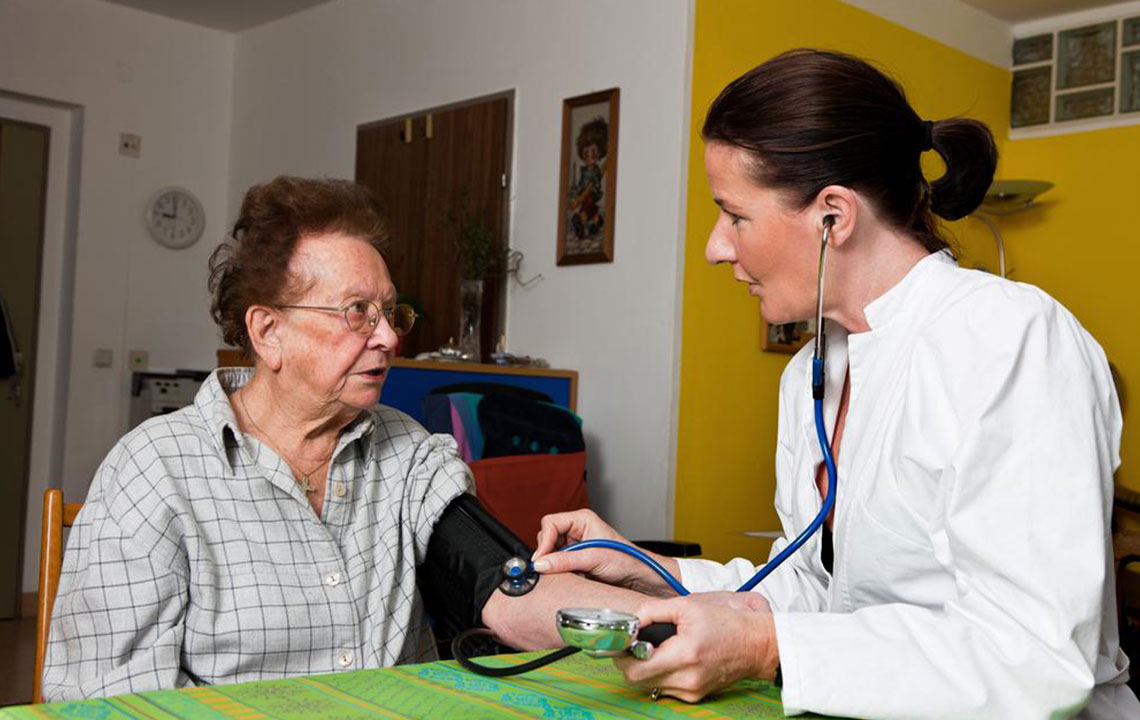
Comprehensive Guide to Choosing a Family Doctor: Services, Benefits & Key Tips
Learn what family doctors do, their key services, and how to find one accepting new patients. Essential preventative care guide.

What Exactly Is a Family Doctor?
A family doctor—often called a primary care physician (PCP)—is a medical professional trained to care for patients of all ages, from newborns to seniors. Unlike specialists who focus on a single organ or disease, family doctors provide whole-person care. They get to know your medical history, family background, and lifestyle over years, allowing them to spot patterns and offer more effective, personalized treatment. This continuity makes them invaluable for managing complex, long-term conditions and coordinating care across the healthcare system.
Core Services Family Doctors Offer
Family doctors are versatile and handle a broad spectrum of health needs. Below is a quick overview of the main service categories:
| Service Category | What It Includes |
|---|---|
| Preventative Care | Annual physicals, vaccinations, cancer screenings, blood pressure checks |
| Acute Illness Treatment | Diagnosing and treating infections, minor injuries, colds, flu |
| Chronic Disease Management | Ongoing care for diabetes, hypertension, asthma, heart disease |
| Mental Health Support | Depression/anxiety counseling, medication management, referrals |
| Maternity & Pediatric Care | Prenatal checkups, child growth monitoring, immunizations |
Based on data from the American Academy of Family Physicians.
How to Find a Family Doctor Accepting New Patients
Finding the right PCP takes a little planning. Follow these steps:
Ask for referrals from friends, family, or your current healthcare providers.
Use online directories—your insurance company's website or the AAFP's Find a Family Doctor tool.
Verify insurance before scheduling to avoid surprise bills.
Check location and hours—convenient access helps you stick with appointments.
Book a meet-and-greet to see if the doctor’s communication style fits your needs.
What Happens During a Family Doctor Appointment?
A typical visit includes reviewing your medical history, discussing any current symptoms or concerns, performing a focused physical exam, ordering age- and gender-appropriate tests, and prescribing treatments or lifestyle changes. Because your doctor knows your baseline, they can detect subtle changes early and tailor recommendations precisely.
Why Preventative Care Is the Heart of Family Medicine
Family doctors emphasize prevention as the best way to stay healthy. Regular screenings (e.g., cholesterol, mammograms, colonoscopies), immunizations, and counseling on diet, exercise, and stress management help reduce the risk of serious illness and catch problems when they're most treatable. This proactive approach saves lives and reduces long-term healthcare costs.
How Electronic Health Records Improve Your Care
EHR systems let your family doctor securely store your complete history, manage prescriptions with fewer errors, and share information with specialists seamlessly. This means you don't have to repeat your story at every visit and care coordination becomes smoother and safer.
Common Challenges Family Doctors Face
Many family physicians deal with high patient volumes, heavy administrative workloads, and the constant need to stay updated on medical advances—leading to burnout. Despite these pressures, they remain dedicated to providing continuous, compassionate care for the whole family.
Frequently Asked Questions
Q: How often should I see my family doctor?
A: At least once a year for a checkup; more often if you have a chronic condition or new symptoms.
Q: Can a family doctor treat mental health issues?
A: Yes, many offer counseling, prescribe antidepressants/anxiolytics, and refer to specialists when needed.
Q: What’s the difference between a family doctor and an internist?
A: Family doctors care for all ages; internists only treat adults. Both can serve as PCPs.
Q: Do family doctors manage chronic diseases like diabetes?
A: Absolutely. They create personalized treatment plans, monitor progress, and adjust medications over time.
Q: Can I bring my child to a family doctor?
A: Most family doctors provide pediatric care, including vaccinations, growth checks, and treatment for common childhood illnesses.