Bad Breath (Halitosis): Causes, Self-Checks, Proven Remedies, and When to See a Doctor
Learn the root causes of bad breath, simple self-diagnosis tests, effective home remedies, and when to seek professional help for halitosis.
How to Tell If You Have Bad Breath
Because we quickly become nose-blind to our own scent, self-detection isn't easy. Try these reliable methods: lick the inside of your wrist, let it dry for a few seconds, then smell – this mimics how your breath hits others. Also, check the odor of your floss or toothbrush after use; a foul smell indicates bacterial buildup. The simplest approach? Ask a trusted friend or family member – they'll give you an honest answer. Other warning signs include a persistent bad taste in the mouth, excessive dryness or thick saliva, and people frequently offering you gum or mints.
What Causes Halitosis?
Oral Hygiene Issues
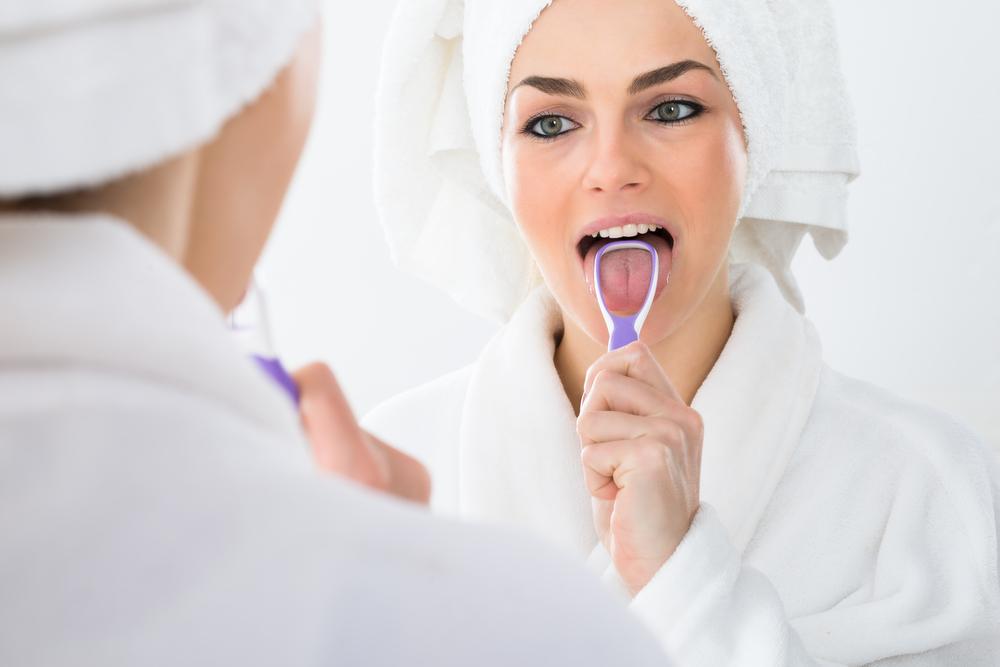
Poor brushing and flossing leave food particles behind. Bacteria in the mouth break these down into volatile sulfur compounds (VSCs), which produce the familiar bad smell. Plaque buildup leads to cavities and gum disease, both major contributors. Don't neglect your tongue – its rough surface traps bacteria and debris, so cleaning it daily is essential.
Dry Mouth (Xerostomia)
Saliva naturally washes away bacteria and food remnants. When saliva production drops – due to dehydration, smoking, certain medications, or sleeping with an open mouth – odor-causing microbes multiply rapidly. Conditions like sleep apnea can make dry mouth worse.
Diet, Smoking, and Lifestyle
Garlic and onions cause temporary bad breath, but other foods matter too. Sugary items feed bacteria, low‑carb diets produce “ketone breath” (a fruity or acetone-like odor), and dairy or spicy foods contain amino acids bacteria love. Tobacco use dries the mouth and leaves its own tar-and-nicotine smell, while increasing the risk of gum infections.
Underlying Medical Conditions
Sometimes halitosis signals a health issue beyond your mouth. Gum disease (periodontitis) creates persistent odor. Sinus infections or postnasal drip introduce bacteria into the oral cavity. Uncontrolled diabetes can cause a fruity or acetone scent from ketoacidosis. Liver and kidney disease release toxins through the breath, while GERD or ulcers allow stomach gases to escape upward.
Proven Strategies to Prevent and Improve Bad Breath
Upgrade Your Daily Oral Hygiene
Brush for two minutes twice daily with fluoride toothpaste, including your tongue. Floss every day to remove debris between teeth. Use an antibacterial mouthwash containing chlorhexidine or fluoride to reduce bacteria. Replace your toothbrush every three to four months, and clean retainers, dentures, or aligners as directed by your dentist.
Stay Hydrated and Adjust Your Diet
Drink plenty of water throughout the day. Limit coffee, alcohol, and sugary drinks, which promote dry mouth. Eat crunchy vegetables like carrots, apples, and celery – they naturally scrub teeth and stimulate saliva. Include probiotic‑rich foods such as yogurt to balance oral bacteria. Minimize garlic, onions, and spicy foods before important events.
Try Natural and Quick Fixes
Chew sugar‑free gum with xylitol – it stimulates saliva and may reduce plaque (temporary but handy). Rinse with baking soda mixed in water to neutralize odors briefly. Green tea’s antioxidants can help reduce oral bacteria.
Quit Smoking
Stopping tobacco use is one of the most effective steps for fresher breath and overall health. Seek support from a doctor or smoking‑cessation program if needed.
When to See a Professional
If bad breath continues despite good oral hygiene, or if you notice bleeding gums, loose teeth, or a sudden unusual odor (fruity, metallic, ammonia-like, or fishy), consult a dentist or doctor. They can treat gum disease, cavities, or refer you to a specialist if an underlying condition such as diabetes, kidney disease, or liver disease is suspected. With the right approach, fresher breath is achievable – start with small changes and don’t hesitate to seek professional advice.