Fregellae: Rome Destroyed This Rebel City, Which Lay Abandoned for 170 Years, Excavations Reveal
New digs at Fregellae, 55 miles from Rome, show a vibrant city razed in 125 BC after a rebellion for Roman citizenship, then left abandoned for 170 years.
New Evidence from Fregellae
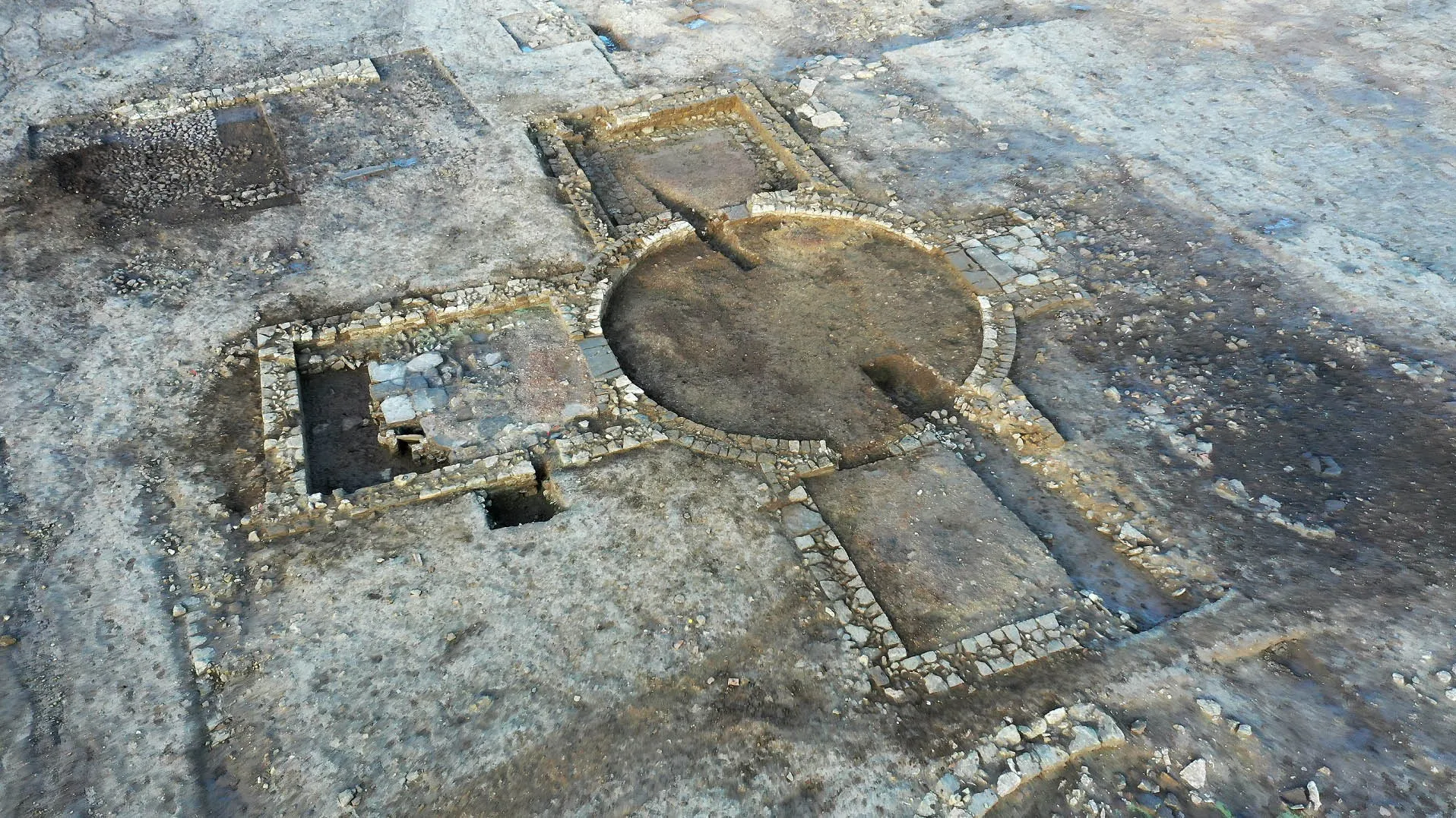
An international team of archaeologists from Germany, Italy, and Switzerland has uncovered fresh details about Fregellae, an ancient city about 55 miles (90 km) southeast of Rome. The site, first identified in the 1980s, was violently destroyed by Roman forces in 125 BC and then left uninhabited for over 170 years. Recent digs have yielded pottery, seeds, and the remains of a villa on the outskirts, offering a vivid picture of life before and after the catastrophe.
Roots of the Rebellion
The uprising at Fregellae stemmed from a long-standing grievance: the city and other Latin colonies held only limited Roman citizenship, which restricted their rights to own public land and other privileges. This simmering discontent eventually fueled the Social War (91–87 BC), after which Rome granted full citizenship to its Italian allies. The exact trigger for the Fregellae revolt in 125 BC remains unknown, but the city’s defiance prompted a swift and brutal response.
The Roman Siege
Rome dispatched praetor Lucius Opimius to crush the rebellion. The timing was strategic: the city revolted while both Roman consuls were leading campaigns abroad, hoping to catch the Republic off guard. However, Rome’s military flexibility allowed a praetor-led army to besiege and utterly destroy Fregellae. Evidence of intense fire damage at the villa site confirms that the destruction was simultaneous with the fall of the urban center. Archaeologists also discovered the remains of a Roman military camp nearby, fortified with a wall and a moat, underscoring the scale of the operation. Pottery fragments from the revolt period serve as a precise chronological marker dating the destruction to 125 BC.
Life Before the Destruction
Before its demise, Fregellae was a thriving urban and agricultural hub. Excavations have uncovered floor mosaics, public baths, houses, and large pottery vessels used to store wine, fruit, and grain. The villa on the city’s outskirts housed up to 50 workers—likely including enslaved people—and points to a robust export-oriented economy. The presence of Samnite families, non-Roman people who had migrated to Fregellae about 60 years prior, adds a complex social dimension. They viewed even limited Roman citizenship as preferable to having no ties with Rome at all.
Aftermath and Abandonment
The complete obliteration of Fregellae illustrated Rome’s uncompromising response to rebellion. After the destruction, the area was turned into a landfill and remained abandoned for nearly two centuries. This 170-year hiatus was a stark symbol of the consequences of defiance. Archaeologists note that the scarcity of contemporary historical records makes these excavations crucial for understanding the events. The material evidence—from burnt layers to storage vessels—provides a detailed chronology that written accounts cannot offer.
Broader Historical Insights
The story of Fregellae reveals the tensions between Roman central authority and its Italian allies, the mechanics of Roman military logistics, and the everyday life of a city that dared to challenge the Republic. Continued excavations promise to yield further insights into the social, economic, and political dynamics of pre-Imperial Italy.