Meta Expands the Metaverse: Quest 3S, Holographic Glasses, AI & Project Orion
Meta unveils Quest 3S, holographic glasses, celebrity-voiced AI, and Project Orion to make the metaverse accessible. Find out the latest innovations.
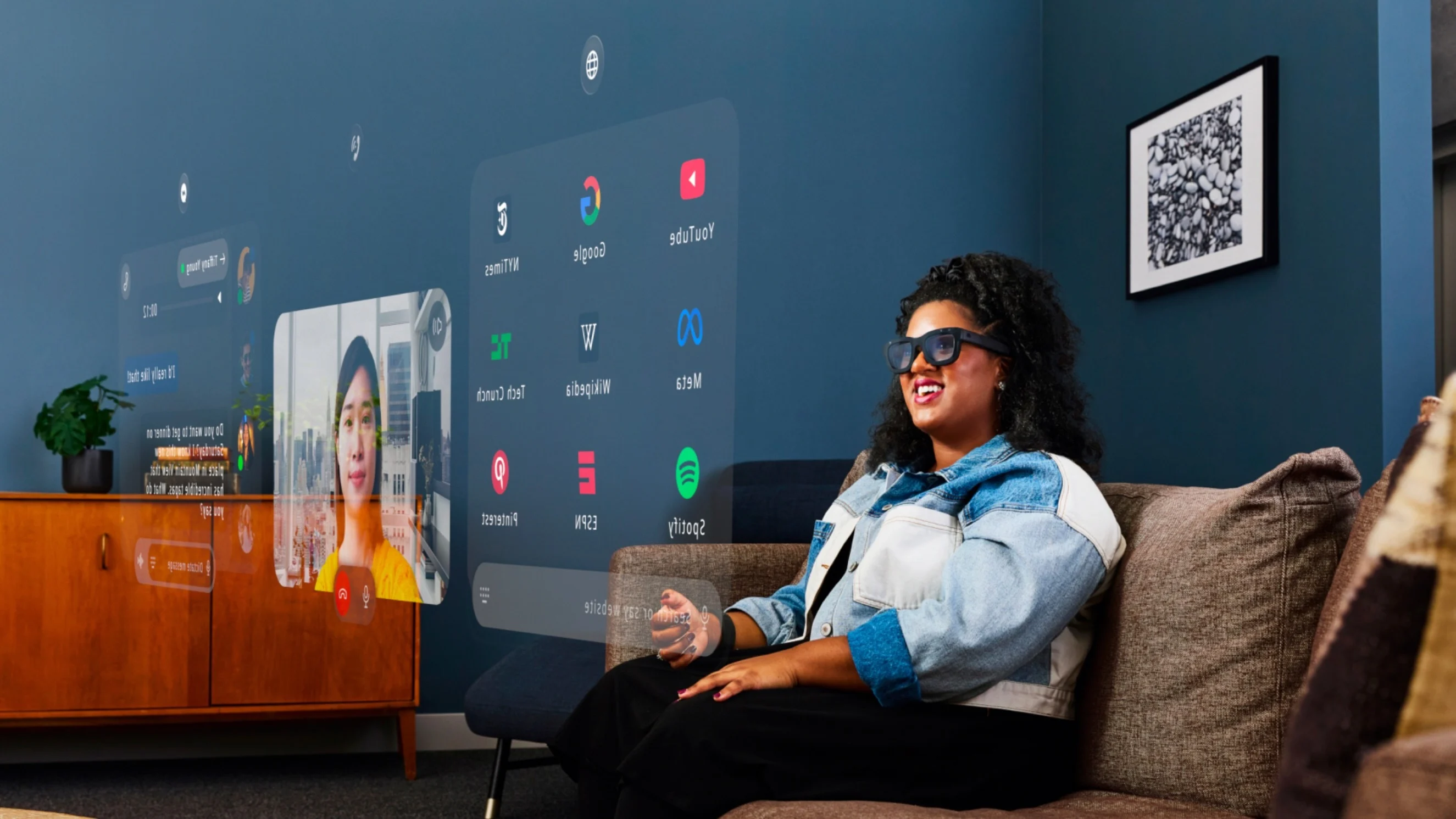
Meta’s Latest Push into the Metaverse
Mark Zuckerberg’s vision of blending digital and physical worlds is becoming more tangible. Meta’s newest products span augmented reality, virtual reality, and artificial intelligence, aiming to make interconnected experiences accessible, useful, and entertaining. From a budget-friendly VR headset to holographic glasses and a celebrity-voiced AI assistant, the company is accelerating its metaverse strategy.
Quest 3S: VR for Everyone
Meta’s Quest 3S refreshes the VR headset lineup with a lower price point, hoping to attract users who previously found the technology too expensive. Key upgrades include higher-resolution displays, improved ergonomics, and longer battery life. These enhancements are designed to deliver more immersive gaming, social interactions, and productivity tools.
Holographic Glasses: Augmented Reality Without Bulk
Meta unveiled a prototype that embeds holographic technology directly into spectacle lenses. This could make augmented reality a seamless daily companion—overlaying digital data onto the real world without requiring bulky headsets. Potential applications include real-time language translation and assistance for visually impaired users. Meta has partnered with Be My Eyes to explore such inclusive features.
Meta AI Gains Celebrity Voices and Massive Adoption
Meta’s AI assistant now offers voice options from celebrities like Awkwafina, John Cena, and Dame Judi Dench, aiming to make interactions more engaging across Instagram, WhatsApp, Messenger, and Facebook. Over 400 million people have used Meta AI, with nearly 200 million returning each week, highlighting the growing role of AI in daily communication.
Smart Glasses: Fashion Meets Function
Meta’s collaboration with EssilorLuxottica, the world’s largest eyewear maker, is central to its smart glasses strategy. The latest smart glasses include live translation and AI-driven audio descriptions for visually impaired users, bridging style and practical technology.
Project Orion: A Smartphone Alternative
Project Orion represents Meta’s boldest hardware bet. Unlike existing Ray-Ban Stories, these glasses embed digital tech into the lenses, offering a hands-free, voice-controlled interface that could eventually replace the smartphone. Zuckerberg envisions Orion as the primary digital interface, enabling virtual conversations and gesture-based app control.
Challenges: Adoption and User Skepticism
Despite impressive demos, consumer adoption of advanced wearables remains slow. Many users are cautious about integrating such devices into daily life. Meta must perfect the hardware and demonstrate real value. The company recently shut down a celebrity chatbot feature that failed to gain traction, learning that even exciting concepts can flop if they don’t meet genuine user needs.
Conclusion: Building the Future
Meta’s latest product blitz reaffirms its commitment to a metaverse where digital and physical realities merge. Technical and social challenges remain, but the potential rewards—a more connected, efficient, and immersive world—drive the company forward. With Quest 3S, holographic glasses, smarter AI, and Project Orion, Meta is laying the foundation for a future that may soon feel ordinary.