Your Complete Guide to Affordable Electric Vehicles: Costs, Charging & Benefits
Discover how electric vehicles have become affordable. Learn about costs, savings, environmental impact, charging options, and tips for choosing the right EV.
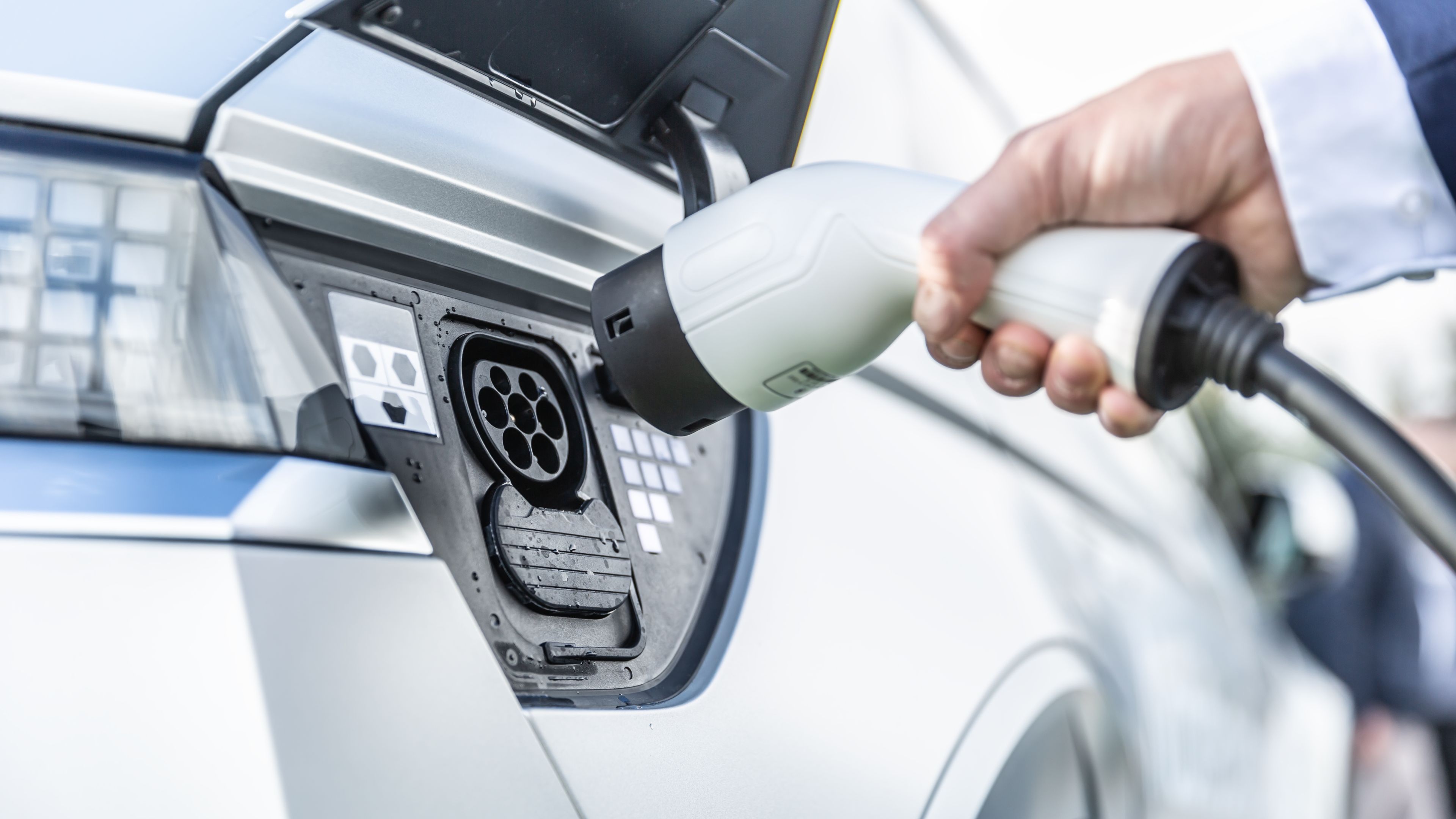
Why EVs Are Now Affordable
Once considered luxury items, electric vehicles have entered the mainstream. Advances in battery technology, a more than 80% drop in battery costs over the past decade, and fierce competition among automakers have driven prices down. Entry-level models from Chevrolet, Nissan, and Hyundai now cost less than many gasoline cars, especially after federal tax credits and state rebates.
Total Cost of Ownership: Savings Over Time
The upfront price is just the start. Charging at home during off-peak hours costs significantly less per mile than gasoline. EVs also require less maintenance—no oil changes, fewer brake replacements, and no timing belts. Over five years, total ownership costs can be thousands lower than a comparable gas car, making EVs a smart financial decision.
Environmental Benefits
EVs produce zero tailpipe emissions, improving urban air quality. Even when charged on a fossil-fuel-heavy grid, they convert over 77% of energy to motion versus 20-30% for gas engines. As renewable energy grows, life-cycle emissions drop further. Choosing an EV cuts greenhouse gases and reduces dependence on oil.
Charging Infrastructure Evolved
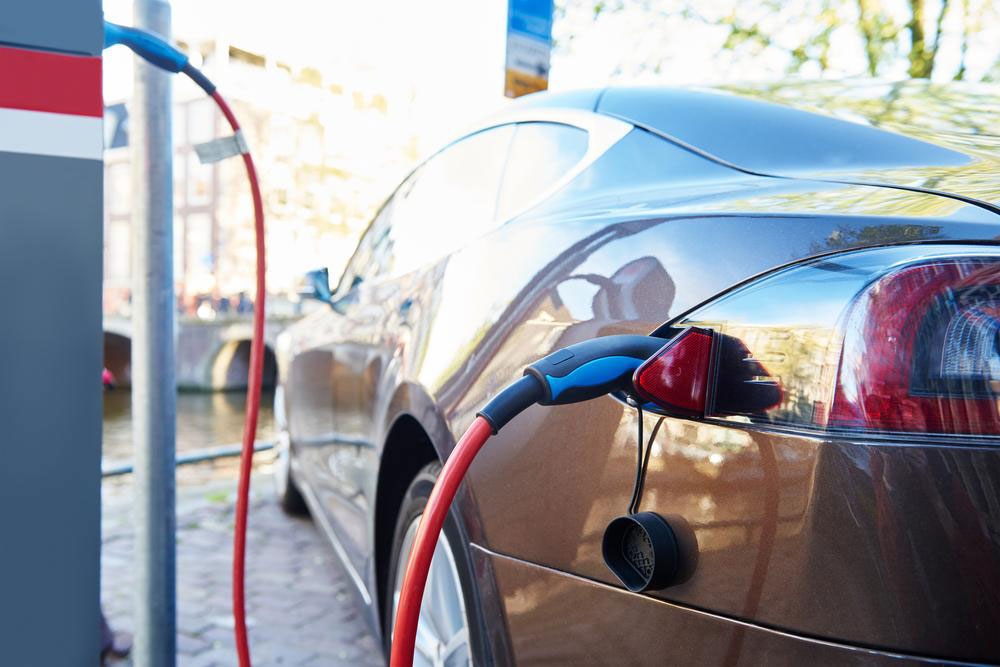
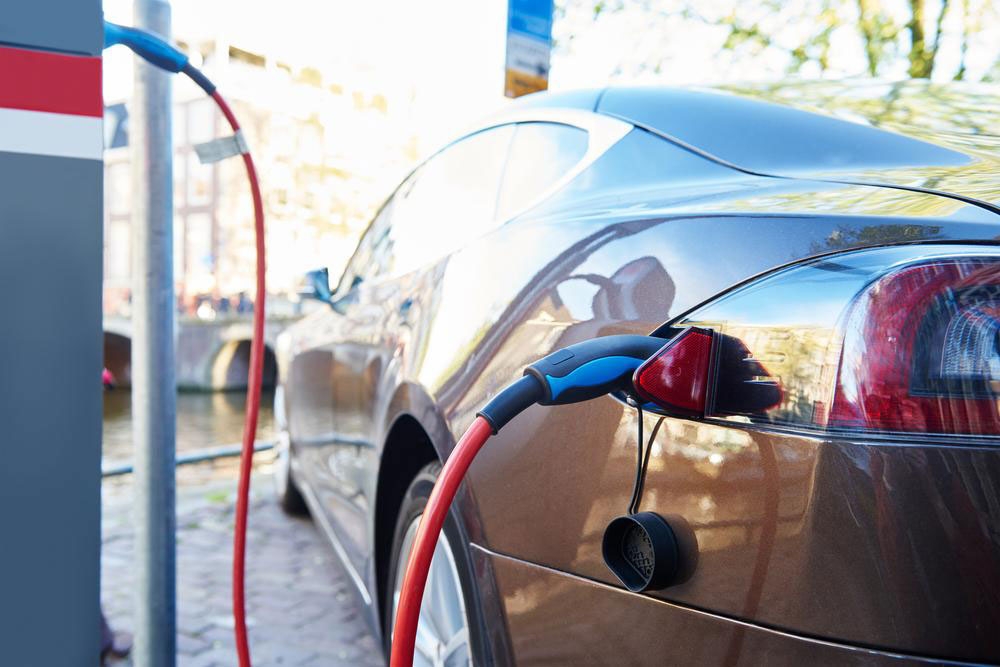
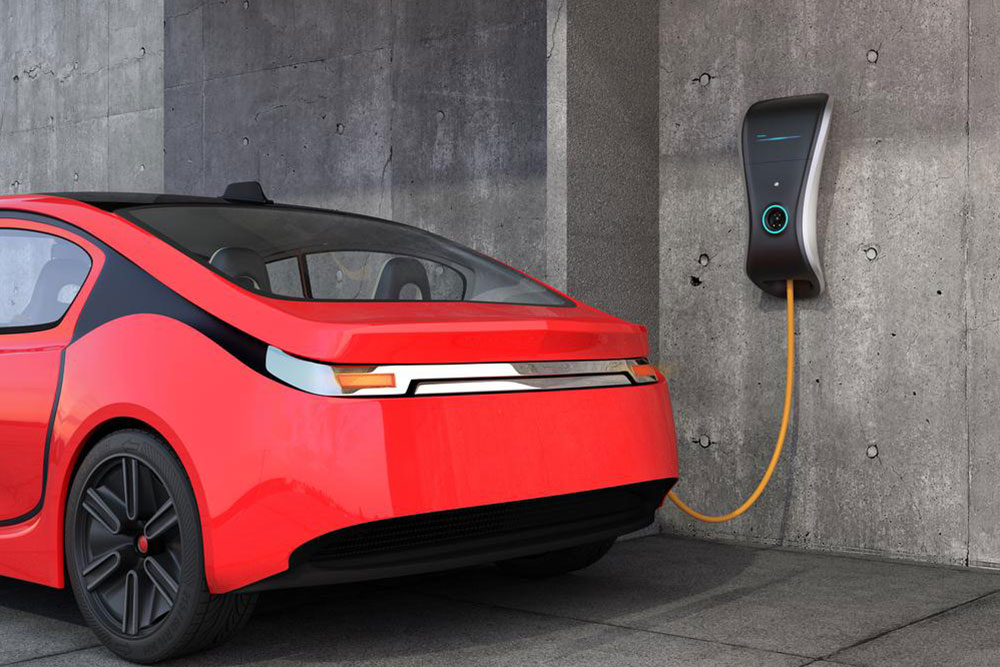
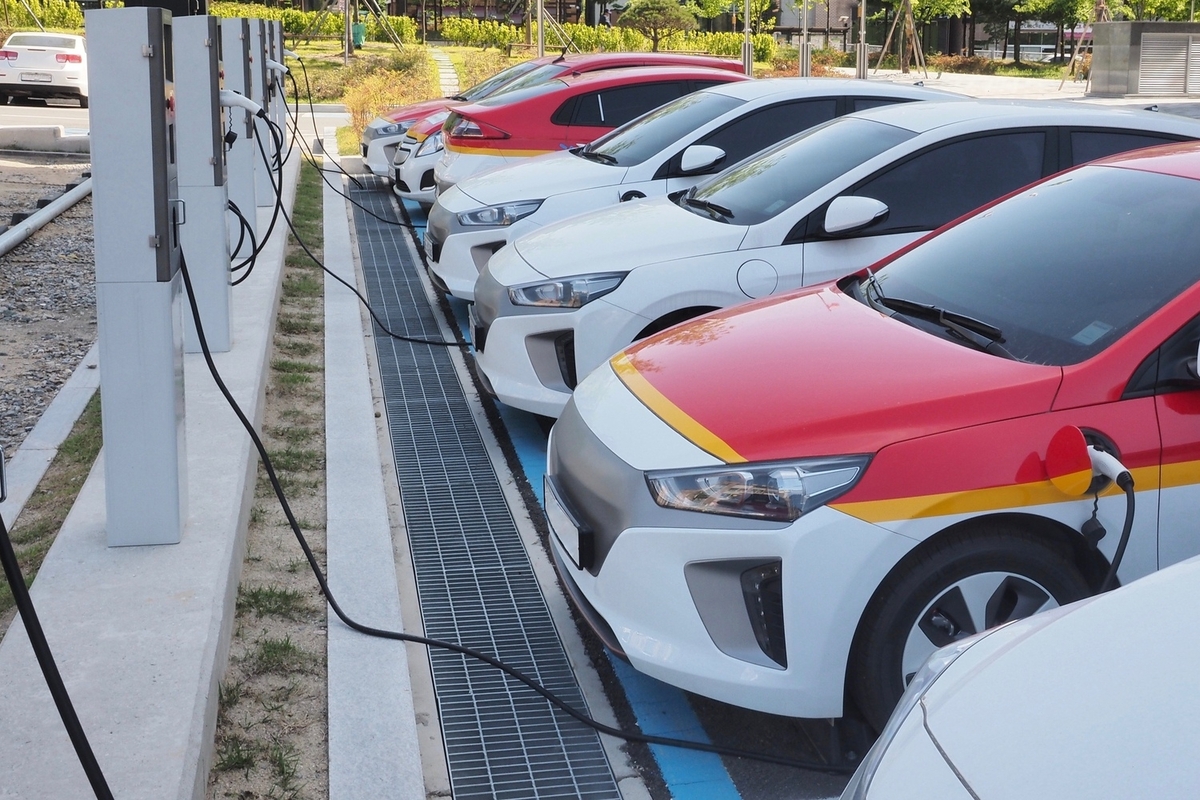
Range anxiety is fading. The industry is adopting the NACS connector standard in North America, simplifying access. High-speed chargers add 200 miles in 20–30 minutes. Public chargers are now common at malls, restaurants, and rest stops. Home Level 2 charging provides a full overnight charge at low cost. Smart charging and vehicle-to-grid (V2G) technology even allow selling energy back to the grid.
Choosing Your Ideal EV
Consider your driving habits, budget, and lifestyle. Most new EVs offer 200–400 miles of range, with battery warranties of 8 years/100,000 miles. Compact cars like the Chevrolet Bolt are great for city driving, while SUVs like the Ford Mustang Mach-E or Tesla Model Y offer family space. Don't overlook used EVs—they are increasingly affordable and often still under warranty. Check total cost of ownership including insurance and electricity rates, and test drive multiple models.
Questions and Answers
What electric car models are expected in 2026? Major brands like Tesla, Ford, and Volkswagen plan upgraded models with better batteries and longer range. New players may launch affordable compact EVs and luxury SUVs tailored to specific niches.
How can I find an affordable EV? Start by researching federal and state incentives. Look at budget-friendly brands like Nissan (Leaf), Hyundai (Kona Electric), or Chevrolet (Bolt). Also consider certified pre-owned EVs, which offer lower prices and often include remaining battery warranty.
What are tips for efficient charging? Install a home Level 2 charger for daily use. Charge during off-peak hours (typically late night) to save money. Avoid frequent DC fast charging to prolong battery life; aim to keep the battery between 20% and 80% for daily driving.
Which electric models are currently top-rated? The Tesla Model 3 stands out for range and performance. The Ford Mustang Mach-E and Hyundai Ioniq 5 are praised for design and value. Luxury options like the Porsche Taycan and Audi e-tron offer superior craftsmanship and driving dynamics.
What are the main environmental benefits of EVs? They produce zero tailpipe emissions, reducing smog and greenhouse gases. As grids adopt more renewables, life-cycle emissions drop even further. EVs also cut oil dependence and foster cleaner air in cities.