Trade Finance in Global Commerce: Tools, Risks, and Future Trends
Explore trade finance instruments: letters of credit, export insurance, supply chain finance, and their role in global trade.
Why Trade Finance Matters in Global Commerce
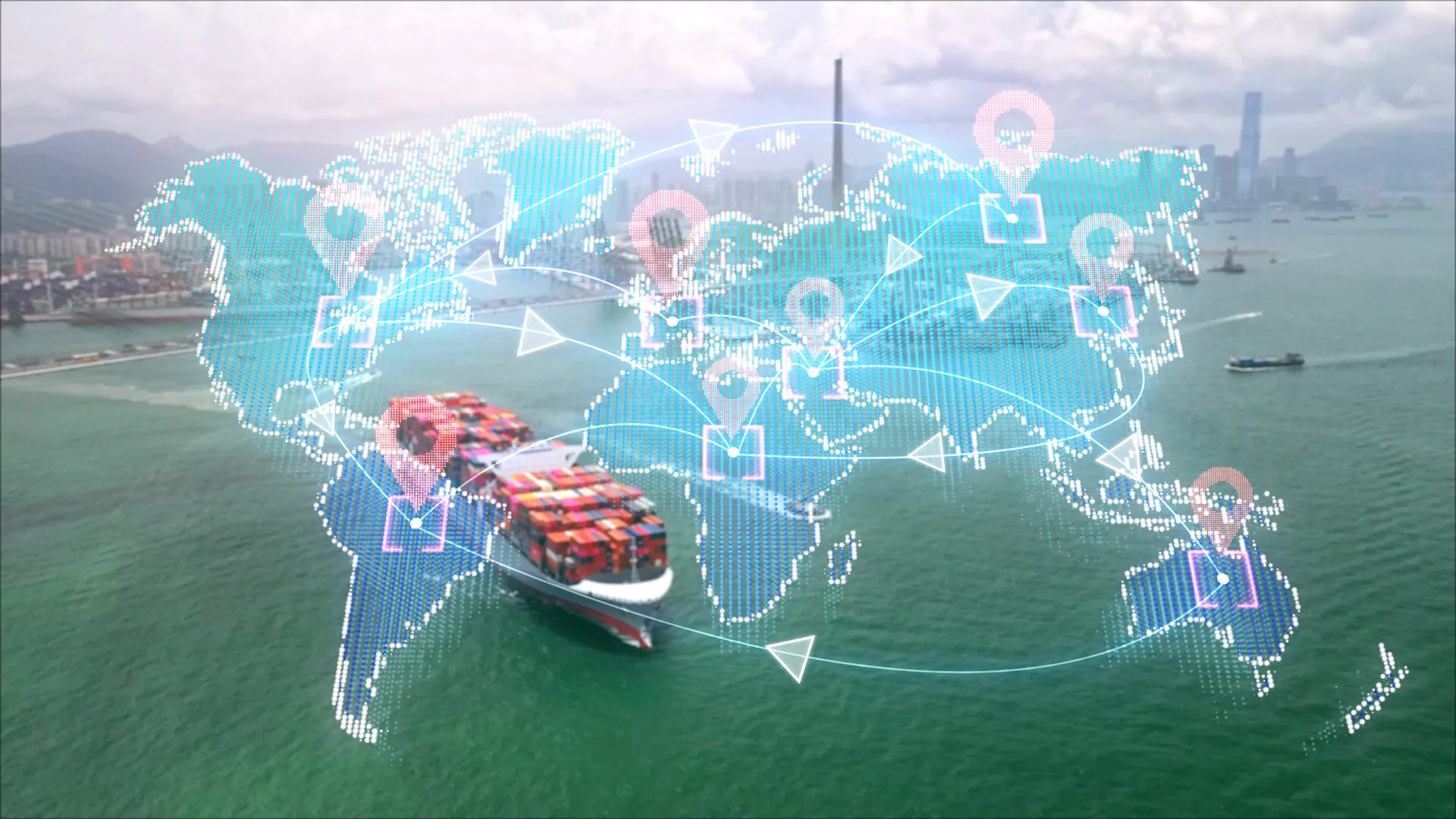
Trade finance provides the financial backbone for international trade, enabling buyers and sellers to transact securely across borders. It involves a network of banks, insurers, and regulatory bodies that deploy instruments to reduce risks, improve cash flow, and build trust. This article delves into the core instruments, risk management approaches, and innovations driving the trade finance sector forward.
The Core Instruments of Trade Finance
Letters of Credit (LCs)
Letters of credit are bank guarantees that ensure sellers receive payment once they meet specified delivery terms. Governed by UCP 600 and Incoterms 2020, LCs mitigate buyer credit risk and political uncertainties.
Supply Chain Finance Platforms
These platforms allow suppliers to receive early payment, improving liquidity. They operate under Basel III regulations and local banking rules, helping smaller players compete.
Export Credit Insurance
Export credit insurance protects sellers against non-payment due to commercial or political risks, following OECD Arrangement guidelines. It is essential for entering high-risk markets.
Multi-Currency Payment Systems
These systems enable transactions in various currencies while managing foreign exchange volatility. They rely on SWIFT and central bank regulations for smooth settlements.
Marine Cargo Insurance
Covering loss or damage during transit, marine cargo insurance follows Institute Cargo Clauses and national maritime laws. It addresses risks like natural disasters, piracy, and accidents.
Trade Compliance Services
Ensuring adherence to sanctions, customs, and export controls under WTO rules and national authorities is critical for any international transaction.
Managing Risks in Global Trade
Economic, Political, and Currency Risks
Inflation, debt crises, political instability, and currency fluctuations can disrupt trade. Mitigation tools include export credit insurance, hedging strategies, and careful selection of trading partners.
Logistical and Physical Risks
Cargo damage, theft, piracy, and natural disasters are managed through marine cargo insurance and diversification of supply sources. Adapting trade agreements also helps buffer against disruptions.
Innovations Shaping the Future of Trade Finance
Digital Transformation and Blockchain
Digital platforms automate LC processing and compliance checks, reducing errors and speeding up transactions. Blockchain provides immutable records, enhancing transparency and fraud prevention.
Fintech and SME Access
Fintech companies use data-driven risk assessment to offer trade finance to small and medium enterprises, leveling the playing field and broadening access.
Sustainable Financing
Green trade finance initiatives offer favorable terms for eco-friendly practices, aligning financial goals with environmental sustainability.
Frequently Asked Questions
What role do Letters of Credit play?
LCs act as bank guarantees ensuring seller payment upon meeting delivery conditions, mitigating buyer credit and political risks.
How do regulations impact supply chain payments?
Regulations set the legal framework for anti-money laundering, sanctions, and customs; compliance is essential for smooth cross-border payments.
What are typical export risks and how to manage them?
Risks include currency fluctuations, non-payment, political instability. Use export credit insurance and hedging to mitigate.
Why is maritime insurance important?
It protects goods against loss or damage during sea transit, covering natural disasters, piracy, and accidents.
What is the significance of currency settlement?
Currency settlement converts one currency to another, impacting final costs. Hedging locks exchange rates for stability.