Top Car Safety Systems: AEB, Lane Assist, Teen Driver Tech and More
Explore modern car safety features: automatic braking, lane assist, teen systems, and post-crash response. How they protect you.
Modern Vehicle Safety: An Integrated Approach
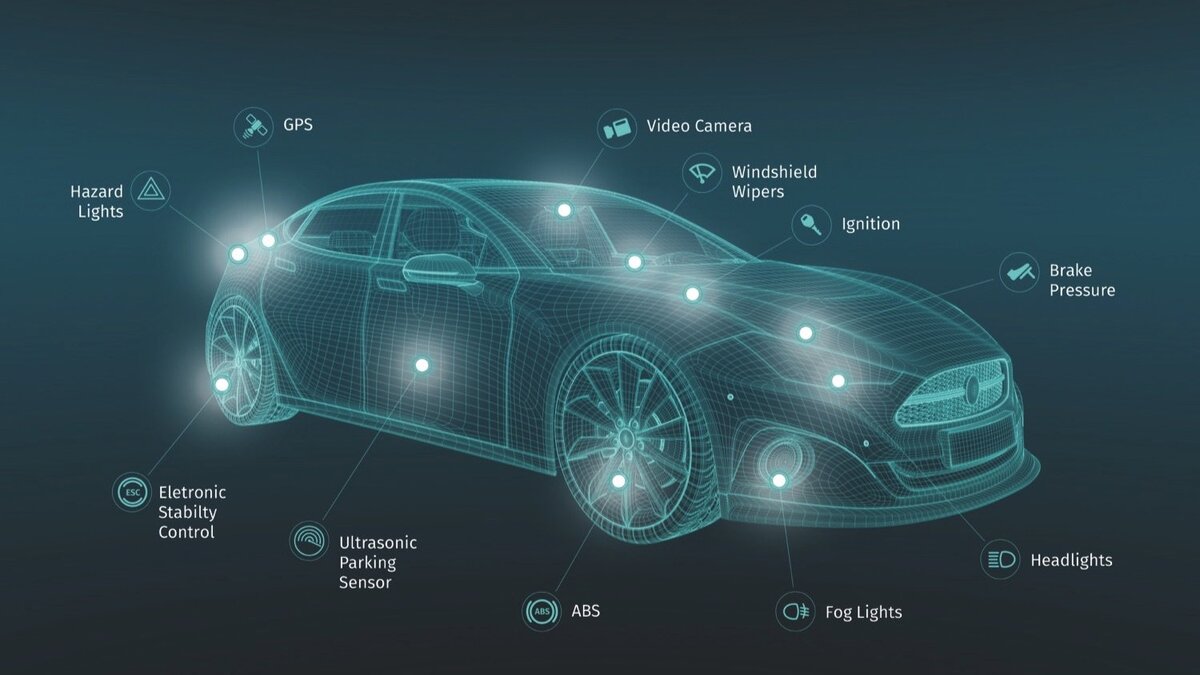
Today's cars are equipped with a sophisticated suite of intelligent systems designed to prevent accidents and protect everyone inside and outside the vehicle. From proactive collision avoidance to emergency response after a crash, these technologies work together to create a comprehensive safety net. This article breaks down the key innovations that are transforming road safety.
Active Safety Technologies That Prevent Accidents
Automatic Emergency Braking (AEB)
Using radar and cameras, AEB detects potential collisions and automatically applies brakes if the driver doesn't react in time. Many systems now also recognize pedestrians and cyclists, making them especially effective in urban areas.
Lane Keeping Assist and Departure Warning
Lane Departure Warning (LDW) alerts drivers when the vehicle drifts from its lane. Lane Keeping Assist (LKA) goes further by gently steering the car back, significantly reducing the risk of sideswipes and road departure accidents on long highways.
Adaptive Cruise Control (ACC)
ACC automatically adjusts speed to maintain a safe distance from the vehicle ahead, reducing driver fatigue and improving reaction times in heavy traffic.
Blind Spot Monitoring and Rear Cross-Traffic Alert
Blind Spot Monitoring (BSM) warns of vehicles in adjacent lanes, while Rear Cross-Traffic Alert (RCTA) detects approaching cars when reversing. Together they provide nearly 360-degree awareness.
Adaptive Headlights and Automatic High Beams
Adaptive headlights pivot with steering to illuminate curves, and automatic high beams adjust based on oncoming traffic, optimizing nighttime visibility.
Electronic Stability Control (ESC)
ESC monitors vehicle movement and applies brakes to individual wheels during skids or loss of traction, helping maintain control on slippery roads.
Occupant Protection and Driver Monitoring
Driver Monitoring Systems
Cameras track eye movement and facial cues to detect drowsiness or distraction, alerting the driver before a potential incident.
Advanced Restraint Systems
Modern vehicles feature improved airbag designs and restraint systems for all seats, not just the front. Rear-seat safety has seen significant enhancements.
Specialized Systems for Teens, Pedestrians, and Post-Crash
Teen Driver Systems
Manufacturers offer systems that let parents set speed and audio limits, receive real-time driving reports, and enable safety features like lane keeping and adaptive high beams. Combined with drowsiness detection, these help inexperienced drivers build confidence safely.
Pedestrian Detection
Pedestrian detection systems protect vulnerable road users and encourage new drivers to stay aware of their surroundings.
Post-Crash Response
After an accident, vehicles can automatically place SOS calls and share GPS coordinates with emergency services, reducing response time and potentially saving lives.
Connected Data and Infrastructure
Anonymized data shared via telematics helps authorities identify hazardous locations—such as dangerous intersections or frequent accident spots—leading to infrastructure improvements that benefit the whole community.
How to Evaluate Vehicle Safety: Ratings and Tests
When shopping for a safe car, refer to ratings from the National Highway Traffic Safety Administration (NHTSA) and the Insurance Institute for Highway Safety (IIHS). NHTSA offers a 5-star rating based on crash tests, while IIHS rates crashworthiness from "Poor" to "Good" and evaluates crash prevention technology. High scores in frontal, side, and rollover tests, along with advanced driver assistance features, indicate a well-protected vehicle.