Women's Health: Hormones, Nutrition, and Body Awareness Guide
Explore how hormones, nutrition, and body awareness shape women's health. Learn about menopause, diet, stress management, and more.
Understanding Hormones Across a Woman's Life
Hormones act as chemical messengers that control energy, reproduction, and overall well-being. Their dynamic nature means women experience distinct phases: puberty, reproductive years, pregnancy, and menopause. Each stage brings unique challenges and opportunities. Menopause, once seen as an endpoint, is now recognized as a transformative phase. Symptoms like hot flashes and sleep disturbances signal deeper changes. A holistic approach—integrating lifestyle adjustments, therapies, and open dialogue with healthcare providers—can greatly improve quality of life.
Empowered Menopause Management
Modern menopause care has moved beyond one-size-fits-all thinking. Hormone replacement therapy (HRT) is no longer considered uniformly risky. Personalized treatment based on current research can offer symptom relief and additional benefits like improved bone health and reduced chronic disease risk, especially when started within ten years of menopause onset. This precision medicine approach enables informed, confident decisions.
Stress and Hormonal Balance
Chronic stress elevates cortisol levels, disrupting communication along the brain-ovary axis and affecting reproductive health. Stress management through mindfulness, regular exercise, and adequate sleep is essential for maintaining hormonal health. Recognizing stress as a legitimate factor highlights the interplay between body and environment.
Health Challenges and Hormonal Resilience
Conditions like breast cancer and their treatments can induce sudden hormonal shifts, leading to medically-induced menopause. Comprehensive care must address both physical and emotional recovery, including conversations about sexual health and intimacy. Survivorship care is evolving to encompass holistic well-being.
Nutrition: The Foundation for Hormonal Harmony
Diet directly influences hormonal balance. Every meal choice affects the intricate symphony of hormones.
Macronutrients for Balance
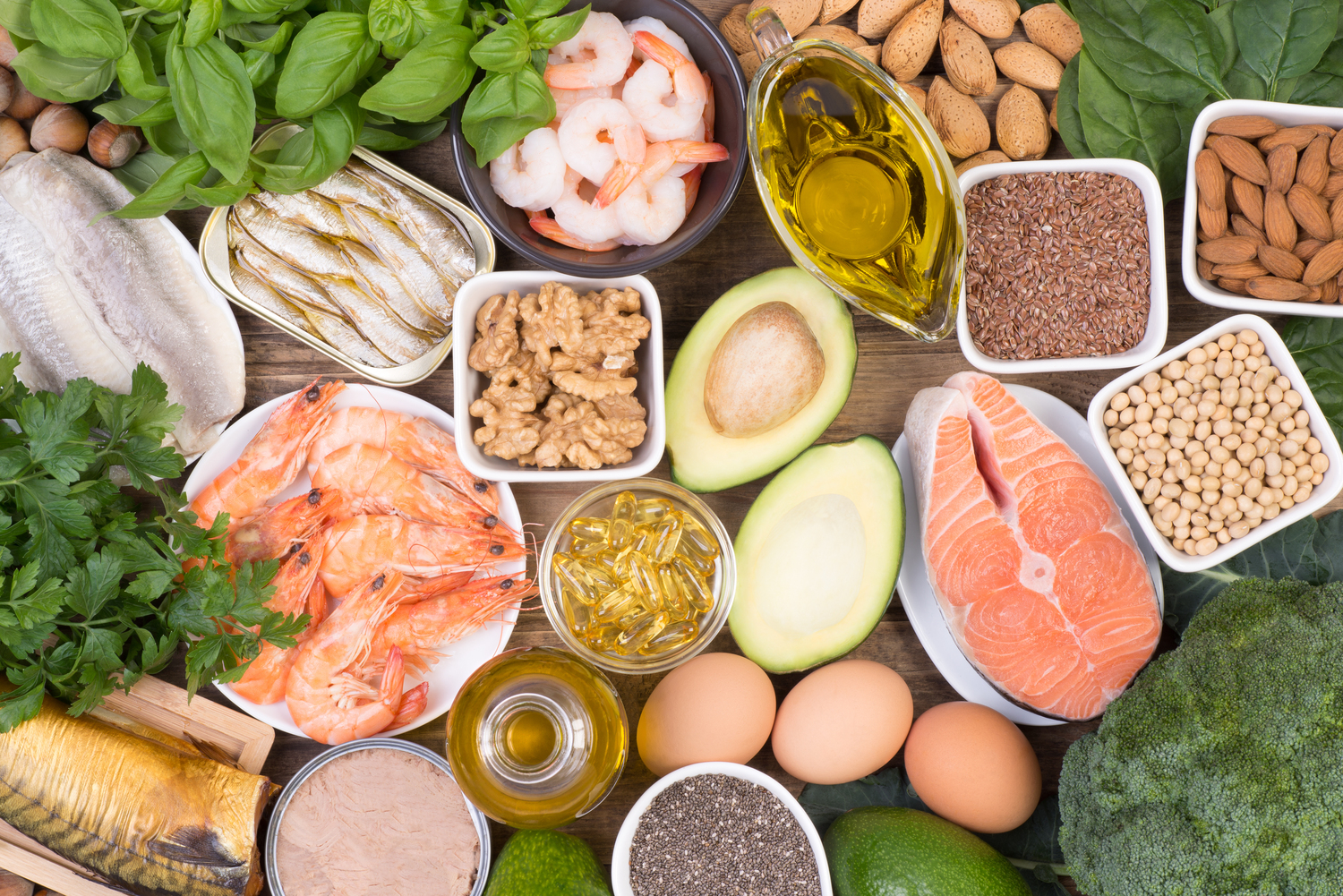
Proteins aid hormone production and stabilize blood sugar. Healthy fats, especially omega-3s, are vital for steroid hormone synthesis and cell communication. Carbohydrates—particularly fiber-rich ones—regulate insulin and provide sustained energy. Selecting balanced macronutrients is key.
Key Micronutrients for Hormonal Health
B vitamins support hormone detoxification. Magnesium helps regulate cortisol. Zinc influences ovulation and receptor function. Vitamin D impacts mood and immune function. A diverse diet rich in these micronutrients supports overall well-being.
Gut Health and Hormones
The gut microbiome plays a critical role in metabolizing estrogen via the estrobolome. A healthy gut ensures proper hormone breakdown and elimination. Dysbiosis can lead to excess estrogen symptoms. Prebiotic and probiotic foods like onions, bananas, and fermented items support a thriving gut environment.
Adapting Nutrition Across Life Stages
Nutritional needs change: iron and antioxidants during reproductive years, calcium and vitamin D in menopause, and phytoestrogen-rich foods for symptom relief. Tailoring diet to each stage enhances health and vitality.
Body Awareness: Listening to Your Signals
True wellness combines science with self-awareness. Recognizing patterns in the body's messages empowers proactive health management.
The Menstrual Cycle as a Health Barometer
Tracking menstrual cycles offers insights beyond reproduction. Each phase affects mood, energy, and physiology. Identifying patterns can signal imbalances, allowing for timely adjustments in lifestyle or medical care.
Recognizing Signs of Hormonal Imbalance
Unique signals like fatigue, mood swings, skin changes, or irregular cycles may indicate hormonal disturbances. Early recognition and consultation encourage preventive care.
The Mind-Body Connection
Mental health and hormonal balance are interdependent. Stress management, quality sleep, and healthy lifestyle habits positively affect the endocrine system. Practices like mindfulness, consistent sleep routines, and exercise reinforce resilience.
Frequently Asked Questions
What is the importance of pelvic floor health, and how can it be maintained?
Pelvic floor health supports bladder and bowel control and pelvic organ support. Maintain it with Kegel exercises, healthy weight, avoiding heavy lifting, proper hydration, and a balanced diet.
How can menopause symptoms be effectively managed?
Management includes lifestyle changes (exercise, diet rich in calcium and vitamin D), stress reduction (yoga, meditation), and possibly hormone replacement therapy after consulting a healthcare provider about risks and benefits.
Why is endometriosis awareness important, and what are common signs?
Awareness leads to earlier diagnosis and treatment. Common signs: chronic pelvic pain, painful periods, pain during intercourse, and infertility.
What are key challenges in managing PCOS, and what strategies help?
Challenges include hormonal imbalance, weight, and fertility. Strategies: low-refined-carb diet, regular exercise, weight management, hormonal contraceptives for cycle regulation, and medications for insulin resistance or fertility.
How does the hormonal microbiome impact women’s health?
The hormonal microbiome (microorganisms influenced by hormones) affects mood, weight, and immunity. Support it with fiber, probiotics, prebiotics, avoiding unnecessary antibiotics, regular exercise, and stress management.
What nutritional considerations are important during perimenopause?
Increase calcium and vitamin D for bone health, incorporate phytoestrogen-rich foods (soy), eat plenty of fruits, vegetables, whole grains, limit caffeine and alcohol. Consult a nutritionist for personalized advice.