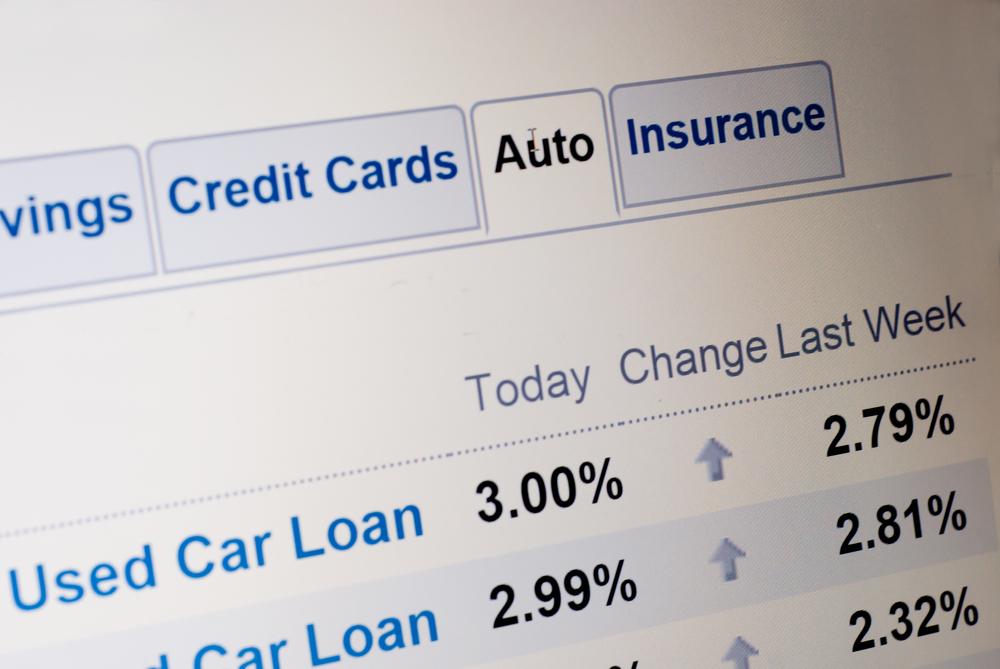
Car Financing Guide: Rates, Credit Tips & First-Time Buyer Strategies
Learn how first-time buyers can navigate car financing—from credit scores to loan offers and negotiation tactics.

Getting Started with Car Financing
Before you step onto a dealership lot, know where you stand financially. Lenders weigh your credit score and debt-to-income (DTI) ratio heavily. A higher credit score usually unlocks lower interest rates, while a low DTI signals you have room in your budget for a new payment. Begin by pulling your credit report—correct any errors, pay bills on time, and keep credit card balances under 30% of your limit. Small improvements can make a big difference in the rates you receive.
Preparing Your Loan Application
Once your finances are in order, gather the documents lenders require: recent pay stubs, utility bills, bank statements, and a valid driver’s license. Set a realistic budget that covers not just the monthly loan payment but also insurance, fuel, and maintenance. Online calculators let you compare different car prices and loan terms before you visit any dealer. Many lenders offer a soft credit pull for pre-qualification, showing potential rates without harming your score.
Comparing and Evaluating Loan Offers
When lenders present financing offers, look beyond the monthly payment. Focus on the Annual Percentage Rate (APR)—it captures the true cost of borrowing, including interest and fees. A lower APR saves you money over the life of the loan. Also consider loan term length: shorter terms (36–48 months) come with higher monthly payments but far less total interest, while longer terms (72–84 months) reduce monthly payments but increase overall cost. Beware of flashy promotions like 0% APR, which often come with strict conditions. The optimal deal balances an affordable monthly payment with minimal total interest.
Negotiating with Confidence
Negotiation is your best tool for a great deal. Start by getting pre‑approved from a bank or credit union to establish a benchmark rate. At the dealership, negotiate the car’s price separately from financing—never let the dealer combine them. Avoid discussing monthly payments until you have locked in the vehicle price. Use your pre‑approved offer as leverage to either match or beat the dealer’s terms. If the deal doesn’t feel right, be ready to walk away. You have the power to compare multiple offers and pick the one that works best for you.
Emerging Trends in Car Financing
The auto financing landscape is evolving. Flexible payment models, such as installment plans that adapt to income changes, are becoming more common. Lenders now also consider alternative credit data—like rental and utility payments—making loans accessible for buyers with thin credit files. The used car market offers excellent value, particularly certified pre‑owned vehicles that combine lower prices with reliable quality. Digital tools let you pre‑qualify, compare rates, and manage loans entirely online, giving you greater control and transparency throughout the process.
Frequently Asked Questions
What are the key differences between an auto loan and a lease for a first‑time buyer? An auto loan means you own the car after full payment, with no mileage limits but higher monthly costs. A lease offers lower payments but restricts mileage and requires returning the car at lease end. Choose based on your long‑term needs and driving habits.
How can first‑time buyers improve their credit scores? Pay all bills on time, reduce debt, keep credit card balances low, and check your credit report for errors. Maintaining older accounts and using new credit responsibly also help build a strong score.
What should first‑time buyers look for in financing deals? Seek low interest rates, flexible terms, no prepayment penalties, and reasonable down payment requirements. Compare offers from banks, credit unions, and dealerships to find the best combination.
How are car financing rates determined? Rates depend on your credit score, loan term, vehicle age, and market conditions. A higher score and shorter term typically result in lower APR. Used cars often have slightly higher rates than new ones.
What strategies help first‑time buyers finance effectively? Save for a larger down payment, shop around for rates, understand total ownership costs, and consider pre‑approval. Avoid rolling unnecessary add‑ons into the loan, and focus on total cost rather than just the monthly payment.