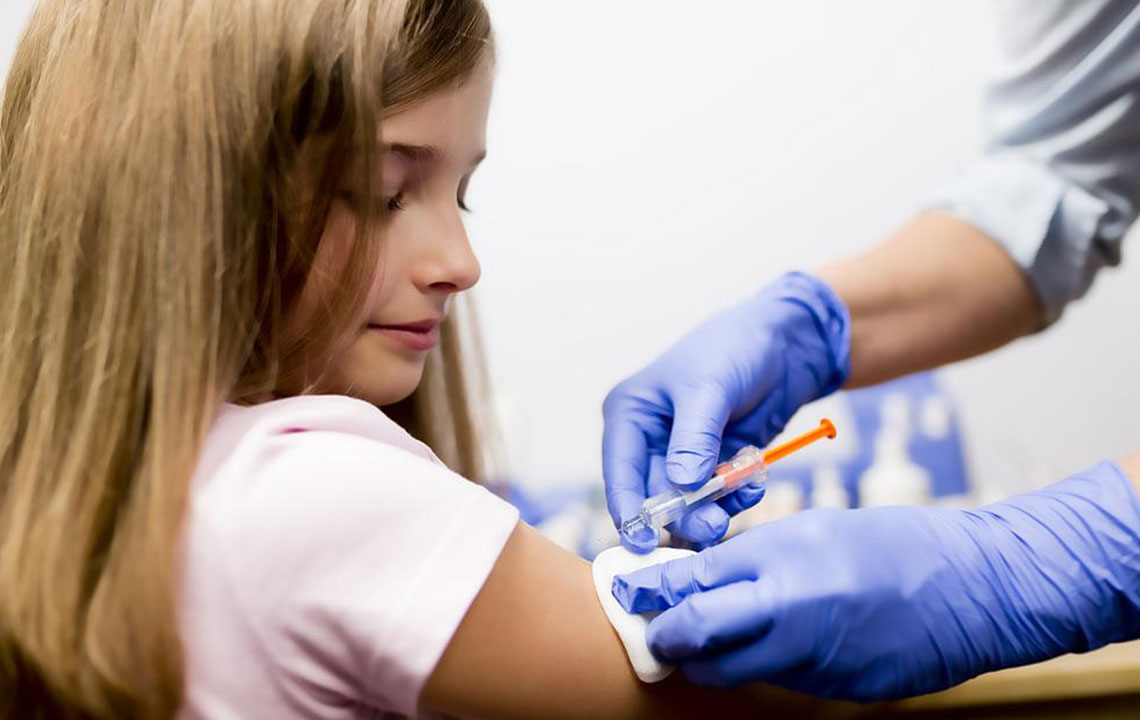
Next-Gen Vaccines: mRNA, Personalized Cancer Shots, and One Health Advances
New vaccine platforms offer precise, adaptable protection against infectious and chronic diseases, with a focus on herd immunity and zoonotic prevention.
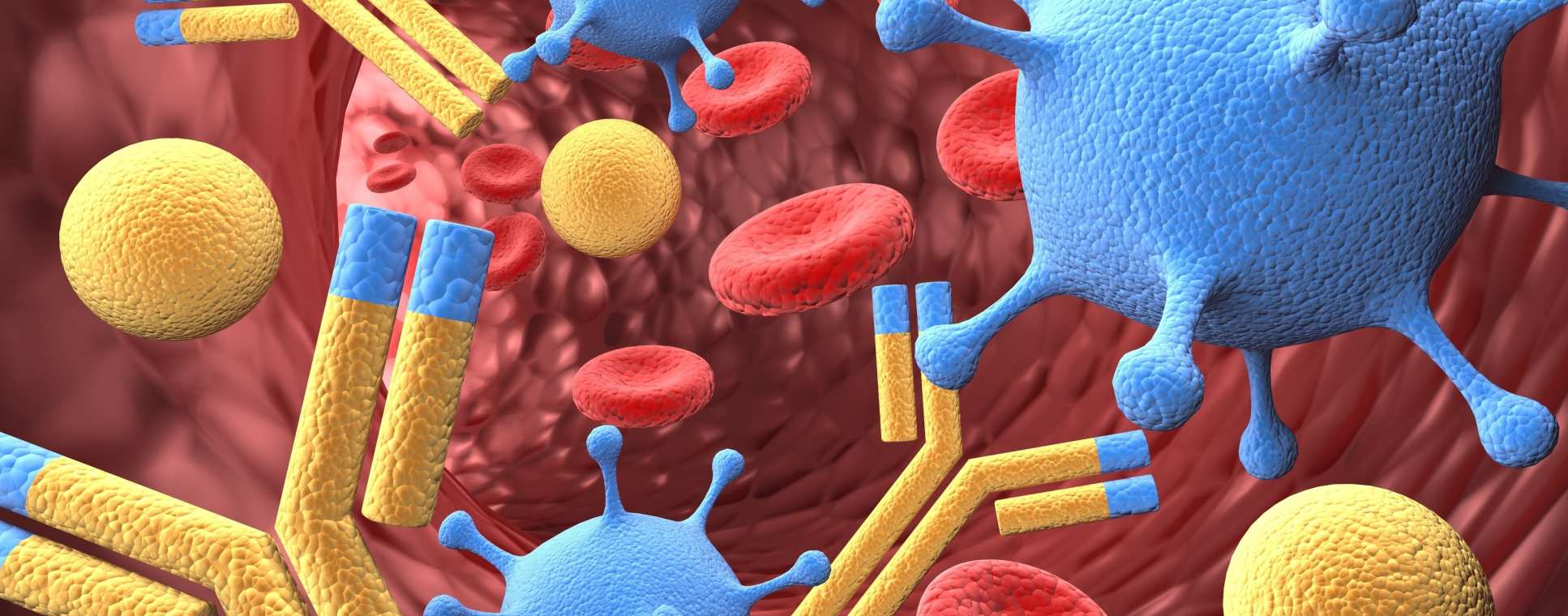
Next-Generation Vaccine Platforms
The core goal of vaccination—priming the immune system to recognize and destroy threats—remains constant, but the tools have evolved dramatically. Modern platforms such as messenger RNA (mRNA) deliver genetic blueprints that instruct cells to produce harmless pathogen fragments, triggering a protective immune response. This technology offers unparalleled flexibility: when a new variant emerges, scientists can update the genetic code within weeks. Self-amplifying mRNA further enhances potency, enabling smaller doses to elicit robust immunity. Targeted delivery systems improve safety by directing the vaccine components to specific immune cells.
Vaccines for Chronic and Complex Diseases
Vaccination now reaches far beyond infectious illnesses. Personalized cancer vaccines analyze a patient's tumor mutations to create a custom immune stimulant, training T cells to identify and destroy malignant cells. For autoimmune disorders like type 1 diabetes, experimental vaccines aim to re-educate the immune system to tolerate self-tissues, potentially reducing lifelong reliance on immunosuppressive drugs. In pioneering research, islet cell transplantation combined with stem cell therapy may restore immune harmony.
One Health: Linking Human, Animal, and Environmental Protection
Human health cannot be isolated from the health of animals and ecosystems. Advanced veterinary vaccines—such as more effective formulations for pigs—prevent costly outbreaks, improve animal welfare, and secure food supplies. This One Health approach reduces the risk of zoonotic diseases spilling into human populations, creating a unified defense against emerging pathogens.
Synergy of Natural and Vaccine-Induced Immunity
Natural infection can confer immunity, but at the risk of severe illness. Vaccines provide a controlled, safer alternative, akin to a fire drill that prepares the body without the danger. When both natural and vaccine-induced immunity coexist, the population gains layered protection. High vaccination coverage generates herd immunity, shielding those who cannot be vaccinated, such as infants and immunocompromised individuals, thereby preventing outbreaks.
Staying Ahead in the Evolutionary Arms Race
Pathogens constantly evolve through antigenic drift (small mutations) and antigenic shift (major genetic reassortment). Vaccine researchers counter this by designing shots that target stable, conserved regions of viruses, making them less susceptible to evasion. Advanced imaging techniques, such as cryo-electron microscopy, provide atomic-level views of viral structures, guiding the creation of broad-spectrum vaccines that remain effective even as the pathogen mutates. Integrating these innovations into public health strategies ensures rapid adaptation to emerging threats and sustained immune resilience.