Hidden Pollution Pathways: From Water and Air Toxins to Regulatory Solutions
Explore how pollution travels through air, water, and ecosystems, the synergy of microplastics and chemicals, and evolving regulations to combat these hazards.
The Interconnected Crisis of Environmental Pollution
Environmental pollution does not exist in isolation. Contaminants move between air, water, soil, and living organisms, creating a complex web of hazards that demands comprehensive understanding. This article examines how pollutants from diverse sources travel and interact, explores the synergy between microplastics and toxic chemicals, and highlights emerging regulatory strategies to curb their impact.
Water Contamination: Beyond the Visible
Pharmaceuticals, Microplastics, and Persistent Organic Pollutants
Surface and groundwater often harbor invisible threats. Pharmaceuticals from healthcare facilities and households pass through wastewater treatment plants, disrupting aquatic ecosystems by altering reproduction and behavior in fish and other organisms. Microplastics, resulting from the degradation of synthetic materials, evade filtration and enter food chains, carrying adsorbed toxins. Persistent organic pollutants (POPs) remain intact for decades, traveling long distances and bioaccumulating across species.
Runoff from Agriculture and Urban Areas
Rainfall washes fertilizers, pesticides, and herbicides into rivers and lakes, triggering algal blooms that deplete oxygen and create dead zones. Urban surfaces contribute oils, heavy metals, and lawn chemicals. These diffuse sources link everyday human activities to widespread water quality degradation.
Airborne Pollutants: Sources and Health Impacts
Fossil Fuel Combustion and Energy Generation
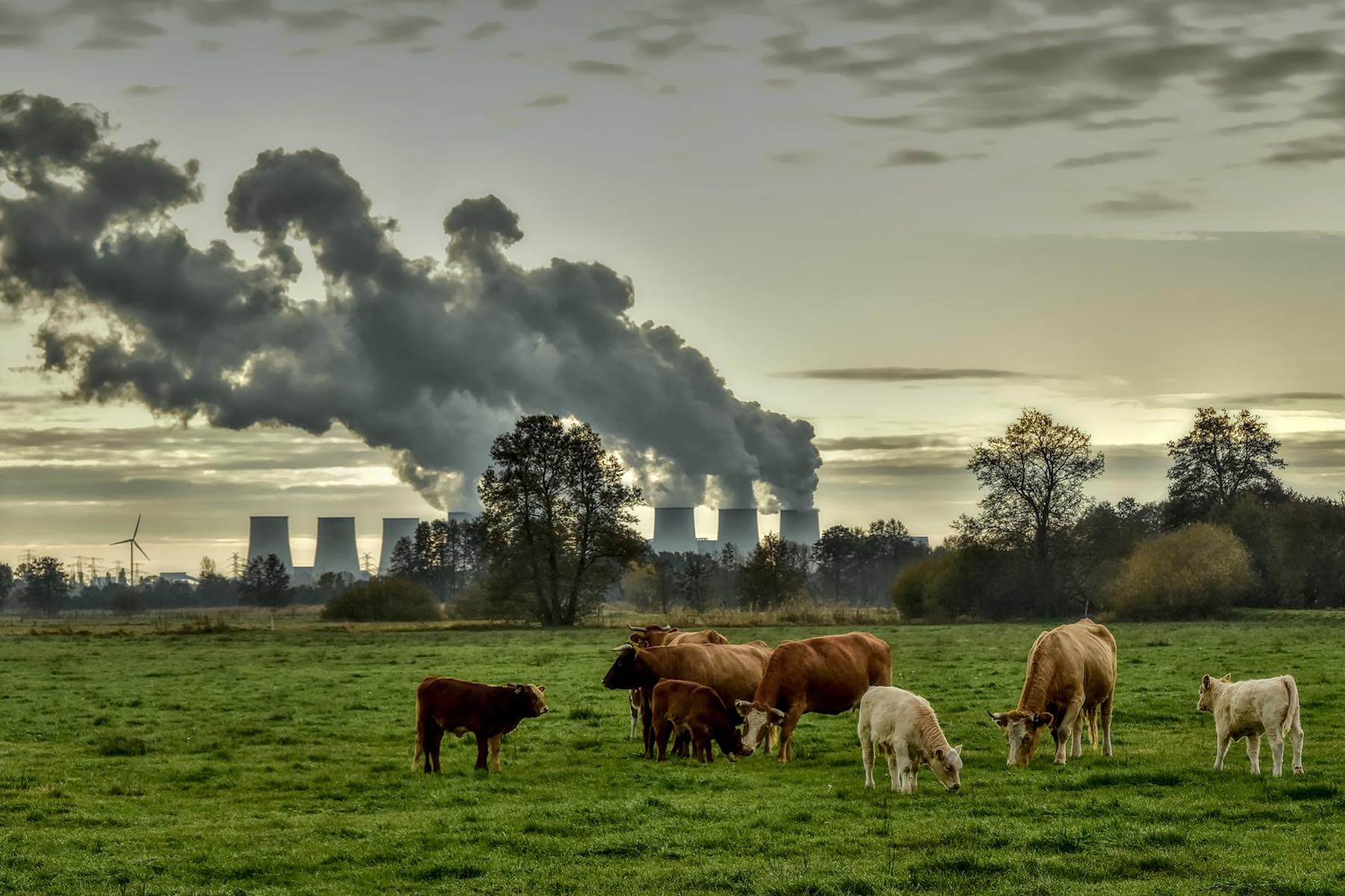
Power plants and industrial facilities burning coal, oil, or natural gas release fine particulate matter, sulfur dioxide, nitrogen oxides, and greenhouse gases. These emissions contribute to respiratory illnesses, cardiovascular disease, and premature mortality. Transitioning to renewable energy and improving efficiency are critical interventions.
Transportation Emissions and Urban Smog
Vehicles produce nitrogen oxides and volatile organic compounds that react in sunlight to form ground-level ozone and smog. Electrification of fleets, expansion of public transit, and compact city design can reduce local exposure while cutting global carbon output.
Atmospheric Deposition into Oceans
Airborne pollutants eventually settle into marine environments, altering ocean chemistry and harming coral reefs and fisheries. Coastal communities face direct consequences, underscoring the need for integrated air-water management policies.
Chemical Risks and Microplastic Synergy
Industrial chemicals, agricultural biocides, and household products accumulate in the environment. Many persist for years, complicating cleanup. Microplastics act as vectors for these chemicals, concentrating pollutants and delivering them into marine food webs. This synergy demands simultaneous action on plastic waste and chemical regulation.
Regulatory Approaches and Corporate Accountability
Mandatory Disclosure and Extended Producer Responsibility
Laws requiring companies to report environmental impacts and take back post-consumer products push industries toward sustainable design and waste reduction. Such measures foster transparency and encourage innovation in materials and processes.
Economic Incentives and Legal Frameworks
Carbon pricing and emissions trading systems internalize pollution costs, motivating cleaner technologies. Environmental legislation evolves alongside scientific understanding, closing loopholes and strengthening enforcement. These tools align economic activity with ecological health.
Common Questions About Environmental Pollution
What are the primary sources of plastic waste, and how does it affect the environment? Plastic waste originates mainly from packaging, single-use items, and discarded products. It contaminates oceans and landfills, entangles wildlife, and breaks into microplastics that infiltrate the food chain.
How do chemical pollutants degrade air quality? Volatile organic compounds and particulate matter from industrial emissions, vehicle exhaust, and solvents contribute to smog formation, respiratory illness, and aggravation of asthma.
What are toxic emissions, and what health effects do they cause? Toxic emissions such as carbon monoxide, sulfur dioxide, and nitrogen oxides result from burning fossil fuels and are linked to cardiovascular disease, lung problems, and increased mortality.
How does water contamination happen, and what are its ecological consequences? Heavy metals, pesticides, and industrial runoff enter water bodies, disrupting aquatic life, reducing biodiversity, and rendering water unsafe for human use and agriculture.
What role do environmental regulations play in pollution control? Regulations set emission limits, mandate waste management practices, and promote cleaner production, protecting public health and ecosystems while encouraging sustainable innovation.
Effective pollution control requires recognizing the interwoven nature of hazards across media. Coordinated action—from individual choices to international treaties—is essential to protect both human health and the planet.