Ride-Sharing Success: Boost Earnings, Safety Tips, and Compliance Guide
Learn how to boost earnings, ensure safety, and stay compliant as a ride-share driver. Covers communication, maintenance, finances, and routes.
Introduction
Ride-sharing offers flexibility and income, but success depends on more than just driving. This guide covers communication, vehicle care, financial management, route strategy, and common questions to help you maximize earnings, ensure safety, and stay compliant.
Mastering Communication with Passengers
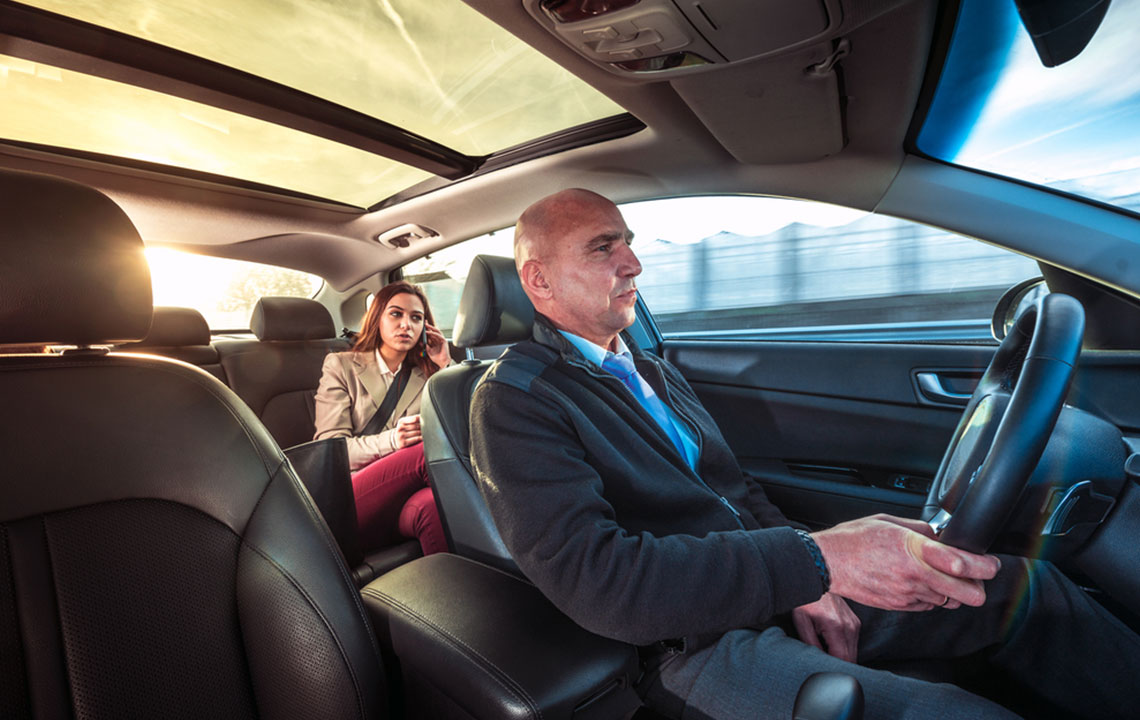
Effective driver-passenger communication can transform a routine trip into a positive experience. Start with a warm yet professional greeting, confirm the passenger's name and destination, and read their cues—if they prefer quiet, respect that; if they engage, keep conversations light and neutral. Avoid divisive topics like politics or religion. Use active listening by nodding or saying “I see,” and adjust temperature or music based on preferences. For difficult passengers, stay calm, use safety-first language, and know when to end the ride if behavior escalates. These skills directly improve ratings and tips.
Vehicle Maintenance: Your Mobile Office
A clean, mechanically sound vehicle is essential for passenger satisfaction and your income. Regularly vacuum, wipe surfaces, and control odors. Invest in durable floor mats and a cleaning kit to simplify upkeep. Beyond aesthetics, follow a stricter maintenance schedule—check oil, brakes, tires, and fluids more often due to higher mileage. A well-maintained car reduces breakdown risk, ensures eligibility for platforms (typically under 10–15 years old), and builds trust with passengers.
Financial Strategy: Beyond the Fare
Each mile driven cuts your car's value through depreciation. Track wear on tires and brakes, and fix small issues before they become costly repairs. Ride-sharing requires specialized insurance—standard personal policies often don't cover commercial activity. Purchase a ride-share endorsement or commercial policy to protect yourself. As an independent contractor, meticulously record mileage, income, and expenses using apps. Set aside a percentage of each fare for taxes to avoid surprises. Common tax deductions include mileage, maintenance, insurance, phone chargers, and passenger supplies like water bottles.
Route Management: Drive Smarter
Know your city's demand patterns. Work peak hours (rush hours, events) and position yourself in busy districts for more ride requests. Long trips pay more but may leave you far from high-demand zones; short trips often come with bonuses and keep you active. Combine app navigation with local knowledge—real-time shortcuts an app might miss. This mix of technology and expertise leads to smoother routes, higher passenger satisfaction, and better ratings.
Frequently Asked Questions
What are essential aspects of passenger safety, and how can drivers ensure it? Safety starts with a well-maintained vehicle (functional seat belts, compliance with traffic laws). Confirm passenger details upfront, be transparent about the route, and have a de-escalation plan for disputes. If needed, end the ride calmly in a public space.
What criteria determine vehicle eligibility? Platforms require cars under a certain age (often 10–15 years), good condition, a minimum number of doors, and safety features like airbags and ABS. Regular maintenance and passing vehicle inspections keep you eligible.
How can drivers maximize earnings? Work surge pricing times—rush hours and major events. Understand local demand, position yourself in high-demand areas, and provide excellent service for higher tips and ratings. Track expenses and mileage to improve profitability.
What tax deductions are available? Deduct mileage, vehicle maintenance, insurance, phone chargers, and passenger supplies. Keep detailed records using expense-tracking apps to claim all eligible deductions and reduce taxable income.
What are the insurance requirements? Standard auto policies do not cover ride-sharing. Most platforms offer limited coverage. Purchase a ride-share endorsement or a commercial policy to fill gaps. Proper insurance protects you financially in case of accidents, covering damage and liability.