Derivatives Guide: Futures, Options & Swaps for Risk Management and Leverage
Explore how derivatives work—futures, options, and swaps—for hedging risk and leveraging trades. Includes real-world examples and FAQs.
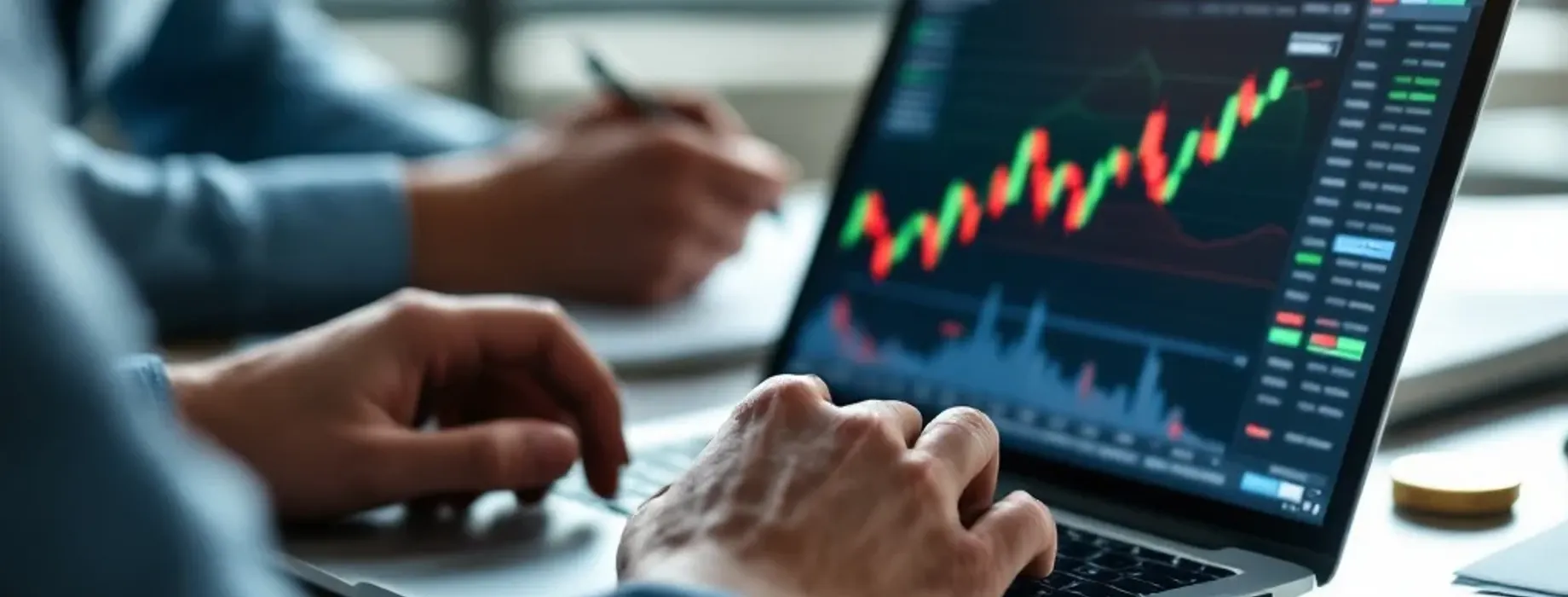
What Are Derivatives and Why Do They Matter?
Derivatives are financial contracts whose value comes from an underlying asset—such as stocks, commodities, currencies, or interest rates. They serve two main purposes: hedging to protect against adverse price movements, and speculation to profit from anticipated changes. Understanding futures, options, and swaps is essential for anyone navigating modern financial markets.
Futures Contracts: Locking in Prices with Binding Obligations
A futures contract is a standardized agreement to buy or sell an asset at a predetermined price on a specified future date. Both parties are obligated to execute the trade. For instance, a coffee grower can sell futures to lock in a price and avoid losses if prices drop, while a coffeehouse can buy futures to secure stable costs. Traders also use futures with leverage—controlling large positions with minimal capital. This magnifies gains but also losses, making risk management critical for futures traders.
Options: Flexibility with Limited Downside
Options give the holder the right, but not the obligation, to buy (call) or sell (put) an asset at a strike price before expiration. This flexibility comes at a cost: the premium paid upfront. Calls are used to bet on rising prices; puts protect against declines. For example, an investor expecting a downturn might buy put options as insurance, while a bullish trader might buy calls to leverage potential gains. Options allow defined-risk speculation and tailored hedging strategies.
Swaps: Customized Cash Flow Agreements
Swaps are private, over-the-counter contracts where two parties exchange cash flows or liabilities over time. The most common type is an interest rate swap, where one party trades a fixed rate for a variable rate. A company with a variable-rate loan seeking stability can swap with a party willing to bear the variability. Currency swaps help multinational firms manage exchange rate risk. Swaps are typically used by large institutions for bespoke risk management solutions.
Risk Management with Derivatives: Key Strategies
Hedging with Futures and Options
Hedging involves taking an offsetting position to reduce risk. A farmer can hedge crop prices using futures; an airline can hedge fuel costs with options. Combining these instruments with portfolio diversification builds resilience against market swings.
Standardized Risk Frameworks
Financial institutions use standardized models to assign risk weights to assets, determining required capital reserves. This creates a buffer against losses and promotes stability, especially for complex derivatives. Such frameworks maintain transparency and discipline in volatile markets.
Data-Driven Decisions
Real-time data analysis is now central to risk management. Traders monitor market sentiment, news, and volume to spot patterns. For example, identifying supply chain disruptions that often precede price spikes allows proactive adjustments. Modern tools transform vast datasets into actionable insights, helping traders anticipate changes.
Innovative Instruments
New products like tokenized assets enhance liquidity by making trading and collateral use easier. Securities-based loans let investors access capital without disrupting long-term positions. These innovations offer flexible responses to market shifts, reshaping how risk is managed.
Real-World Trading Scenarios
Institutional Strategies
Investment banks design complex plays around earnings announcements using options and futures. They carefully manage exposure while leveraging deep market knowledge, accounting for macroeconomic factors that influence outcomes.
Individual Investor Tactics
Retail traders can use options to gain strategic exposure with controlled risk. Call and put options allow speculation on various market views. However, understanding pricing and risk management is essential in volatile conditions.
From Simulation to Reality
New traders often start with demo accounts to practice without risk. Transitioning to real money introduces psychological pressures that require discipline and a solid plan. These case studies show how shrewd strategies and risk management go hand in hand in derivatives trading.
Frequently Asked Questions About Derivatives
What are derivatives and how do they work?
Derivatives are contracts based on underlying assets. They are used for hedging (e.g., a farmer locking in crop prices) or speculation (e.g., betting on currency movements).
How do futures contracts operate?
Futures are standardized agreements to buy or sell an asset at a set price on a future date, with mandatory execution. Airlines use them to hedge fuel costs; traders use leverage for speculation.
What role do options play in finance?
Options give the right but not the obligation to buy (call) or sell (put) an asset at a strike price before expiration. They provide flexibility for hedging and speculation with limited upfront cost.
Why do large institutions use swaps?
Swaps are customized agreements to exchange cash flows, such as interest rate or currency swaps. They allow companies to manage complex risks without public trading. For example, a firm swaps variable-rate payments for fixed to achieve cost stability.
How does leverage affect trading?
Leverage lets traders control large positions with small capital, amplifying both profits and losses. Losses can exceed initial investment, so disciplined risk management—like stop-loss orders and diversification—is vital.