Maximize Your Old Car's Hidden Value: Scrapping, Recycling & Eco Wins
Learn how to uncover hidden value in your old car through scrapping and recycling—earn cash, save parts, and cut environmental impact.
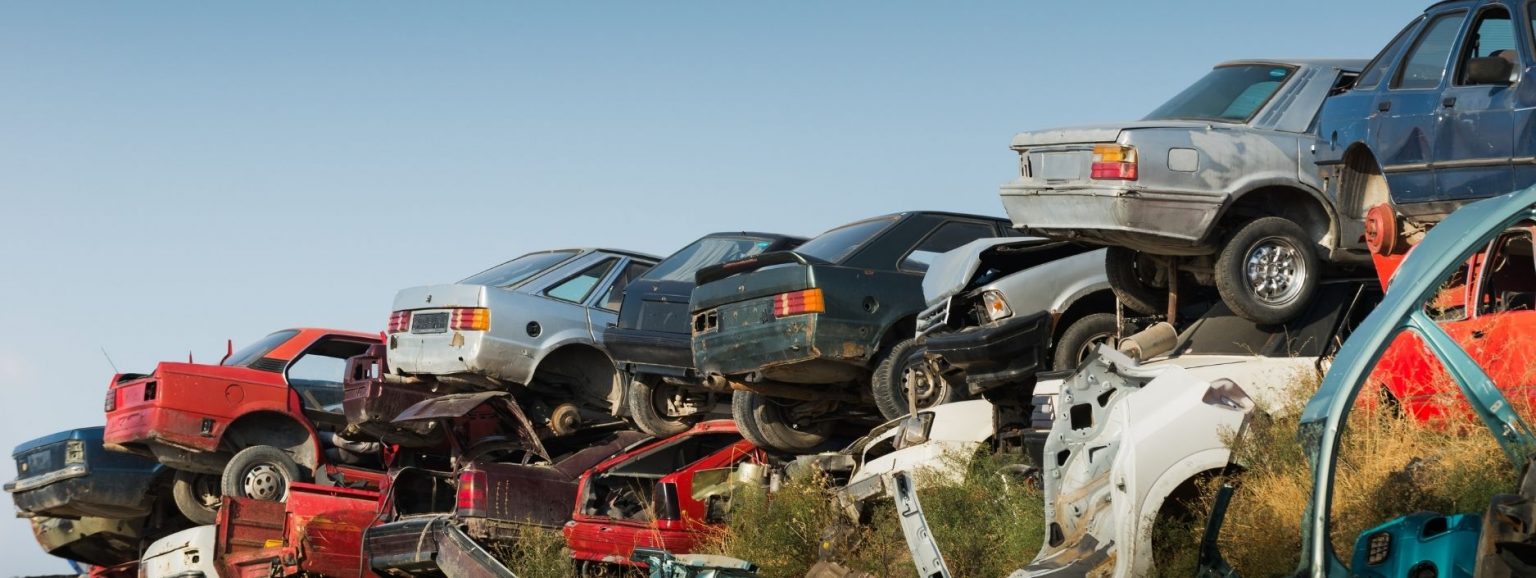
Your Car's Secret Value Beyond the Road
When a vehicle reaches the end of its life, its worth does not disappear. Modern cars contain hundreds of valuable components—from engines and transmissions to precious metals in catalytic converters. Understanding these hidden assets helps you turn an old car into cash while supporting sustainable recycling.
High‑Demand Parts That Fetch Top Dollar
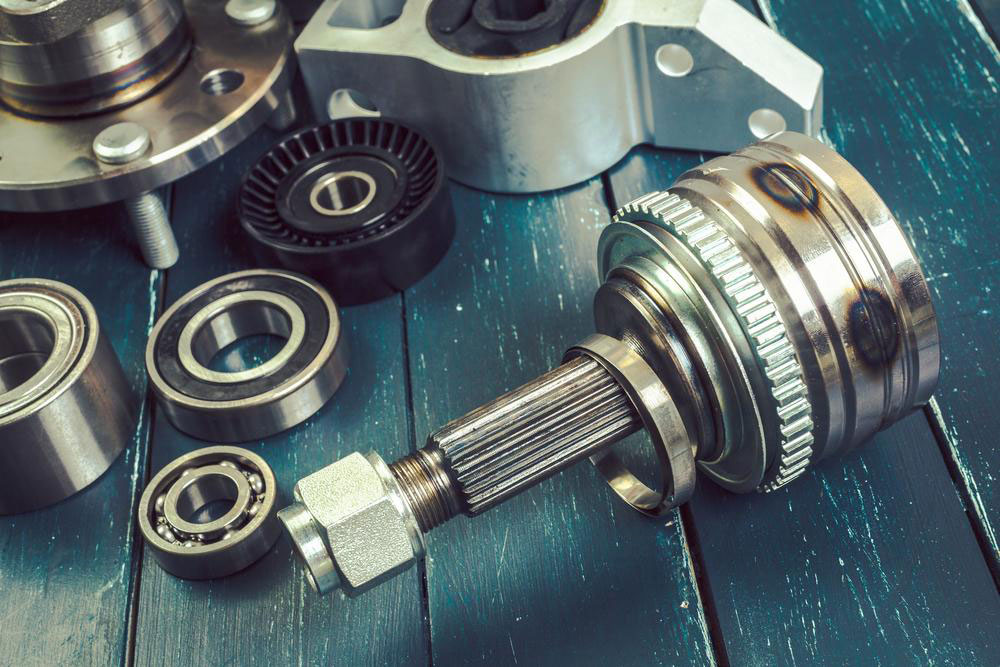
Key mechanical parts like engines, alternators, and transmissions remain sought after for repairs and restorations. Luxury and vintage models often command premium prices for body panels, interior pieces, and electronic modules. Selling parts individually through salvage networks feeds a thriving secondhand market, saving buyers money and cutting manufacturing demand.
Valuable Metals Concealed in Plain Sight
Beyond reusable parts, cars are treasure troves of raw materials. Catalytic converters contain platinum, palladium, and rhodium—metals that can be extracted and sold at market rates. Copper from wiring, aluminum from wheels and engine blocks, and steel from the chassis all hold recyclable value. Proper recovery of these materials reduces the energy and environmental costs of mining virgin ore, making car recycling a vital part of the circular economy.
Systematic Salvage: From Junk to Resource
Professional scrapping follows a step‑by‑step process designed to recover maximum value while meeting environmental standards. First, high‑value items are carefully removed; then the remaining material is processed for recycling.
Part Removal Before Shredding
Licensed salvage yards evaluate each car individually. Fluids like oil, coolant, and brake fluid are drained and collected for proper disposal. Reusable components are removed, inspected, and refurbished, extending their life and shrinking waste. Only after all salable items are extracted does the shell go to heavy processing.
Advanced Material Separation
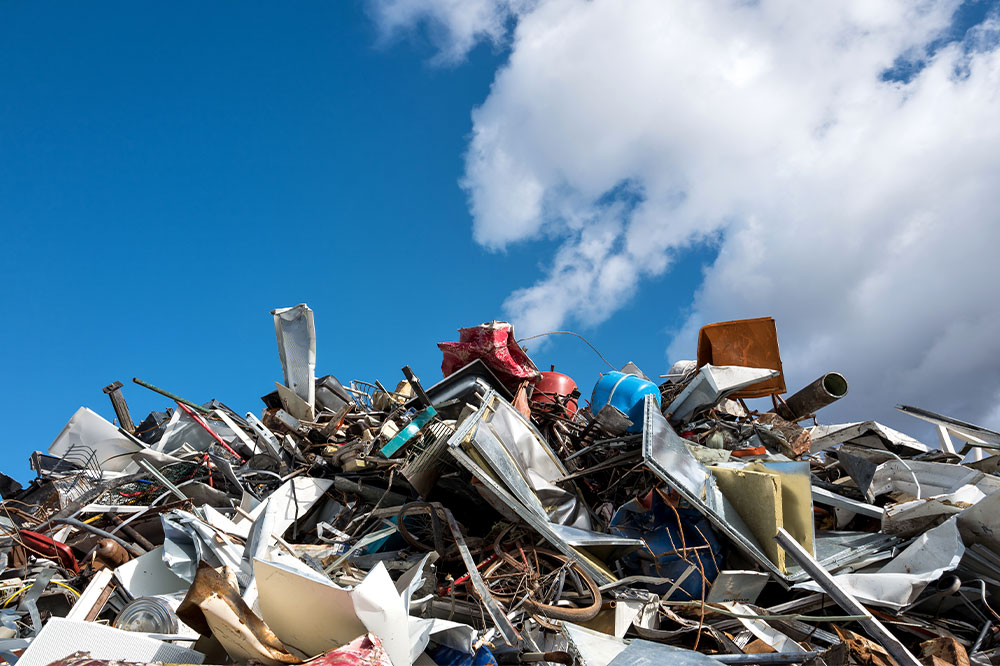
The car wreckage is fed into industrial shredders, breaking it into fist‑sized pieces. Magnets pull out ferrous metals (steel), eddy currents separate non‑ferrous metals (aluminum, copper), and advanced sorters catch remaining materials. These metals are smelted and reformed into new products—from construction beams to next‑generation vehicles. This loop cuts energy use by up to 74% for steel and 95% for aluminum compared to primary production.
Why Scrapping Matters for the Planet
End‑of‑life vehicle management is more than disposal—it’s environmental stewardship. Removing older, high‑emission cars from roads improves air quality, while recycling slashes the carbon footprint of manufacturing.
Strict Environmental Compliance
Reputable scrap yards operate under rigorous laws governing hazardous materials like lead‑acid batteries, mercury switches, and ozone‑depleting refrigerants. These substances must be isolated and treated to prevent soil and water contamination. When choosing a yard, verify its adherence to local and national standards (such as ISO 14001 certification) to ensure responsible retirement of your vehicle.
Carbon Emission Cuts Through Recycling
Recycling metals avoids the energy and emissions of mining and refining raw ore. For every ton of steel recycled, about 1.5 tons of CO2 emissions are avoided. By scrapping an old car, you prevent those emissions and also remove a high‑emission vehicle from the road, reducing ongoing smog and respiratory risks.
Choosing the Right Scrapyard: How to Get the Best Return
Not all scrapyards are equal. Financial payout, environmental practices, and customer service vary widely. Informed choices make the difference between a fair deal and a missed opportunity.
Key Evaluation Factors
Ask about pricing method—some pay by weight, others by component value. Inquire about required documents for title transfer; proper ownership release is legally essential. Look for signs of responsibility: segregated fluid areas, posted permits, and up‑to‑date waste disposal records. A yard that explains its hazardous material handling process demonstrates best practices.
Avoiding Unscrupulous Operators
Watch for yards that offer cash without asking for a title—they may be fronts for illegal resale or improper disposal. Avoid facilities with uncontained fluid spills or piles of unsorted debris. A reputable operation will let you inspect its processes and provide a transaction receipt.
Preparing Your Car for Scrapping: A Complete Checklist
Proper prep ensures a smooth, stress‑free experience and avoids legal pitfalls. Follow these steps before handing over the keys.
Paperwork & Legal Clearance
Gather the vehicle’s title (proof of ownership) and any registration documents. You’ll need to sign the title over to the yard. Some states require a notice of sale or vehicle transfer notification to be filed with the DMV. Cancel insurance and remove license plates if local law demands it.
Remove Personal Belongings & Valuables
Search all compartments: glove box, trunk, under seats, door pockets, spare tire well, and behind panels. Old cars often hide spare change, tools, sunglasses, or sentimental items. Removing these prevents loss.
Fluid Draining & Part Policies
Many yards handle fluid removal, but some require you to drain oil, coolant, and brake fluid beforehand. Similarly, batteries and catalytic converters may need removal or stay in place—confirm in advance. These steps speed up drop‑off and could boost payout if you negotiate separately for valuable parts.
Frequently Asked Questions
What determines a car’s scrap value? Primary factors are weight, current commodity prices for metals, presence of high‑value parts (especially catalytic converters and electronics), and demand for used components. Economic cycles and global metal supply also influence prices.
How does title transfer work when scrapping a car? You sign the vehicle’s title over to the scrap yard. Provide a government‑issued ID and complete any additional paperwork the yard requires. Some jurisdictions also require a sale or transfer notification to the local DMV to officially record ownership change and release you from liability.
What environmental regulations apply to scrap yards? Yards must comply with laws for safe handling and disposal of hazardous materials: oil, coolant, batteries, refrigerants. Look for valid environmental permits, proper fluid‑drain practices, and evidence of regular inspections. ISO 14001 certification is a strong indicator of responsible operations.
How does part salvaging help the environment and economy? Salvaged parts reduce the need for new manufacturing, conserving energy and raw materials. Environmentally, this means less mining, lower carbon emissions, and less waste. Economically, it creates affordable repair options and jobs in dismantling, refurbishing, and resale, supporting a circular economy.
What steps should I take to prepare my car for scrapping? Remove all personal items, gather the title and registration, cancel insurance and remove plates if required, and check with the yard about fluid draining or part removal. These steps ensure a fast, trouble‑free transaction and maximize environmental benefits.