US Driving Laws: Parking Rules, Emissions, Vehicle Inspections & License Points
A comprehensive guide to US driving laws covering parking, emissions, vehicle inspections, and the license points system. Learn key rules and avoid penalties.
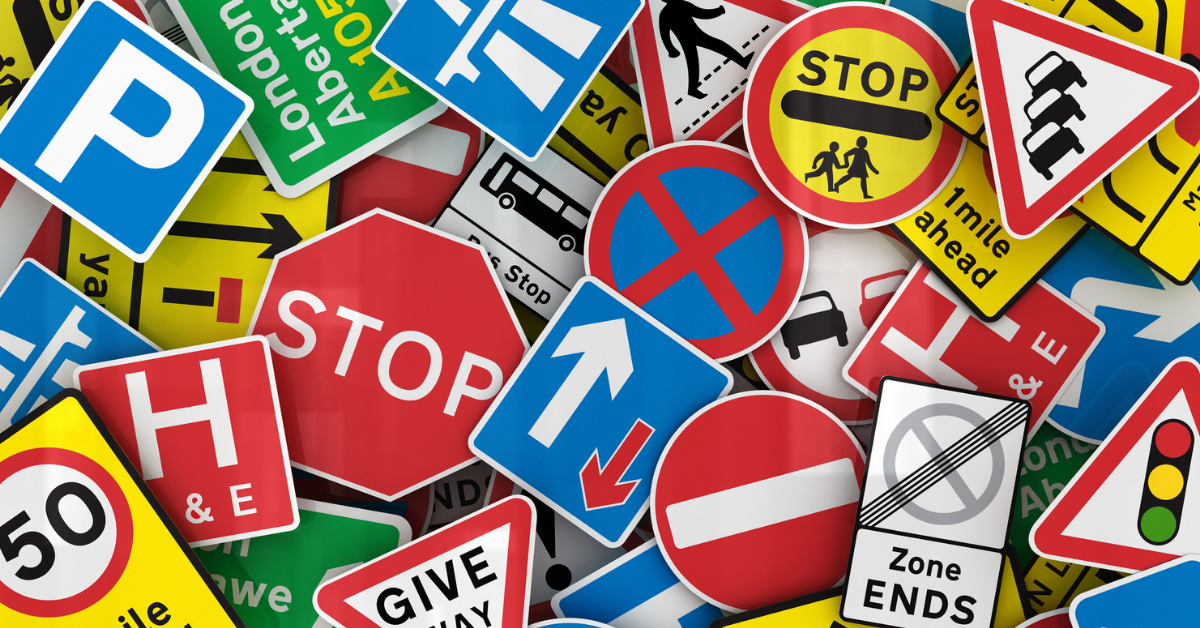
Parking Regulations Across the United States
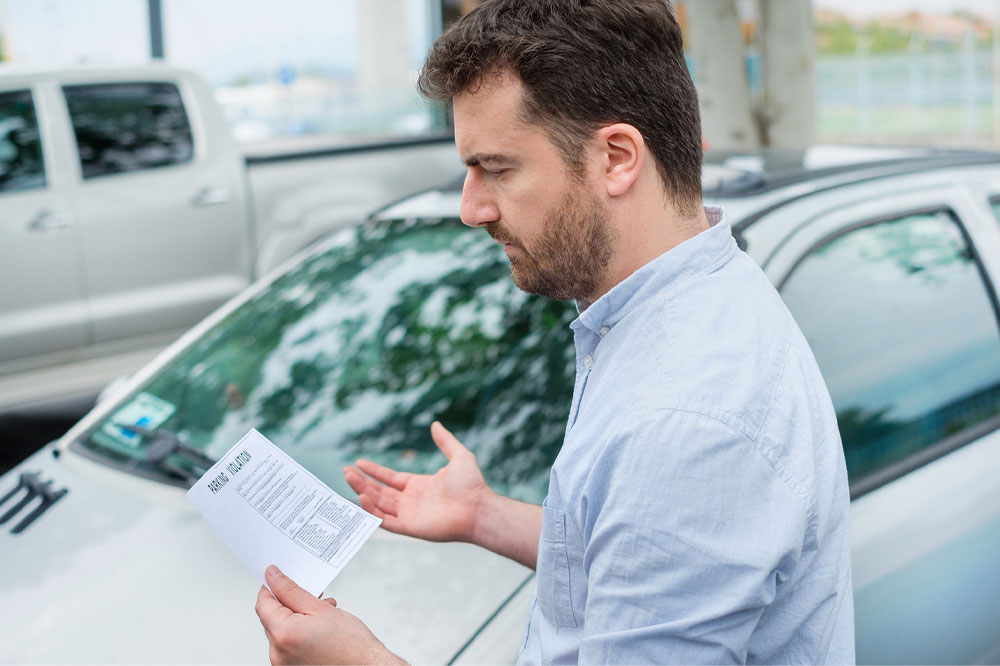
Curb colors and signage are the primary tools for communicating parking restrictions in US cities. A red curb means no stopping or parking at any time, while yellow indicates a loading zone with limited stopping. White curbs are typically reserved for passenger pickup and drop-off. Always check local signs for time limits and exceptions, such as holiday allowances. Permit-only zones are common in residential areas, requiring a valid permit to avoid fines or towing. Misusing spaces for disabled individuals or electric vehicles carries steep penalties. If you receive a ticket, you can contest it by providing photographic evidence proving the citation was issued in error.
Emission Standards: EPA Requirements and Compliance
The US Environmental Protection Agency (EPA) sets emission standards to reduce pollutants like nitrogen oxides, hydrocarbons, and particulate matter. Manufacturers must develop cleaner technologies to meet these limits. Compliance is enforced through mandatory vehicle testing. Owners should maintain their vehicles with regular tune-ups, air filter replacements, and oil changes to keep emissions low. Ignoring a check engine light can lead to failed inspections and increased pollution. Advances in vehicle technology have significantly reduced smog and acid rain, but continued vigilance is needed.
Vehicle Inspections: Safety and Environmental Checks
Vehicle inspections play a crucial role in road safety and environmental compliance. During an inspection, a mechanic checks brakes, tires, lights, steering, and other critical components. Emissions testing ensures the car stays within legal limits. Regular inspections catch potential problems early, reducing accident risks and improving fuel economy. Turn signals and headlights are also verified to prevent traffic misunderstandings. Failing an inspection typically requires repairs before the vehicle can be legally driven again.
Understanding the License Points System
The points system assigns values to traffic violations to encourage safe driving. Accumulating points can lead to higher insurance premiums, fines, or license suspension. Minor infractions like improper lane changes add 2 points, while serious offenses like DUI add 6 or more. Points are tracked by state DMVs. Drivers can reduce points by taking defensive driving courses or contesting citations in court. Most points expire after a set period, rewarding long-term safe behavior. Staying aware of your point total helps maintain a clean driving record.
Frequently Asked Questions
What are common traffic violations in the US?
Speeding, running red lights, not wearing seat belts, and using a mobile phone while driving are common. These can result in fines, points, and sometimes license suspension.
How do parking regulations vary across US cities?
Parking rules differ by city. Some areas enforce strict time limits, while others require residential permits. Always read local signage to avoid fines or towing.
What are current US vehicle emission standards?
The US follows EPA guidelines requiring vehicles to meet specific emission reduction targets. Standards are continually tightened to improve air quality.
Why is vehicle inspection important?
Inspections ensure vehicles meet safety and emission standards, reducing accidents and environmental harm. They typically check brakes, lights, exhaust, and other components.
How does the license points system work?
Points are added for traffic violations. Accumulating too many can increase insurance rates or lead to suspension. Drivers can reduce points through defensive driving courses or by contesting tickets.
What are right-of-way rules?
Right-of-way rules determine priority at intersections and pedestrian crossings. Drivers must yield to pedestrians in crosswalks and to vehicles already in a roundabout. Obeying these rules prevents accidents.