Transmission Maintenance Guide: Early Warning Signs, Fluid Care, and Software Updates
Learn key transmission care tips: spot early warning signs, maintain fluid and filters, adjust bands, and update TCU software to extend transmission life.
Why Transmission Maintenance Matters
Regular care of your transmission can prevent catastrophic failures and save thousands in repair costs. By staying attentive to symptoms and following a scheduled maintenance plan, you ensure reliable performance and extend the component's lifespan. This guide walks through the essential practices every driver should know.
Early Warning Signs
Detecting problems early is crucial. Listen for whining, humming, or clunking noises—often due to low fluid or worn components. Feel for delayed or harsh gear engagement, or the engine revving without corresponding acceleration. These indicate internal wear or degraded fluid. Also check for red, sweet-smelling fluid puddles under the vehicle and watch for a Check Engine light, which may be triggered by transmission sensor data.
Fluid and Filter Care
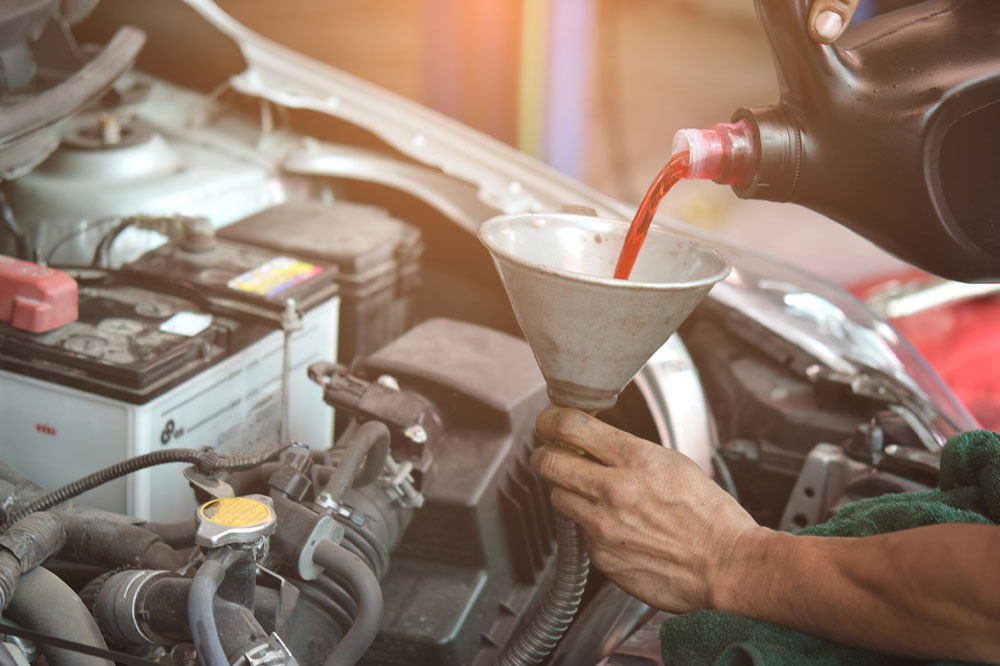
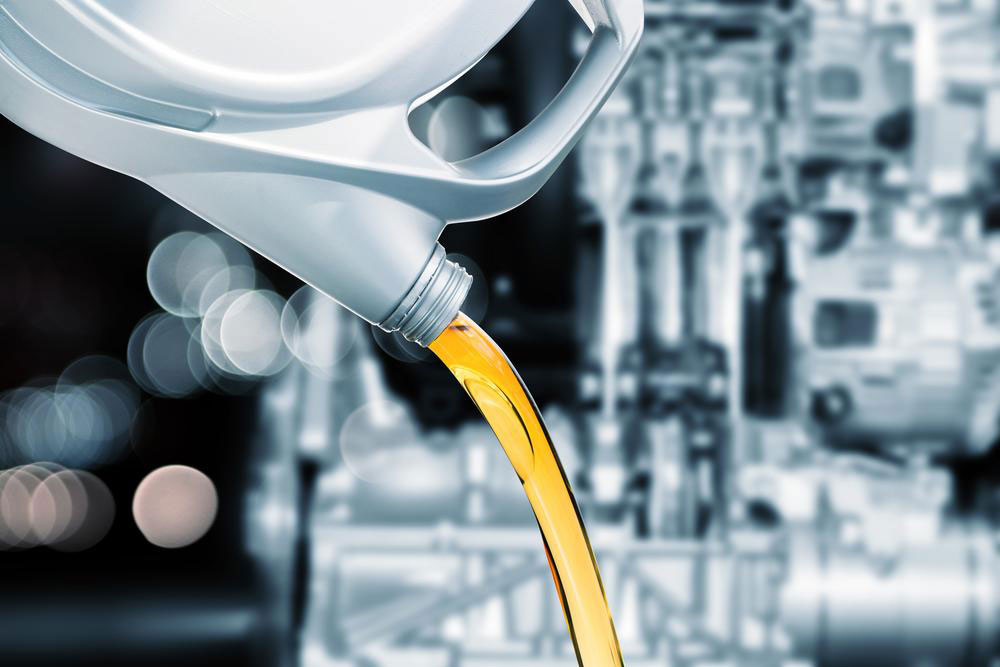
Transmission fluid lubricates, cools, and cleans internal parts. Healthy fluid is bright red and free of burnt odors; if it's dark or smells burnt, replacement is needed. Adhere to the manufacturer's recommended change interval, typically every 30,000 to 60,000 miles. Replace the transmission filter during each fluid drain to trap contaminants like metal shavings. Inspect the pan for sludge or large debris—clean fluid circulation is vital for longevity.
Band and Linkage Adjustments
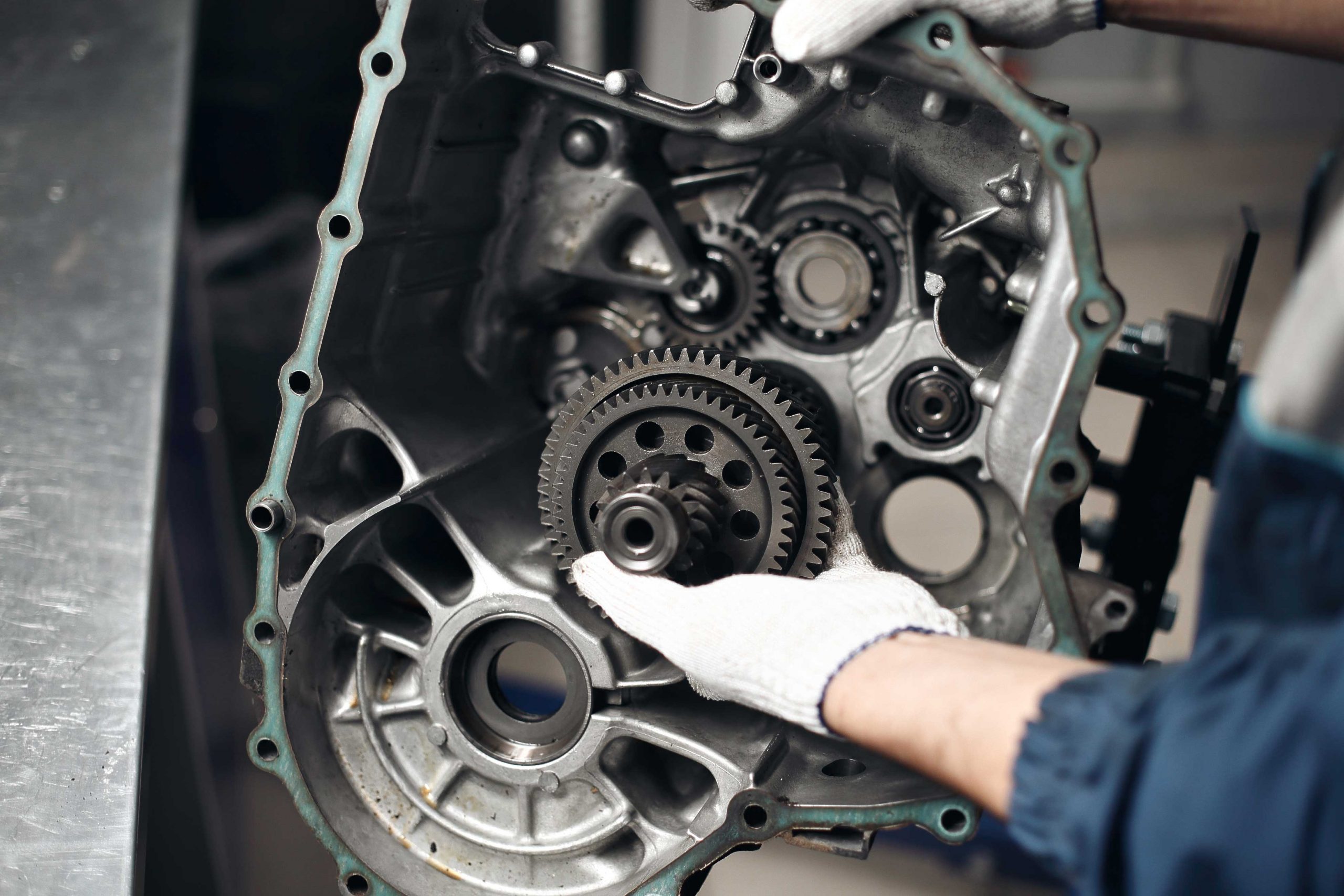
Over time, bands, clutches, and linkages can require recalibration. Misalignment causes gear slippage or harsh shifts. Periodic adjustments restore smooth transitions and prevent unnecessary strain on the system. A qualified technician should fine-tune these components during scheduled service.
Driving Habits and Hardware Upgrades
Adopt smooth driving techniques—gentle acceleration, gradual braking, and limited heavy towing. For frequent towing or hot climates, install an auxiliary transmission cooler to reduce operating temperatures. This simple addition prevents fluid overheating and degradation, significantly extending transmission life. Combined with regular fluid and filter service, these habits create a solid foundation for reliability.
Modern Software and Diagnostics
Today's transmissions are governed by a Transmission Control Unit (TCU) that manages shifts in real time for efficiency and comfort. Software glitches can cause erratic behavior, such as rough shifts, false alerts, or delayed engagement. Before pursuing mechanical repairs, start with diagnostics: retrieve error codes and consider a TCU software update (reflash). Keeping the control unit current often resolves issues without replacing parts, improving both performance and fuel economy.
Frequently Asked Questions
What role do fluid changes play in transmission health? Regular fluid changes ensure proper lubrication, cooling, and cleaning. Old fluid loses effectiveness and accumulates contaminants; changing it per schedule prevents overheating and premature wear.
Why is filter replacement important? The filter traps debris that could circulate and damage internal components. A clogged filter restricts flow, leading to poor performance and accelerated wear. Regular replacement keeps fluid moving freely.
How do driving habits affect transmission life? Aggressive driving—rapid acceleration and hard braking—increases stress on the transmission. Smooth, gradual inputs reduce wear and help avoid premature failure.
What are the benefits of a transmission cooler? An auxiliary cooler lowers the fluid temperature during heavy use or in hot climates. Cooler fluid resists degradation and prevents overheating, which is a major cause of failure.
How can I diagnose potential transmission problems? Look for unusual noises, rough shifting, fluid leaks, and warning lights. Check fluid level and condition, inspect for leaks, and use a diagnostic scanner to read error codes. Early professional evaluation can stop minor issues from becoming major repairs.