Atmospheric Pressure, Jet Streams, and Humidity: Key Drivers of Weather Patterns
Explore how atmospheric pressure, jet streams, humidity, and climate cycles like El Niño shape global weather patterns from storms to long-term forecasts.

How Atmospheric Pressure Shapes Weather
Weather is far from random—it emerges from the interplay of atmospheric pressure, moisture, temperature, and global wind currents. Atmospheric pressure, the weight of air above us, varies across the planet due to temperature differences. Cold air sinks, creating high-pressure zones that suppress cloud formation and lead to clear, stable conditions. Warm air rises, forming low-pressure areas that encourage cloudiness and precipitation. These pressure systems shift dynamically, driving the weather patterns we observe. Barometers track pressure changes: a falling reading often indicates approaching storms, while rising pressure signals fair weather.
Jet Streams: Steering Global Weather
Jet streams are narrow bands of strong upper-atmosphere winds flowing west to east. They form at boundaries between warm and cold air masses, driven by temperature contrasts and Earth's rotation. The polar and subtropical jet streams shift seasonally, steering weather systems and influencing storm tracks. They can carry storms across continents or lock them in place, leading to prolonged wet or dry spells. Understanding jet stream behavior is essential for accurate short-term forecasts and long-term climate prediction.
Moisture, Heat, and Storm Formation
Humidity—the concentration of water vapor in the air—is a critical factor. High humidity leads to cloudier, wetter conditions, while low humidity brings dry weather. The dew point, the temperature at which air becomes saturated, predicts rain and storms. Heat acts as a catalyst: warmer air rises more vigorously, creating low-pressure zones that can intensify storms. Rising global temperatures increase atmospheric energy, contributing to more extreme events like heatwaves and heavy rainfall.
Storm Genesis and Climate Cycles
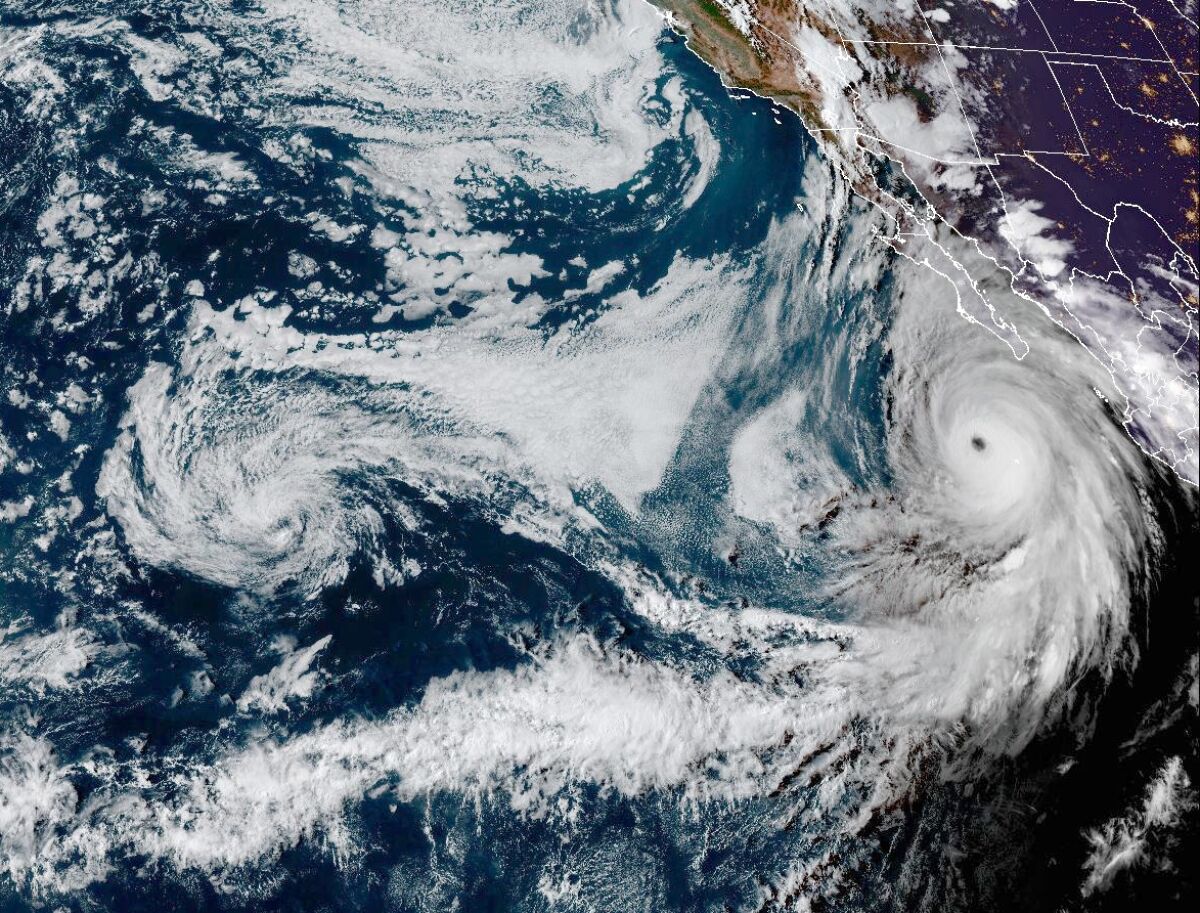
Storms require three ingredients: moisture, unstable air, and a lifting mechanism. Aerosols—tiny particles from dust, smoke, or sea salt—serve as condensation nuclei, helping clouds form and droplets grow. Ocean temperatures also play a role: warm seas heat the air above, fueling hurricanes and cyclones. Phenomena like El Niño and La Niña alter ocean temperatures globally, shifting storm tracks and affecting drought and flood patterns.
El Niño, La Niña, and Other Climate Cycles
El Niño and La Niña represent opposite phases of a natural climate cycle. El Niño warms Pacific Ocean waters, often causing wetter conditions in some regions and droughts in others. La Niña cools those waters, typically leading to increased hurricane activity and drier weather in certain areas. Neutral phases offer relative stability but may signal transitions. Monitoring these cycles is vital for seasonal forecasts and preparing for weather-related impacts.
Data Source: Compiled from meteorological studies and reports published by official services and climate research institutions, January 2023 to March 2025.
Frequently Asked Questions
What role does atmospheric pressure play in weather forecasting? High pressure generally brings clear skies, low pressure signals storms. Monitoring trends helps predict weather fronts and conditions.
How do jet streams influence storm formation? They steer weather systems and can create low-pressure areas when they dip, encouraging storm development. They also separate air masses, influencing storm intensity and path.
What is the relationship between climate patterns and humidity levels? Tropical climates have high humidity due to warm temperatures and frequent rain; arid climates have low humidity. Climate shifts can alter humidity, affecting local weather and ecosystems.
How can understanding jet streams improve long-term climate predictions? Jet stream behavior affects large-scale weather patterns. Studying them helps climatologists predict temperature and precipitation shifts, essential for long-term planning.
Why is monitoring humidity levels important in weather forecasting? Humidity affects both temperature and precipitation. Accurate data helps forecast fog, thunderstorms, heatwaves, and other phenomena, improving reliability.