Human Body Systems: How Bones, Tissues, and Circulation Work Together
Discover how the skeletal system, four tissue types, and respiratory-circulatory partnership work together to sustain life.
Introduction: The Body as an Integrated System
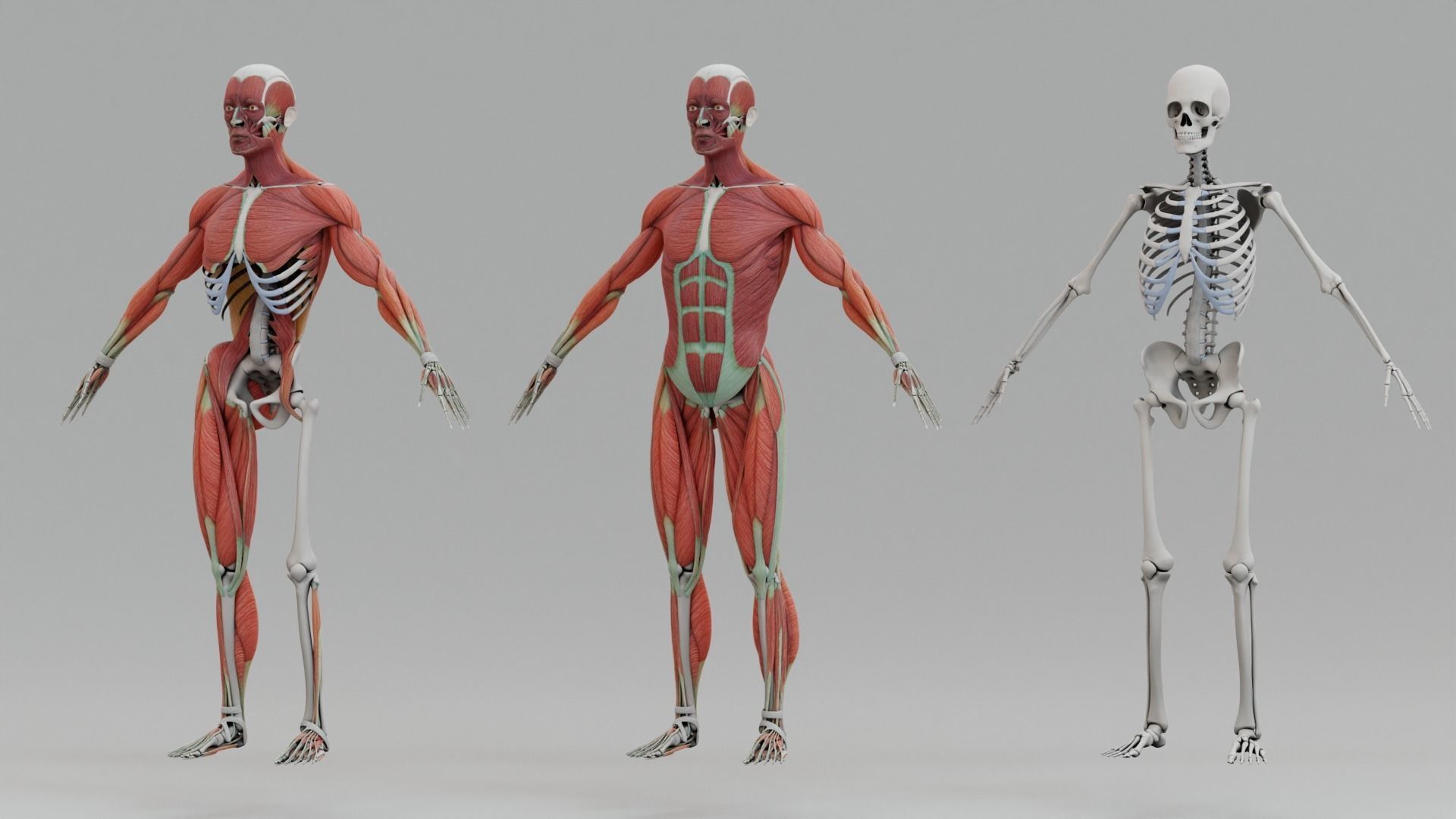
The human body operates as a coordinated whole, with bones, tissues, and circulation working in tandem. The skeleton not only supports the frame but also protects vital organs, while muscles and joints enable movement. Tissues form the building blocks of organs, and the respiratory and circulatory systems together ensure oxygen reaches every cell. This article explores how these components interact and how their health affects overall well-being.
Skeletal Foundation: Support, Protection, and Movement
Structural Framework and Organ Protection
The skull encases the brain in a hard shell, and the rib cage shields the heart and lungs from impacts. The spine, composed of segmented vertebrae separated by intervertebral discs, supports the body's weight while allowing flexibility. Bones are living tissues that constantly remodel in response to stress, adapting to physical demands.
Joints, Muscles, and Connective Tissues
Joints such as the hip, knee, and shoulder act as fulcrums for muscle action, balancing stability with mobility. Muscles contract against bones to produce motion, whether for walking, lifting, or maintaining posture. Ligaments anchor bones to bones, and tendons attach muscles to bones, ensuring coordinated movement. When joint or bone health declines, physical therapy can help restore function and alleviate pain.
Four Primary Tissues: Building Blocks of Organs
Epithelial Tissue
Epithelial tissue lines the outer body and internal cavities, acting as a barrier against pathogens. It regulates absorption in the intestines and facilitates secretion. The skin, the largest epithelial organ, protects against dehydration and infection.
Connective Tissue
Connective tissue includes bone, cartilage, tendons, ligaments, and blood. It provides structural support, cushions organs, and transports nutrients and wastes. Blood, a liquid connective tissue, delivers oxygen and removes carbon dioxide, linking the circulatory and respiratory systems.
Muscle Tissue
Skeletal muscle enables voluntary actions like walking. Smooth muscle controls involuntary processes such as digestion and blood vessel diameter. Cardiac muscle, found only in the heart, contracts rhythmically to pump blood. All muscle types rely on calcium and energy to contract.
Nervous Tissue
Neurons transmit electrical signals rapidly, enabling reflexes and conscious thought. Glial cells support and insulate neurons. The nervous system controls everything from breathing to complex reasoning, integrating sensory input and motor output.
Respiratory and Circulatory Systems: A Symbiotic Relationship
Breathing Mechanics and Gas Exchange
The brainstem regulates breathing automatically, adjusting rate and depth based on carbon dioxide levels detected by chemoreceptors. Inhalation involves contraction of the diaphragm and intercostal muscles, expanding the chest cavity to draw air into the lungs. Exhalation is usually passive as muscles relax. This continuous cycle exchanges oxygen and carbon dioxide across the alveolar-capillary membrane.
Heart and Blood Vessels
The heart pumps oxygenated blood through arteries to tissues, where capillary networks enable gas and nutrient exchange. Deoxygenated blood returns via veins. Valves in veins and heart chambers prevent backflow, and arterial elasticity helps maintain blood pressure during the cardiac cycle.
System Challenges and Health Strategies
Conditions like sleep apnea disrupt the respiratory rhythm, while atherosclerosis narrows arteries, impairing circulation. Both can have cascading effects on overall health. Regular exercise, a balanced diet, and avoiding smoking support both systems. Wearable devices and medical screenings help monitor heart rate, oxygen saturation, and blood pressure, enabling early intervention.
Conclusion: Interconnected Systems for Overall Health
The body's systems do not operate in isolation. The skeleton and muscles work with the circulatory and respiratory systems to deliver oxygen to active tissues. Tissues like blood and nerves connect every part of the body. Understanding these interdependencies empowers individuals to make informed choices about their health and encourages further research into integrated medical treatments.