Augmented Reality: Transforming Retail, Navigation, and Education
Discover how AR boosts retail with virtual try-ons, simplifies navigation with overlaid directions, and enhances education through interactive 3D models.
AR’s Expanding Role Across Industries
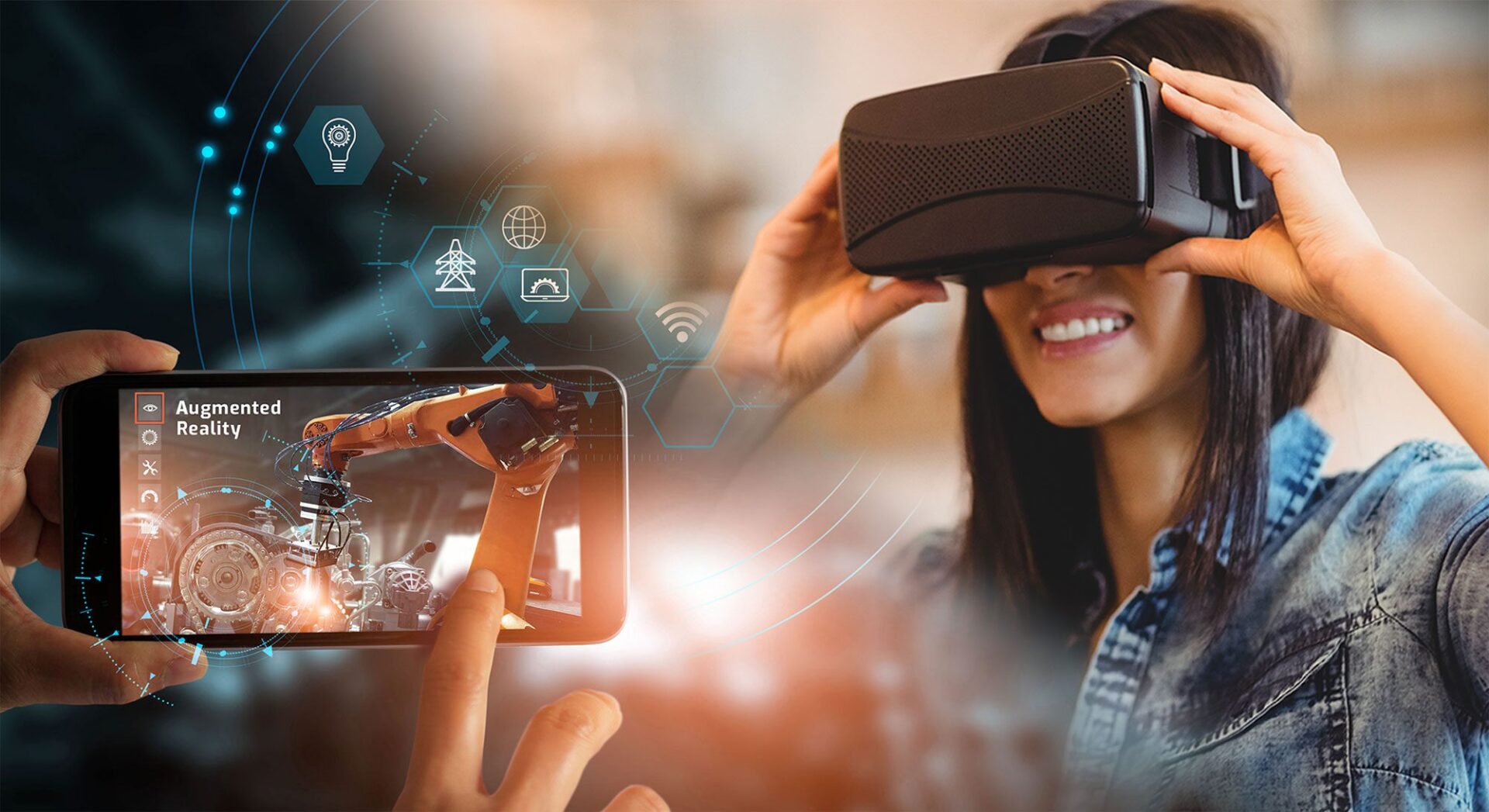
Augmented reality (AR) is bridging the gap between digital and physical worlds, transforming how consumers shop, navigate, and learn. By overlaying real-time digital information onto the user’s surroundings, AR enhances decision-making, spatial awareness, and skill acquisition. Its applications span retail, navigation, education, healthcare, and beyond, with adoption accelerating as mobile devices become more powerful.
Retail Revolution: Virtual Try-Ons and Immersive Shopping
Boosting Buyer Confidence and Reducing Returns
In fashion and beauty, AR allows shoppers to “try on” products via smartphone cameras, eliminating guesswork about fit or color. This technology has been shown to increase purchase intent by 40% when used in in-app advertisements, while simultaneously lowering return rates. Customers feel more confident, and brands build stronger loyalty through interactive experiences.
Bridging Online and Offline Experiences
AR merges the ease of online browsing with the reassurance of in-store inspection. Shoppers can see how a sofa fits in their living room or how a pair of glasses looks on their face—all from home. This blend reduces barriers to buying items that require spatial fit, making e-commerce more accessible and satisfying.
Navigating the World with AR Overlays
From Flat Maps to Intuitive Directions
AR navigation projects arrows, street names, and points of interest directly onto the real-world view captured by a device camera. This approach simplifies navigation in unfamiliar locations, reducing cognitive strain and providing a more natural sense of direction. As network speeds improve, AR navigation is expected to become a standard daily tool.
Professional Use in Architecture and Urban Planning
Architects and planners use AR to overlay proposed designs onto existing landscapes, enabling stakeholders to visualize projects before construction begins. This spatial awareness aids decision-making, reduces risks, and improves communication in complex developments.
Transforming Education and Training with Interactive Manuals
Step-by-Step Visual Guidance for Complex Tasks
AR manuals display instructions directly on the equipment being repaired or assembled. Technicians see highlighted parts and animated steps superimposed on real objects, minimizing errors and boosting efficiency. This is especially valuable in manufacturing and engineering, where precision is critical for safety.
Enhancing Learning with 3D Visualization
In education, AR turns abstract concepts into tangible 3D models. Medical students can explore anatomical structures in an immersive environment, making complex relationships easier to understand and retain. This interactive approach prepares learners for real-world applications across disciplines.
Future Outlook and User Adoption
As AR becomes more integrated into everyday devices—from smartphones to smart glasses—new applications will emerge in healthcare, entertainment, retail, and beyond. Surgeons already use real-time overlays during operations to increase accuracy, while schools create dynamic learning materials. Predictions indicate over one billion AR users worldwide as mobile AR technologies mature, blending digital and physical realities seamlessly.
Frequently Asked Questions about Augmented Reality
What are digital overlays, and how do they enhance AR? Digital overlays are virtual elements placed on the real world via a camera. They provide interactive information—such as product details, directions, or step-by-step instructions—enriching the user experience.
How does spatial computing improve training manuals? Spatial computing in AR manuals overlays instructions on physical objects, offering context-aware guidance that reduces mistakes and speeds up learning.
What benefits does AR bring to retail? AR enables virtual try-ons, personalized recommendations, and product visualization in the user’s environment, leading to higher confidence and lower return rates.