Navigating Commodity Markets: Production Shocks, Speculation, and Global Interdependence
Explore how crop shortfalls, geopolitical events, and speculation drive commodity price volatility. Learn about supply chains, demand cycles, and future trends.
Key Drivers of Commodity Volatility
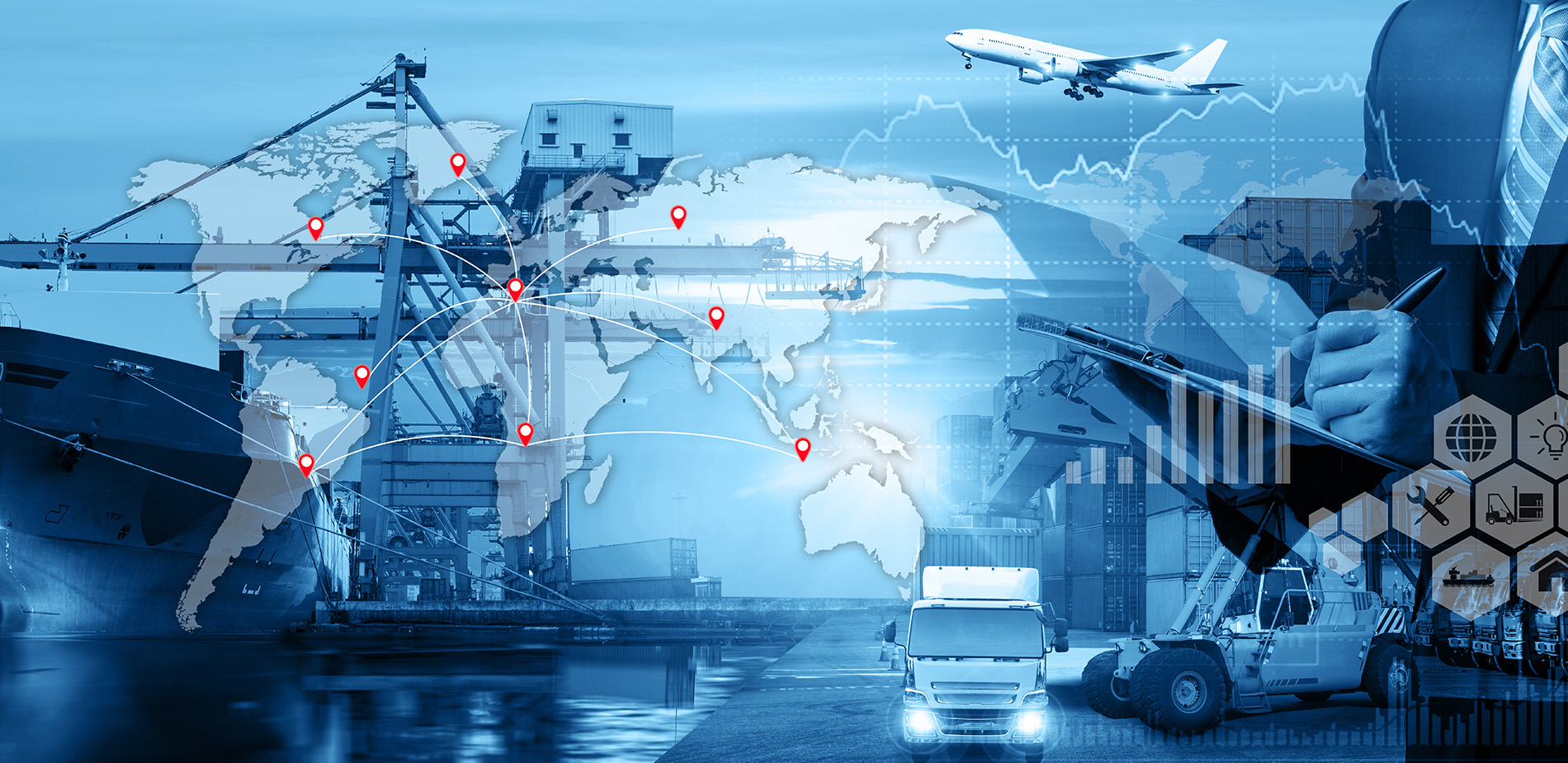
Commodity prices rarely move in isolation. A disruption in a single region—whether from a drought, political upheaval, or trade policy shift—can send shockwaves through global markets. Understanding these drivers helps investors and businesses prepare for sudden price swings.
Geopolitical and Natural Shocks
Political instability in major mining or oil-producing regions can halt production, triggering worldwide shortages of essential metals and energy. Similarly, extreme weather events like floods or heatwaves devastate crop yields, raising costs for feed and food. These shocks travel quickly along interconnected trade routes, amplifying initial impacts.
Speculation's Dual Role
Speculators add liquidity to futures markets, helping prices reflect future expectations. In normal conditions, this stabilizes markets. However, when trading becomes aggressive—especially when supply is tight—speculation can exacerbate volatility. The volatility index spikes during uncertain times as hedging activity intensifies.
Interconnected Supply Chains
Commodity interdependence means a problem in one sector cascades into others. For instance, a poor corn harvest raises animal feed costs, which then pushes up meat and dairy prices. The same ripple effect occurs in metals: a mining strike can raise prices for construction and manufacturing raw materials, delaying projects and increasing costs far beyond the original source.
Crop Shortfalls and Ripple Effects
Transportation delays and storage limitations amplify the impact of agricultural shortfalls. Futures markets allow farmers and consumers to hedge against such risks, but the underlying volatility remains. Bountiful harvests produce the opposite effect, lowering prices across the supply chain.
Demand Cycles and Economic Growth
Economic expansion drives demand for raw materials, lifting prices in construction, manufacturing, and energy. During recessions, demand contracts, leading to lower prices and surplus inventory. Gold behaves differently: it rises as a safe haven during uncertainty and drops when stable conditions favor higher-yielding assets. Central bank interest rates also influence its appeal.
Future Trends in Commodity Forecasting
Analysts expect gradual price stabilization as technology improves agricultural yields and drilling capacity expands. Diversification of supply sources—new mining operations, alternative energy, and regional farming—reduces the impact of localized shortages. Despite these advances, global uncertainties persist, especially for precious metals that respond to broad economic sentiment. Resilient market structures are emerging as countries and companies hedge against disruption.
Questions and Answers
What factors contribute to volatility in oil prices? Geopolitical instability, OPEC quota changes, technological advances in extraction, and shifts in global demand all affect oil prices. Trader speculation on future conditions adds further volatility.
How does gold demand fluctuate with global conditions? In uncertain times, gold demand rises as a safe-haven asset. In stable, growing economies, investors shift to higher-yielding alternatives, lowering demand. Central bank interest rates also influence gold's appeal.
How do supply shocks affect agricultural futures? Unexpected weather, pests, or trade disruptions reduce supply, raising futures prices. Bountiful harvests produce the opposite effect. Futures markets help farmers and consumers manage price risk.
What role does speculation play in commodity prices? Speculation adds liquidity and helps price in future expectations. It can stabilize markets but also amplify volatility when trading becomes aggressive, especially in tight supply-demand situations.
How do global trade dynamics influence commodity markets? Trade policies, tariffs, and logistics determine the flow of goods. Agreements lower barriers and stabilize prices; disputes or bottlenecks restrict supply and increase volatility. Regional changes can ripple worldwide.