How Nanotechnology Transforms Medicine, Electronics, and the Environment
Discover how nanotechnology revolutionizes medicine, electronics, environmental protection, and manufacturing through precision engineering at the atomic scale.

Nanotechnology’s Expanding Horizons
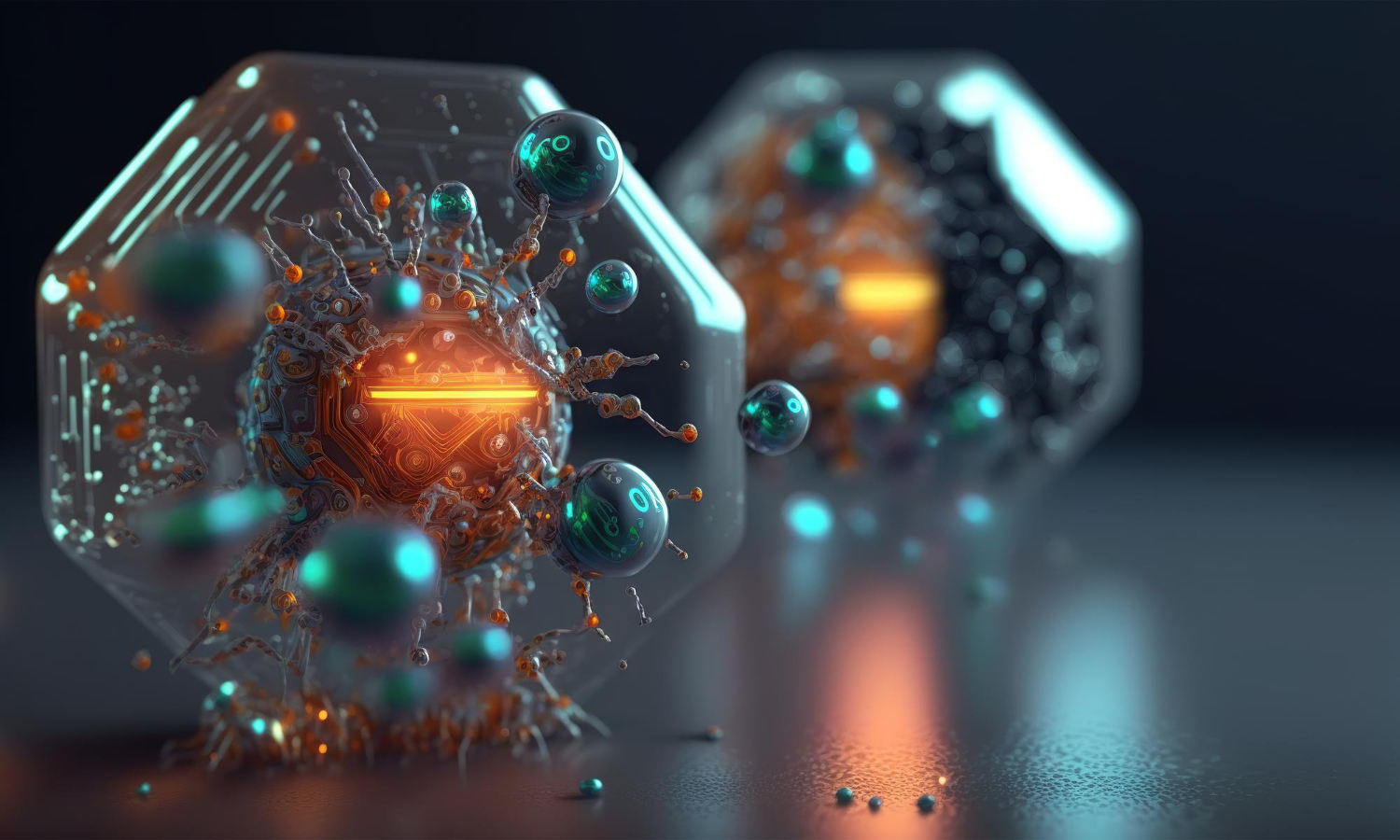
Working at the scale of atoms and molecules, nanotechnology is unlocking new possibilities across medicine, electronics, environmental protection, and manufacturing. By engineering materials with nanoscale precision, scientists are creating smarter therapies, faster devices, cleaner solutions, and programmable materials that respond to their surroundings.
Nanomedicine: Precision Healing
Targeted Drug Delivery
Conventional treatments often harm healthy cells alongside diseased ones. Nanoparticles solve this by carrying drugs directly to targeted cells using molecular homing signals. This approach reduces side effects, improves outcomes, and helps overcome drug resistance — especially important in cancer therapy.
Crossing Biological Barriers
Many drugs cannot reach the brain because of the blood-brain barrier. Nanoparticles cloaked in cell-membrane fragments can slip past this defense, delivering treatments to brain tumors and neurological disorders that were previously untreatable.
Painless Delivery Systems
Microneedle patches use tiny needles that penetrate the skin without triggering pain receptors, enabling gradual release of medications into the bloodstream. This technology improves comfort and compliance for patients requiring regular injections.
Fighting Superbugs
Metallic nanoparticles like silver and zinc attack bacteria through multiple mechanisms — disrupting membranes and interfering with vital functions. They are used to sterilize medical devices, in water filters, and as a potential weapon against antibiotic-resistant microbes.
Nanoelectronics: Smarter Devices
Beyond Silicon
Quantum dots and novel semiconductors are supplementing silicon to create faster, more energy-efficient electronics. Atomic-scale engineering opens the door to quantum computing and ultra-low-power circuits for wearables and IoT devices.
Ubiquitous Sensors
Tiny nano-sensors embedded in clothing, implants, and infrastructure monitor health metrics and environmental pollutants in real time. They enable personalized medicine, smart cities, and early warning systems for pollution.
Environmental Applications
Water and Air Purification
Nano-filters can remove bacteria, viruses, and molecular contaminants from water. Catalytic nanoparticles break down toxic chemicals in air and water, offering efficient remediation without large infrastructure investments.
Clean Energy
Nanomaterials expand the light-absorption range of solar cells, boosting efficiency. In batteries, nanoscale engineering increases energy density and charging speed, supporting electric vehicles and grid storage.
Molecular Manufacturing
Self-Assembly
By controlling temperature, pH, and other factors, researchers guide nanoparticles to assemble into ordered structures with specific properties. This bottom-up approach allows creation of materials with designed mechanical, electrical, or optical characteristics.
Programmable Materials
Networks of nanoparticles can alter their properties in response to stimuli — like temperature, light, or pressure. Such materials could lead to self-healing surfaces, adaptive clothing, and robotics that change shape.
Ethical Governance
As nanotech grows, so does the need for responsible development. Key pillars include: research reproducibility through standardized protocols; data privacy for biomedical nano-devices; lifecycle safety assessments for new materials; and global regulatory harmonization to ensure equitable access and prevent misuse.
Frequently Asked Questions
How are nanomaterials used in materials science? They enhance strength, weight, and conductivity in aerospace, automotive, and electronics components.
How does nanomedicine reduce side effects? By delivering drugs only to targeted cells, sparing healthy tissue.
What role does nanoelectronics play? It enables smaller, faster, more efficient components for quantum computing, smartphones, and laptops.
How does molecular manufacturing differ from traditional methods? It builds products from the molecular level, reducing waste and allowing complex structures impossible with conventional machining.
Can nanotechnology clean up pollution? Yes, through nano-filters, catalytic nanoparticles, and enhanced solar cells and batteries.