How Connected Infrastructure and Data Are Shaping Tomorrow's Cities
Discover how connected infrastructure and data-driven systems are transforming cities into responsive, sustainable hubs for better living.
The Evolution of Urban Living
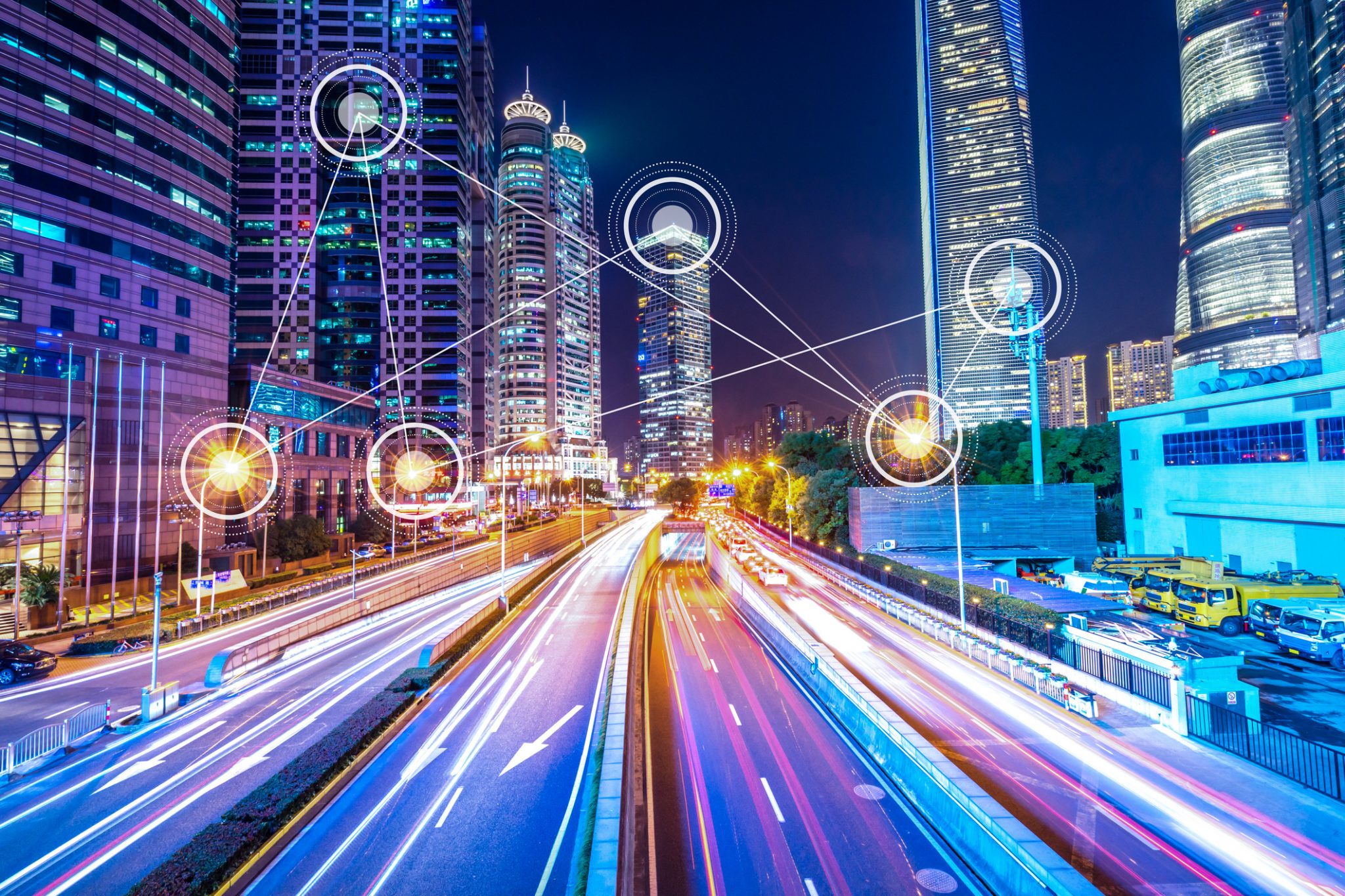
Cities are transforming from static collections of structures into dynamic, responsive ecosystems. By embedding digital technologies into the fabric of urban infrastructure, municipalities can deliver better services, conserve resources, and enhance the daily lives of residents. This shift is not merely about adding gadgets—it's about creating an intelligent information flow that drives efficiency, sustainability, and livability.
Mobility That Puts People First
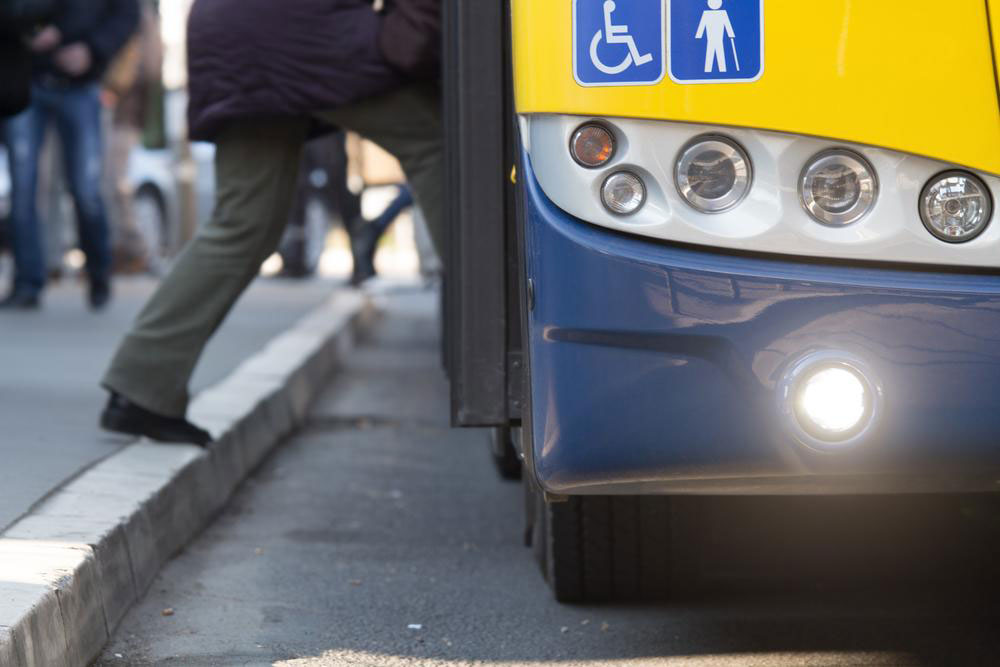
Traditional city planning often prioritized cars, leading to congestion and pollution. Today's approach centers on multi-modal transit designed for people. Real-time journey planners integrate data from buses, trains, bike shares, and ride-hailing services, enabling dynamic route adjustments. Smart traffic signals adapt to current demand, cutting travel times and emissions. This supports concepts like the "15-minute city," where daily needs are within a short walk or bike ride, promoting community and active lifestyles.
Smarter, Greener Infrastructure
Intelligent systems are making urban operations more efficient. Smart grids balance energy supply and demand, incorporating renewable sources. Buildings automatically adjust lighting and heating for optimal energy use. Water networks detect leaks in real time, while sensor-equipped waste bins signal when collection is needed. These technologies converge in mixed-use urban hubs that blend residential, commercial, and public spaces, encouraging walkability and connectivity. The outcome is cleaner air, reliable public services, and healthier environments.
Digital Tools for Citizen Engagement
People are a city's most valuable resource. Mobile apps allow residents to report issues like potholes or broken streetlights, ensuring swift responses. Beyond reporting, digital platforms enable broader participation in urban planning—citizens can review proposals and provide feedback online. Data from these interactions guides officials toward equitable decisions, such as adding bus routes or improving lighting in underserved areas. This transparent, collaborative model builds trust and ensures development aligns with community needs.
The Technology Backbone: Data Centers and Connectivity
At the core of a smart city lies a robust digital infrastructure. Data centers process vast streams of information, with innovations like modular construction and advanced cooling improving efficiency and scalability. High-speed connectivity—through enhanced mobile networks and the Internet of Things (IoT)—links sensors across traffic systems, energy grids, water pipes, and public transit. Edge data centers enable real-time processing for critical functions like emergency response and traffic management.
Data-Driven Decision Making for Equity
Real-time data allows cities to shift from reactive to proactive management. By analyzing traffic patterns, pedestrian flows, and community feedback, officials can anticipate safety issues and optimize resource allocation. Localized processing ensures rapid responses while maintaining data sovereignty. The ultimate goal is fair urban development: data reveals disparities, guiding investments to neighborhoods that need them most. Policies become evidence-based, fostering inclusivity and fairness.
Co-Designing Connected Communities
Building a connected city requires collaboration between citizens and authorities. Co-designing public spaces ensures inclusivity and community pride. Digital tools make participation accessible, capturing diverse input that shapes resilient infrastructure. When local ideas scale into city-wide impact, residents, businesses, and institutions work together, driving sustainable progress. This approach makes cities truly representative of the people they serve.
The Future of Urban Life
Smart cities are not about technology for its own sake—they are about orchestrating connectivity and governance to improve every facet of urban life. From smoother commutes and cleaner environments to empowered citizens and fairer policies, the data-driven city creates a harmonious whole. The future belongs to cities that listen, adapt, and grow alongside their communities.