3D Printing Revolution: Transforming Construction, Healthcare, and Beyond
Discover how additive manufacturing is revolutionizing construction, healthcare, and more with custom parts, reduced waste, and innovative materials.
Overview of Additive Manufacturing
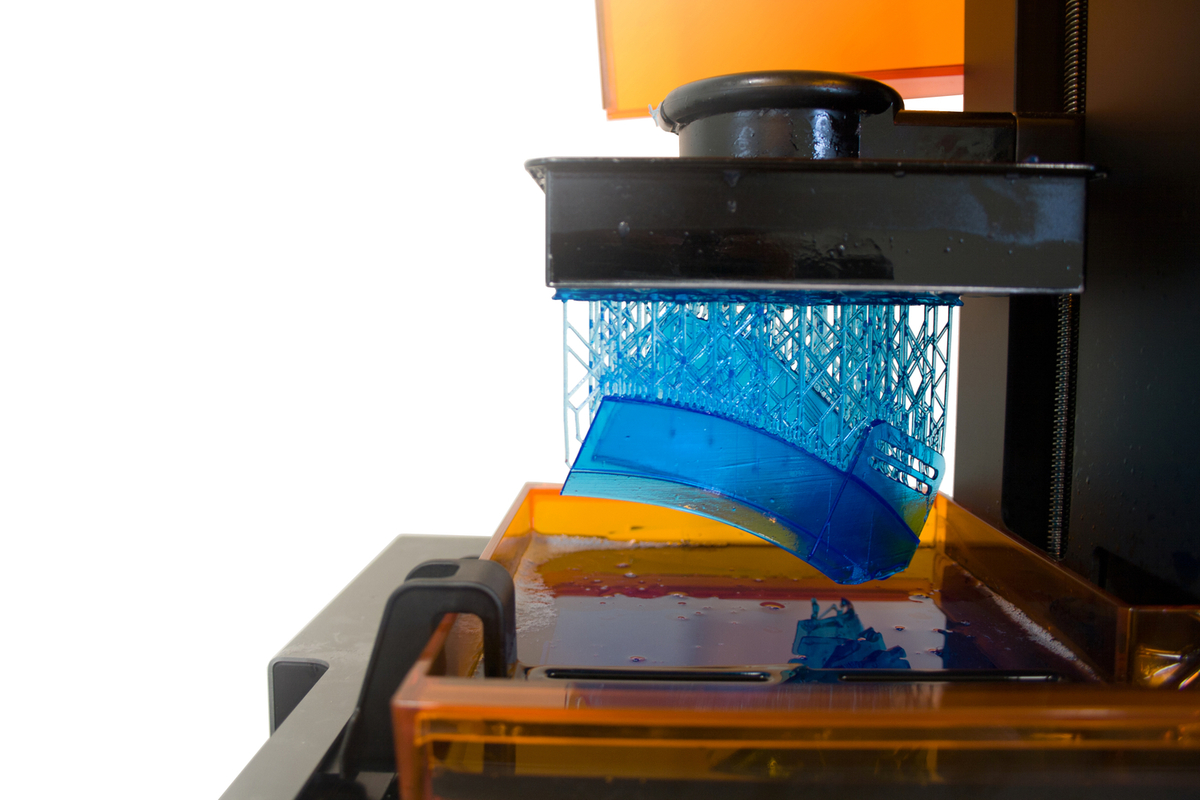
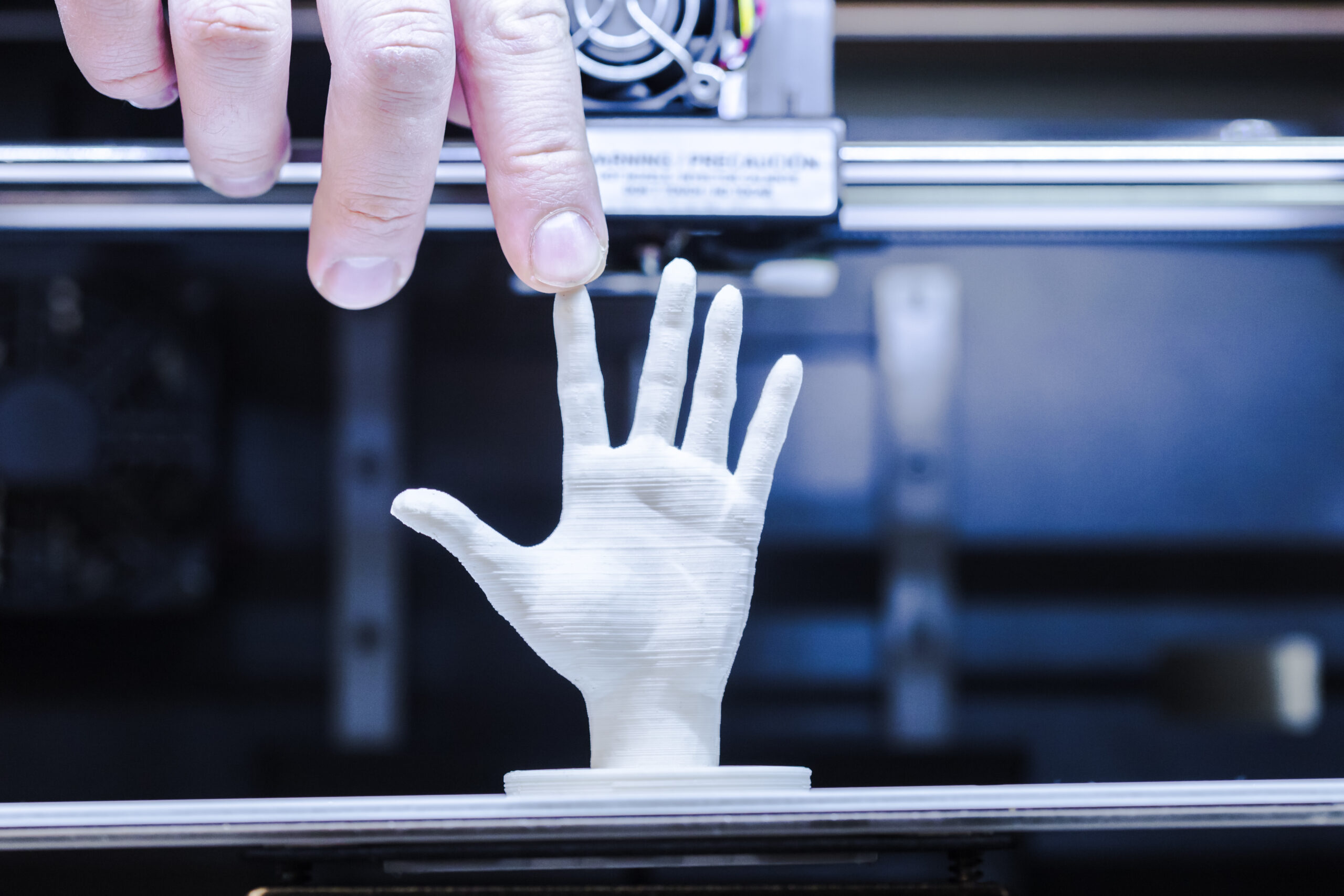
Additive manufacturing, or 3D printing, constructs objects layer by layer from digital designs. Unlike traditional subtractive methods that carve away material, this process adds material only where needed, enabling complex geometries, reduced waste, and on-demand customization. Originally limited to prototyping, the technology now produces end-use parts in automotive, consumer electronics, fashion, and aerospace sectors. Advances in materials—from high-strength resins and robust metals to specialized polymers—have fueled this shift, allowing companies to create strong, lightweight components tailored to specific applications.
Healthcare Precision and Personalization
3D printing is revolutionizing healthcare through patient-specific solutions. Surgeons use custom anatomical models for planning complex operations, improving accuracy and safety. Biocompatible materials allow production of custom-fitted implants, dental prosthetics, and orthotics, enhancing comfort and long-term outcomes. Bioprinting—the layer-by-layer fabrication of living tissues—holds potential for creating functional organs in the future. This personalized approach reduces surgery time, accelerates recovery, and elevates patient care standards.
Construction: Building Smarter and Greener
Large-scale 3D printers are transforming construction by fabricating building components directly on-site. This approach slashes costs and construction time while minimizing material waste and energy consumption—key factors in reducing the industry's environmental footprint. The technology also unlocks architectural freedom, enabling complex curves and shapes impossible with traditional methods. Affordable housing and temporary shelters are promising applications, supporting global demand for sustainable living spaces. By integrating eco-friendly materials, additive manufacturing paves the way for greener urban development.
Material Innovations Driving Change
The expanding palette of printable materials is central to 3D printing's growth. Designers now choose from flexible filaments for fashion items, heat-resistant polymers for aerospace components, and resilient metal alloys for industrial tools. Sustainability is a key focus, with developers creating biodegradable and recyclable filaments that align with global environmental goals. These material advances enable unique product properties—lightweight strength for airplanes or biocompatibility for implants—and continually broaden the technology's industrial reach.
Frequently Asked Questions
How does additive manufacturing differ from traditional techniques?
Additive manufacturing adds material layer by layer from a digital file, unlike subtractive methods that carve from solid blocks. This reduces waste, allows complex designs, and enables mass customization.
What role does rapid prototyping play in product development?
Rapid prototyping accelerates iteration by allowing quick creation and testing of physical models. This cuts development time and cost, helping industries bring innovative products to market faster.
How is customization changing consumer markets?
3D printing enables businesses to produce personalized items—like custom-fit clothing or bespoke electronic components—on demand, boosting customer satisfaction while reducing inventory and waste.
What are the latest material breakthroughs?
New materials include ultra-strong resins, heat-resistant polymers, and advanced metal alloys. Bio-based and recycled filaments also support sustainable production, expanding applications in aerospace, healthcare, and more.
Why are medical implants benefiting from 3D printing?
Implants can be custom-sized to a patient's anatomy, improving fit and function. Biocompatible materials ensure safety, while bioprinting research hints at future organ fabrication.