Startup Success with Remote Collaboration Tools: Flat Teams, Async Workflows, and Immersive Tech
Explore how startups use flat hierarchies, async workflows, and immersive tech with remote collaboration tools to boost productivity and team trust.

The Modern Collaboration Shift
Startups today are replacing rigid corporate hierarchies with agile, flat structures powered by digital tools. Remote collaboration platforms like Slack, Asana, Zoom, and Google Workspace enable faster decision-making, radical transparency, and scalable impact through small autonomous teams. The move from synchronous to asynchronous workflows preserves deep focus while boosting productivity. Yet balancing automation with human creativity remains essential to avoid skill erosion.
Asynchronous vs. Synchronous Workflows
Why Async Wins for Deep Focus
Asynchronous workflows respect time zones and personal energy cycles. Collaboration happens via shared documents and recorded updates instead of back-to-back meetings. This creates a documented decision trail and allows uninterrupted concentration, improving overall output.
| Aspect | Synchronous | Asynchronous |
|---|---|---|
| Primary Mode | Instant meetings, live chat | Shared docs, project boards |
| Response Expectation | Immediate attention | Deliberate, researched responses |
| Documentation | Low, decisions lost | High, paper trail |
| Focus Quality | Fragmented by interruptions | Deep, uninterrupted blocks |
Flat Structures and Transparency
Empowering Small Teams for Fast Decisions
Rigid approval chains once slowed innovation. Now, real-time information sharing empowers small units to act with an owner's mindset. Leaders focus on enabling autonomy rather than micromanaging. Even remote teams can pivot instantly by reducing bureaucratic friction. Structure is based on competence and speed, not rank.
Transparency as a Foundation of Trust
In distributed teams, visible workflows replace physical presence. Transparent progress tracking reduces anxiety and cognitive load. Open access to data and decision criteria fosters psychological safety, enabling informed decisions without constant guidance.
Technology Enablers for Collaboration
Immersive Environments Beyond Video Calls
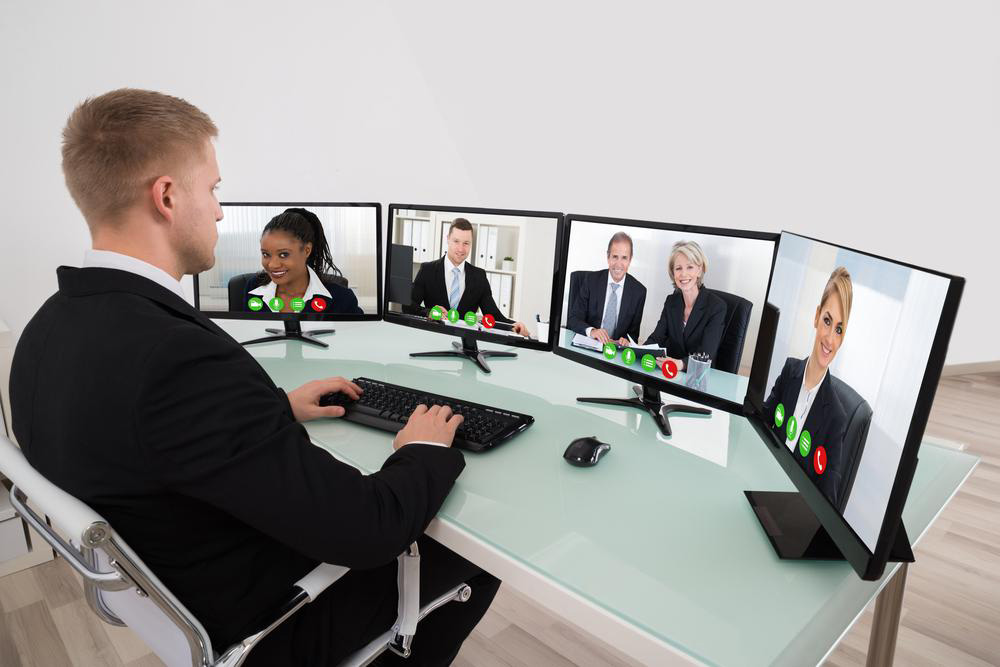
Video conferencing lacks spatial depth. Industries like design and healthcare adopt virtual spaces for 3D model manipulation and remote simulation. These immersive tools provide a sense of presence that overcomes isolation, enabling richer communication than standard video.
| Feature | Traditional Video | Immersive Virtual |
|---|---|---|
| Interaction Depth | Limited to audio/2D video; passive | Spatial interaction with 3D objects |
| Engagement | High Zoom fatigue | High focus via presence |
| Use Cases | Status updates, lectures | Design reviews, soft skills training |
| Non-Verbal Cues | Facial expressions only | Body language via avatars |
Automation Streamlining Routine Tasks
Modern platforms automatically handle task allocation, progress tracking, and workload balancing. This reduces manual check-ins and uneven work distribution. Companies see higher project completion rates as algorithms free human talent for creative and strategic work.
Small Teams, Big Impact
Digital tools enable small squads to outmaneuver larger competitors. Leaders stay involved in execution, while low coordination costs keep information flowing. Teams iterate faster and innovate without bureaucratic delays.
Essential Collaboration Tools for Startups
Popular Startup Collaboration Platforms in the United States: Slack, Trello, Asana, Monday.com. They streamline communication and project management.
Remote Teamwork Software for Distributed Teams: Zoom, Microsoft Teams. Enable video conferencing, chat, file sharing, increasing flexibility.
Key Features in Project Collaboration Tools: Task management, file sharing, real-time updates, integrations. Asana and Basecamp offer timelines and tracking.
Digital Teamwork Solutions to Improve Productivity: Google Workspace, Microsoft 365. Centralized platforms for seamless collaboration.
Online Productivity Platforms for Remote Work: Dropbox, Evernote. Cloud-based access from anywhere ensures continuity.
Keeping the Human Element in Automation
While tools organize data, they cannot replace human creativity. Over-reliance on AI risks skill erosion. Successful teams treat technology as a force multiplier: machines handle data and scheduling; humans handle empathy, ethics, and innovation. This balance creates quality silence for deep thought.