2025 Guide to Free Government Phones: Eligibility, Costs & Application Tips
Free government phone guide: eligibility, application steps, hidden costs & carrier tactics. Get a Lifeline phone without surprises.

What Is a Free Government Phone?
Free government phone programs, primarily through Lifeline, help low-income households afford basic cell service. This guide breaks down who qualifies, how to apply, what you actually get, and the hidden costs that can turn a ‘free’ offer into an expensive commitment.
Who Qualifies for Lifeline?
Eligibility is based on either household income or participation in a federal assistance program. Your total household income must be at or below 135% of the federal poverty guidelines. Alternatively, if you receive SNAP, Medicaid, SSI, or other qualifying aid, you automatically qualify in most states.
Documents Needed
Before applying, gather tax returns, benefit award letters, and proof of address. Having these ready speeds up verification and reduces delays.
How to Apply for a Government Phone
Check eligibility using the FCC’s National Verifier tool or your state’s Lifeline website.
Choose an approved provider in your state. Major participants include Assurance Wireless, SafeLink Wireless, and Q Link Wireless.
Submit required documents (copy of ID, income proof, program enrollment proof). You can apply online, by mail, or in person.
Wait for verification. Providers check your information against government databases, which usually takes a few days to two weeks.
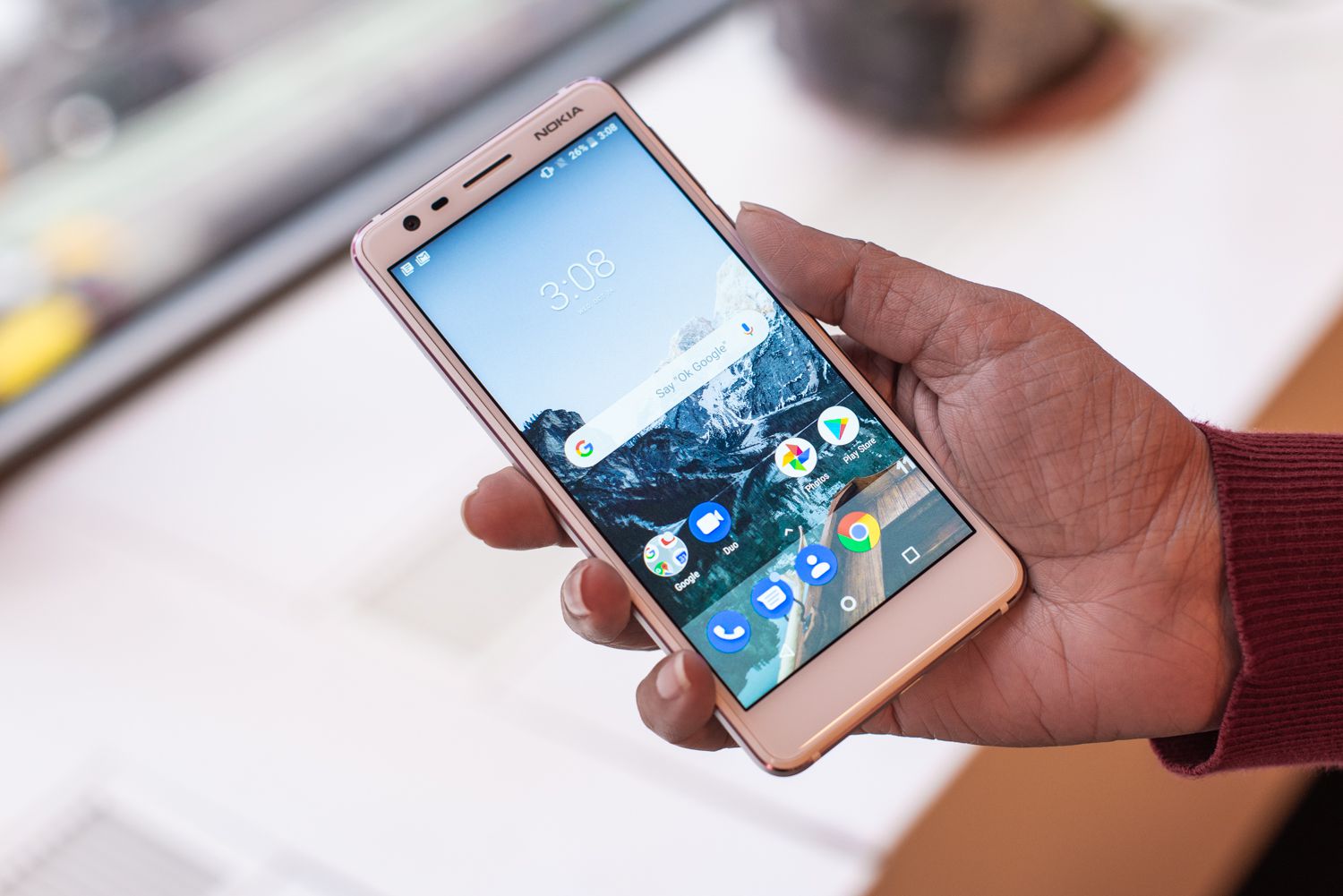
Receive your phone. If approved, you’ll get a basic smartphone and a monthly plan with unlimited talk and text plus a limited data allowance (typically 3–10 GB depending on the state and provider).
What the Free Plan Includes – and What It Doesn’t
Many assume ‘free’ means no costs at all, but carriers use several methods to recover expenses. Understanding these can help you avoid unpleasant bills.
Hidden Fees and Contract Traps
Even with a $0 upfront offer, you may face activation fees ($5–$20), monthly regulatory charges, or early termination penalties (up to $200) if you cancel before the contract ends. Always look for phrases like “no annual contract” or “month-to-month” to avoid being locked in.
Device Financing Installments
When a phone is advertised as ‘free with no upfront cost,’ the price is often folded into monthly installments over 24 months. This can add $15–$30 per month to your bill, sometimes exceeding the device’s retail value. Calculate the total cost over the full term before committing.
Credit Check and Deposit Requirements
Many no‑upfront plans require a credit check. A low score (below 600) can result in higher deposits ($50–$100) or outright denial. Hard inquiries may also temporarily lower your credit score. If your credit is poor, consider a prepaid or government‑subsidized plan that doesn’t require a credit check.
How Carriers Keep ‘Free’ Plans Profitable
Cell‑phone providers offset costs through several revenue streams:
Upselling premium tiers – Basic free plans often have only 2–4 GB of data. Many users upgrade to paid tiers for more data or faster speeds.
Data monetization – Some carriers collect anonymized browsing data or serve ads in exchange for keeping the plan free.
Mandatory add‑ons – You may be required to purchase insurance, a hotspot pass, or a streaming subscription. Ask the provider directly about any mandatory extras.
Bridging the Digital Divide: Why These Programs Matter
Free government phones reduce inequality by enabling job searches, online education, telehealth, and family communication. They help unemployed individuals apply for work, allow students to attend virtual classes, and connect seniors with healthcare providers. These programs also decrease social isolation among vulnerable populations.
Frequently Asked Questions
What features come with a free government phone plan? Plans typically include unlimited talk and text, a limited data allowance (e.g., 3–10 GB), voicemail, call waiting, and caller ID. Some providers offer free international calling to select countries or roaming. Check your state’s specific Lifeline provider for details.
How do I apply? Verify eligibility via the FCC National Verifier, select an approved provider, and submit proof of income, program enrollment, and ID. The provider reviews your application and ships the phone if approved.
What’s the difference between Lifeline and the ACP? Lifeline offers a monthly discount on phone/internet service plus a free basic phone. The Affordable Connectivity Program (ACP) gave up to $30 off broadband per month but closed to new enrollments in June 2024. Some states have additional programs.
Can I keep my current phone number? Yes, most providers allow number porting. Request your account number and PIN from your current carrier and provide them during the application process.
Are there any ongoing costs? The core monthly service is free for eligible households. Charges may apply for extra data, international calls, device replacements, or optional features like hotspot tethering. Upgrading to a premium phone adds monthly installments.
By understanding eligibility, application steps, hidden costs, and carrier strategies, you can confidently choose a plan that provides genuine value without unexpected bills.