Presbyopia Treatment Guide: Eyeglasses, Contacts, Surgery & Eye Drops
Explore presbyopia treatments: reading glasses, progressive lenses, multifocal contacts, LASIK, lens replacement, and emerging eye drops. Find the best solution for your vision.
Understanding Presbyopia
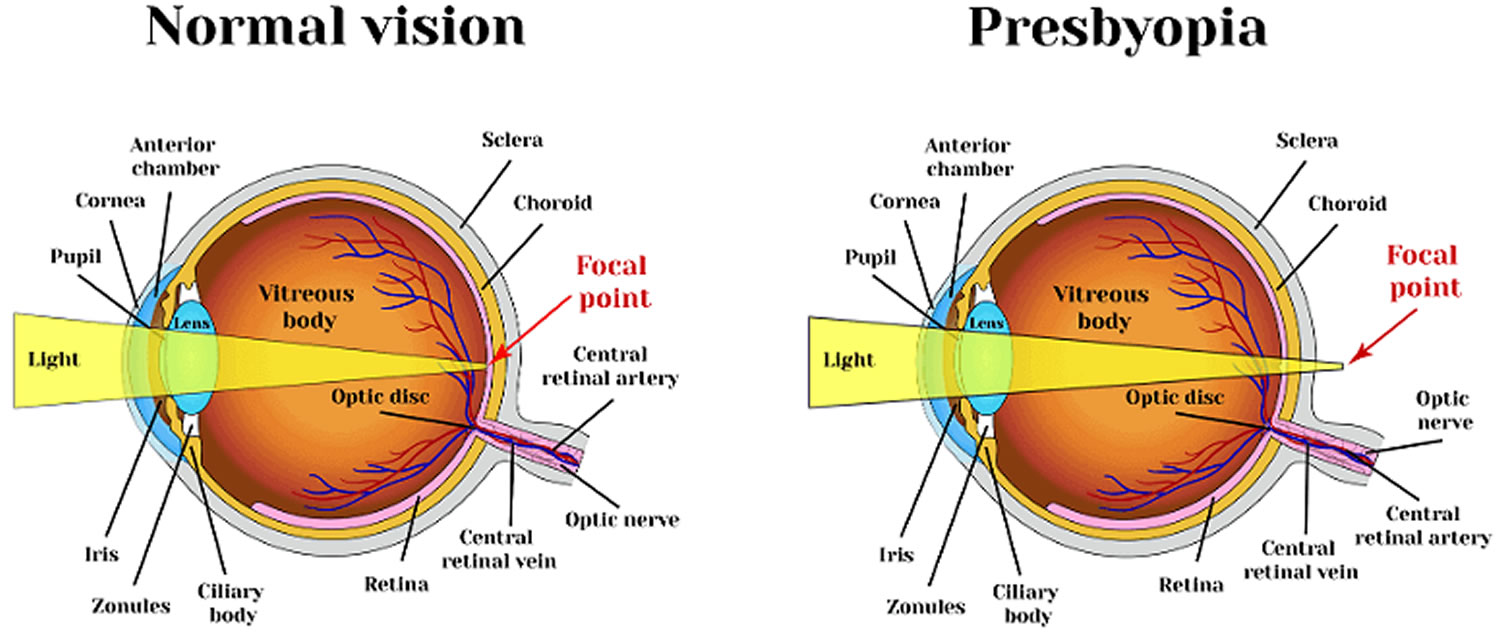
Presbyopia is an age-related vision change that typically begins around age 40. The eye's natural lens loses flexibility, making it difficult to focus on close objects. This normal aging process is not a disease but can affect daily activities like reading, using smartphones, or sewing. Common symptoms include blurry near vision, needing to hold reading material farther away, eye strain, headaches, and requiring brighter light for close work.
Eyewear Solutions for Presbyopia
Reading Glasses
Reading glasses are a simple, affordable fix for near tasks. They magnify close-up objects but are not suitable for distance use. They come in various strengths and can be purchased over the counter or prescribed.
Progressive Lenses
Also known as no-line bifocals, progressive lenses offer a seamless gradient of power for near, intermediate, and far vision. They require a short adaptation period but provide the convenience of a single pair for many presbyopia patients.
Multifocal Contact Lenses
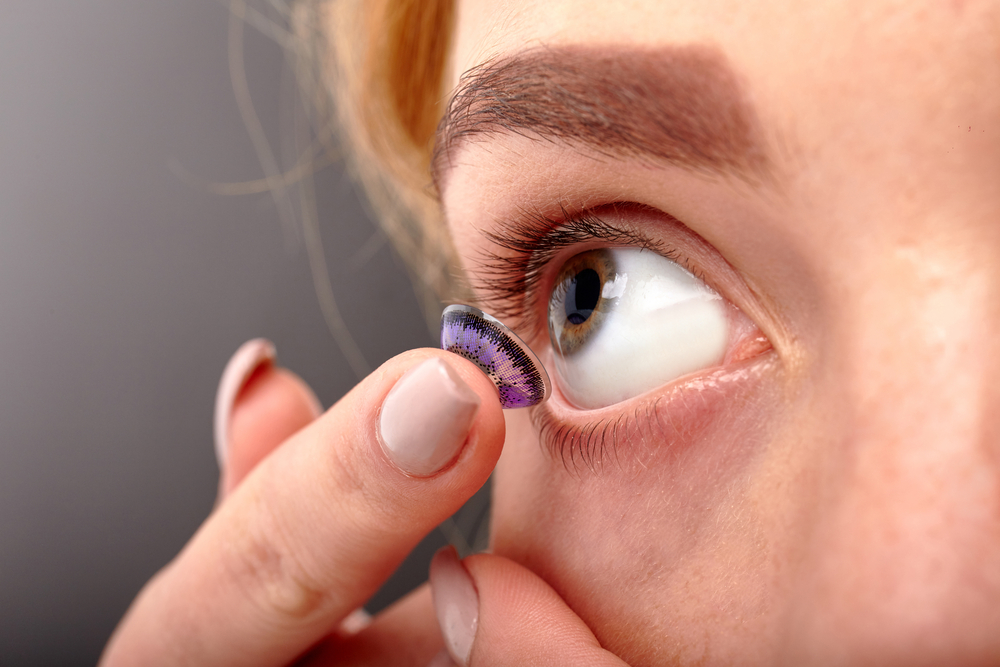
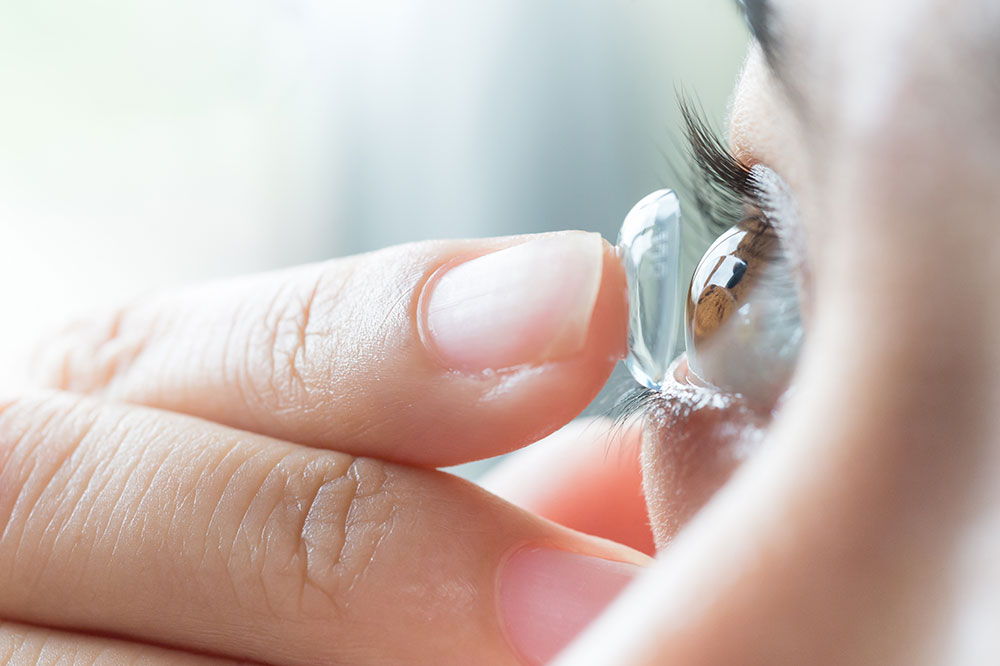
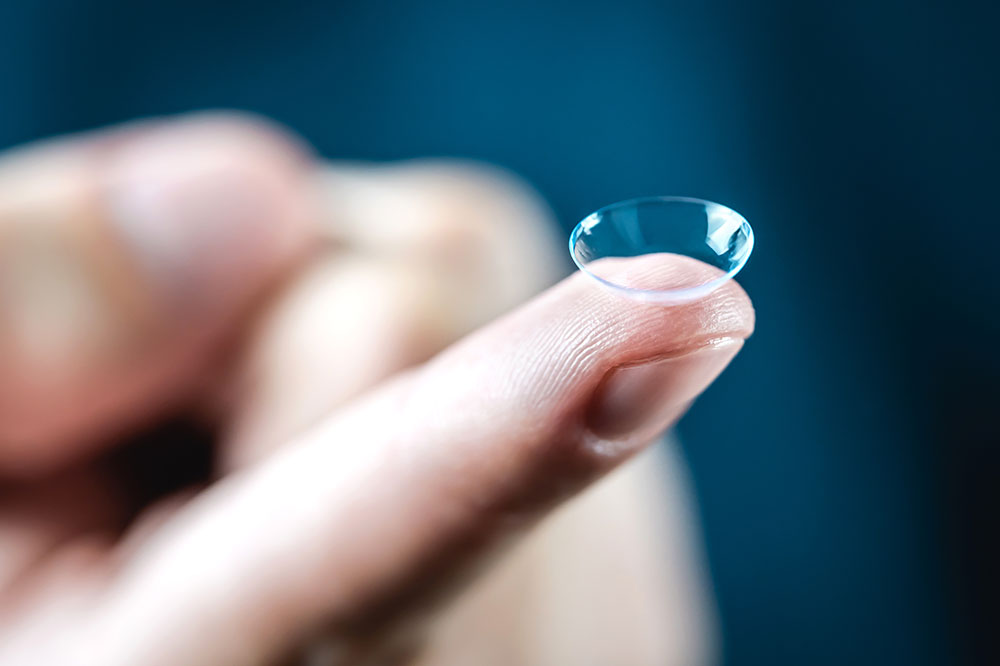
Multifocal contact lenses deliver clear vision at multiple distances without glasses. They come in simultaneous vision designs with multiple power zones and alternating vision designs. Popular brands like Alcon's DAILIES TOTAL1 Multifocal and Bausch + Lomb's Ultra for Presbyopia are known for comfort and effective correction. A professional fitting is essential to determine candidacy.
Surgical Options for Presbyopia
Refractive Surgery
Laser procedures such as monovision LASIK correct one eye for distance and the other for near. PresbyLASIK uses a multifocal corneal ablation pattern. Corneal inlays are small implants that reshape the cornea to improve near focus. Conductive keratoplasty uses radiofrequency to steepen the cornea for better near vision. Each option has specific candidacy criteria and potential risks.
Lens Replacement Surgery
Refractive lens exchange (RLE) replaces the natural lens with an artificial intraocular lens (IOL). Multifocal IOLs have multiple power zones for distance and near, while accommodating IOLs mimic natural focusing. This surgery is similar to cataract surgery and can also correct astigmatism. It offers a more permanent solution but carries higher risks, so careful consultation is needed.
Emerging Pharmacological Treatments
Eye drops for presbyopia represent a promising non-invasive approach. Miotic drops like pilocarpine-based solutions constrict the pupil to increase depth of focus, temporarily improving near vision. Lens-softening drugs aim to restore lens elasticity but are still under investigation. Always consult an eye doctor before using any new eye drops.
Low Vision Aids and Additional Help
For advanced presbyopia, low vision aids such as magnifying glasses, electronic reading aids, and digital magnifiers can enhance daily life. These tools enlarge text and improve contrast, making reading and close work easier even with corrective lenses.
Choosing the Right Option
The best treatment depends on your age, lifestyle, and eye health. A comprehensive eye exam is the first step to diagnose presbyopia and rule out other conditions. Discuss all options—eyewear, contacts, surgery, and emerging drops—with your eye care professional to create a personalized plan that keeps you seeing clearly at every distance.