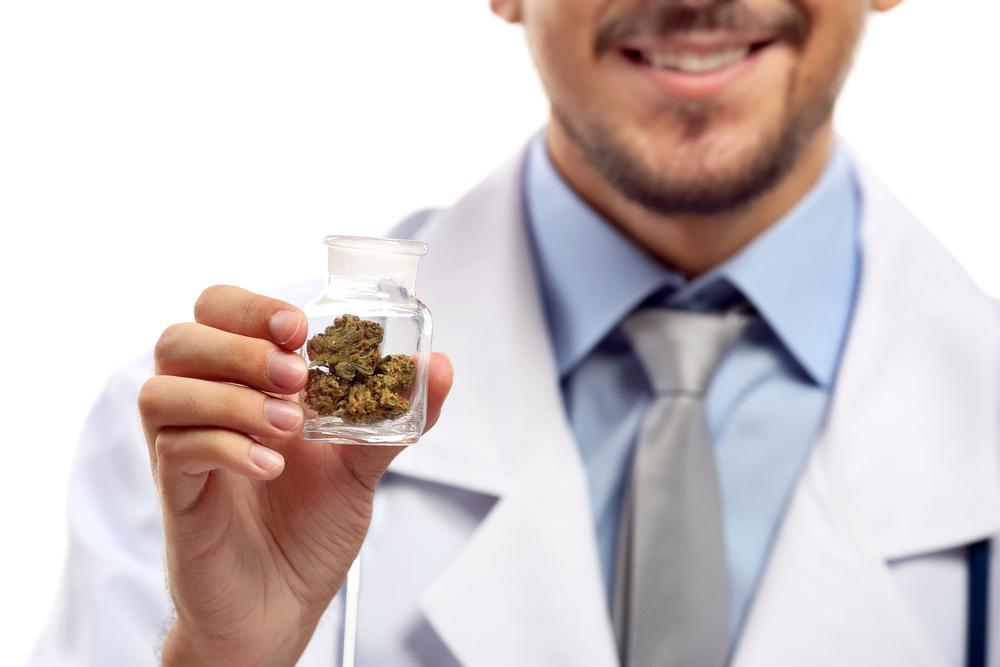
Medical Marijuana Clinical Trials: Navigating Regulations, Research Steps, and Patient Realities
Explore the legal, supply, and clinical challenges of medical marijuana trials, plus patient perspectives and key research stakeholders.

The Legal Divide: Federal vs. State Hurdles in Cannabis Research
Medical marijuana research holds promise for treating chronic pain, cancer symptoms, and neurological conditions, but researchers face a complex legal landscape. The core conflict stems from the gap between state permissiveness and federal prohibition—cannabis remains a Schedule I controlled substance under federal law. This blocks most federal funding and exposes researchers to legal risks even when their studies comply with state laws. Regulations also differ dramatically from state to state regarding licensing, cannabis sourcing, and dispensing. Legal counsel, such as attorney Jason T. Mayer, often becomes essential for interpreting evolving precedents and ensuring compliance.
Supply and Transport Obstacles
Moving cannabis across state lines is nearly impossible due to federal restrictions, limiting multi-site collaborations. Transport within a state requires special permits and security measures. The American Trucking Associations (ATA) has called on the Department of Transportation to clarify rules as rescheduling discussions progress. Securing standardized research-grade cannabis is another hurdle—products vary widely in potency and purity. For example, the University of Oklahoma’s study on cannabis use after head and neck cancer surgery used biochemical verification to confirm patient samples. Reports of pesticide contamination in retail cannabis further highlight the need for rigorous quality control and transparent labeling in research settings.
How a Clinical Trial Unfolds
Planning and Regulatory Approval
Trials begin with hypothesis development and protocol design. Researchers define objectives, eligibility criteria, dosing regimens, and control groups—often using placebos to isolate cannabis effects. Ethical safeguards such as informed consent and data confidentiality are integrated from the start. Approvals from institutional review boards and regulatory agencies are required before enrollment.
Execution and Monitoring
Participants receive treatment under close observation for safety and side effects. Data on symptom changes, adverse events, and other endpoints are collected regularly. Protocols can be adjusted mid-trial if unexpected issues arise.
Analysis and Knowledge Sharing
After data collection, statistical analysis compares outcomes between the cannabis and control groups. Findings are published in peer-reviewed journals, presented at conferences, and shared with healthcare providers to inform clinical practice and guide future research.
Key Stakeholders in Cannabis Clinical Trials
Principal investigators (PIs) design and oversee the study, often specializing in oncology, pain management, or neurology. Regulatory agencies at both state and federal levels shape the operational boundaries. Biotech companies are increasingly developing cannabinoid-based drugs, including potential treatments for opioid overdose. International collaborations broaden the knowledge base by pooling data from different legal environments.
What Patients Experience and Worry About
Patients enroll in cannabis trials seeking relief when conventional therapies fail. The University of Oklahoma study mentioned investigates how cannabis affects wound healing after head and neck cancer surgery—a critical area because many cancer patients self-medicate with cannabis. Beyond potential benefits, patients must navigate legal ambiguities. Drug policy debates and unclear protections can affect their rights and access. Product quality is another major concern: testing has found significant percentages of retail cannabis failing pesticide limits, underscoring the importance of rigorous quality control in trials to build trust.
Frequently Asked Questions
1. What does a principal investigator do in a cannabis clinical trial?
The PI manages every aspect of the trial—design, regulatory compliance, participant safety, data collection, and analysis—while upholding ethical standards.
2. How do regulations differ across trial phases?
Phase I focuses on safety and dosage with intense monitoring. Phases II and III emphasize efficacy and comparison with standard treatments, requiring larger datasets and stricter guidelines to produce reliable results.
3. What are a clinical trial sponsor’s responsibilities?
The sponsor initiates, funds, and oversees the trial, ensures regulatory compliance, provides resources, monitors progress, maintains data integrity, and communicates with regulators and the scientific community.