Complete Guide to Selling Gold: Key Price Drivers, Best Sales Channels, and Expert Tips for Maximum Returns
Learn what affects gold prices, how to sell for top dollar, and avoid common mistakes. Compare local buyers, online refiners, and more.
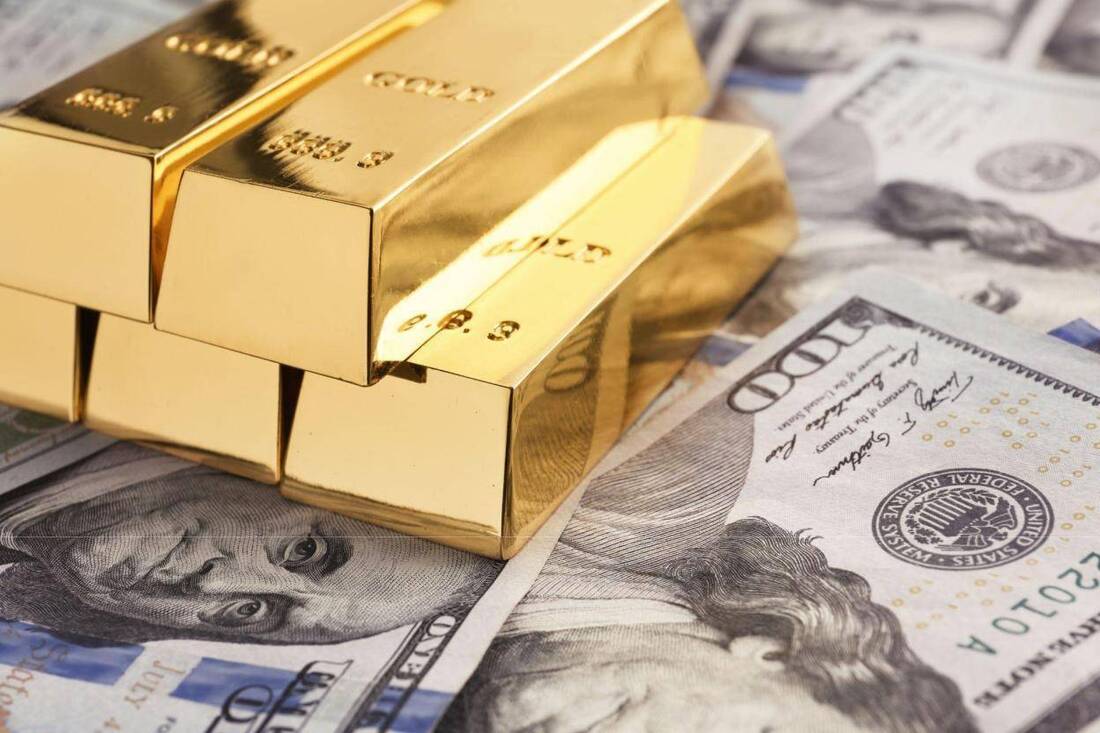
Key Factors That Influence Gold Prices
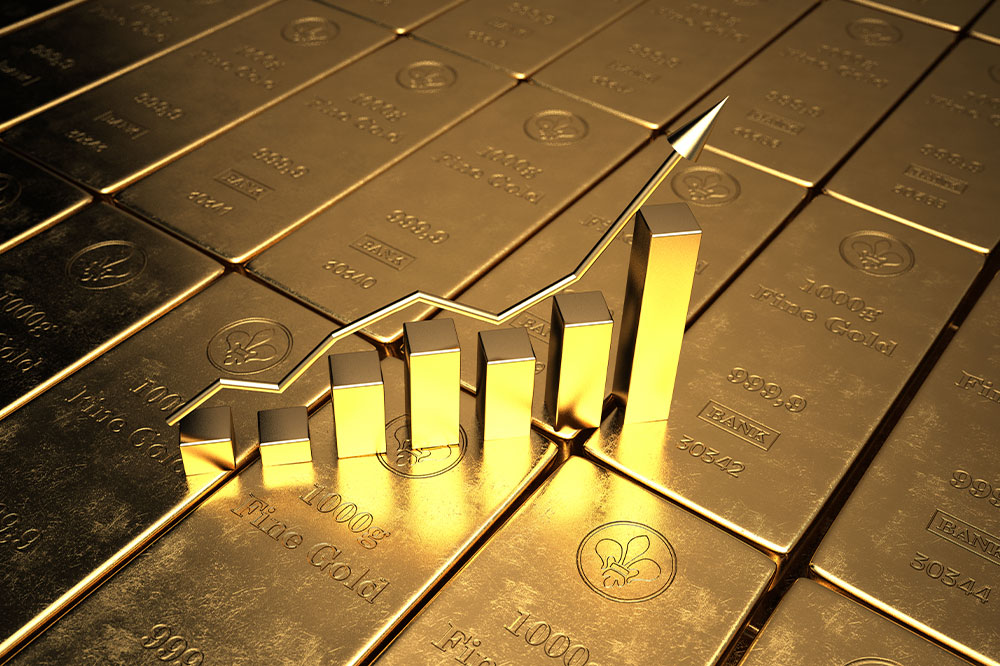
Gold's value shifts with economic, political, and market forces. Understanding these drivers helps you decide when to sell. The main factors are supply and demand, inflation, interest rates, and geopolitical instability.
Supply and Demand
Mining output, recycling rates, jewelry fabrication, and central bank purchases all affect the balance. When demand outstrips supply, prices rise. This fundamental principle drives all gold market movements.
Inflation
Gold is a classic hedge against rising prices. As inflation erodes fiat currency value, investors turn to gold to preserve purchasing power. Historically, gold maintains its value during high-inflation periods, pushing demand and price higher.
Interest Rates
Gold pays no interest or dividends. Low rates reduce the opportunity cost of holding gold, making it more attractive versus bonds or savings. High rates increase the appeal of income-producing assets, dampening gold demand.
Geopolitical Uncertainty
Crises such as wars, trade disputes, or political turmoil prompt safe-haven buying. This can spark sharp price spikes. Central bank activity and economic data also influence short-term moves.
Where to Sell Your Gold: Channel Comparison
The selling channel directly impacts the price you receive. Below is a comparison of common options with pros, cons, fees, and payment speed.
| Channel | Pros | Cons | Fees/Commission | Payment Speed |
|---|---|---|---|---|
| Local Gold Buyers | Immediate cash, face-to-face negotiation | Often below spot due to overhead | Built into offer, varies | Immediate |
| Online Gold Refiners | Competitive pricing, home pickup | Shipping risk, payment delay (1–10 days) | Typically lower than local | 1–10 business days |
| Jewelry Stores | Good for high-end or antique pieces | May value design over gold content | Appraisal-based, varies | Varies |
| Pawn Shops | Fast cash, minimal paperwork | Lowest offers, high interest if loan | High (if loan) | Immediate |
| Auction Sites | Potential for high bids from collectors | Listing fees, shipping, payment delays | Listing and final value fees | Varies |
Data sources: Kitco (2024), GoldPrice.org (2024), Consumer Reports (2025), eBay (2025), Jewelers of America (2024).
Local Gold Buyers
Instant payment and in-person negotiation. However, offers often lag spot price due to operating costs. Check multiple local buyers and read reviews before committing.
Online Gold Refiners
Mail-in services offer rates near spot, with free shipping kits. You send gold and get paid after assessment. Choose reputable refiners with insured shipping to minimize risk.
Jewelry Stores
For designer or antique pieces, stores may pay a premium for artistry. If your gold has aesthetic or historical value, this channel can be worthwhile.
Pawn Shops
Fastest cash but usually the lowest price. Only use if you need immediate money and accept a significant discount. Negotiate hard.
Auction Sites
Can fetch higher prices for rare or collectible gold. However, fees, shipping logistics, and listing time reduce net profit. Best for unique items.
How to Maximize Your Selling Return
Timing the Market
Monitor gold prices regularly. Sell when prices are high relative to recent trends, but also consider personal financial needs. Major economic announcements and geopolitical events often create exploitable price swings.
Knowing Your Gold
Accurately determine purity (karat) and weight. Use a precise scale and look for hallmarks. Professional XRF analysis provides exact composition, ensuring a fair price.
Negotiating Smartly
Come armed with current spot price data. Don't accept the first offer. Counter politely and be ready to walk away. Highlight any unique features to justify a premium.
Avoiding Common Pitfalls
Failing to Verify Purity
Assuming all gold is 24K is costly. Insist on professional testing before selling. Reputable dealers use XRF analyzers and share results. Lack of verification leads to undervaluation.
Ignoring Market Volatility
Gold prices can swing sharply. Buying or selling during a peak or trough without research reduces profit. Stay informed and avoid emotional decisions.
Overlooking Fees
Transaction costs—shipping, insurance, listing fees, commissions—eat into net. Always ask for a full cost breakdown and compare total expenses across channels.
Choosing Unreliable Dealers
Scams abound. Research dealers: check Better Business Bureau ratings, read recent reviews, verify physical addresses. Avoid anyone pressuring you or offering unrealistic prices.
Frequently Asked Questions
What factors influence gold prices most? Supply-demand dynamics, inflation, interest rates, and geopolitical uncertainty are primary drivers. Economic data and central bank policies also play roles.
Which selling channel gives the best price? Online gold refiners often provide highest payouts due to lower overhead, but account for shipping costs and risks. Local buyers offer speed but lower prices. Compare multiple offers.