Nursing & Caregiving Careers: Roles, Education Pathways, and Modern Challenges
Nursing and caregiving roles from CNA to APRN: education requirements, modern challenges like burnout, and solutions.
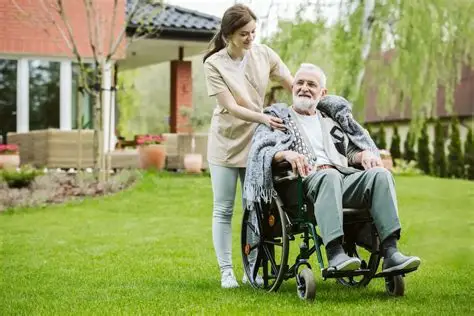
Overview of Nursing and Caregiving Careers
Nursing and caregiving are vital professions in healthcare, each demanding unique skills and deep commitment to patient well-being. This guide examines the distinct roles, educational routes, and current obstacles in these fields, providing valuable insight for aspiring professionals and those seeking care.
Educational Pathways: From CNA to APRN
Healthcare careers offer multiple entry points and advancement opportunities. Below are the main educational levels, from basic certification to advanced degrees.
Certified Nursing Assistant (CNA)
CNAs provide fundamental patient care under RN or LPN supervision. State-approved programs (4–12 weeks) combine classroom instruction and clinical practice, covering bathing, feeding, and vital sign monitoring.
Licensed Practical Nurse (LPN) / Licensed Vocational Nurse (LVN)
LPNs/LVNs handle more complex duties like medication administration and assisting with procedures. Requirements: a one-year practical nursing program and the NCLEX-PN exam.
Registered Nurse (RN)
RNs have a broader scope of practice. Educational routes: Associate Degree in Nursing (ADN – 2 years), Bachelor of Science in Nursing (BSN – 4 years), or hospital-based diploma programs. All must pass the NCLEX-RN. Many employers now prefer a BSN.
Advanced Practice Registered Nurse (APRN)
APRNs hold an MSN or DNP and specialize as Nurse Practitioners (NP), Certified Nurse Midwives (CNM), Clinical Nurse Specialists (CNS), or Certified Registered Nurse Anesthetists (CRNA). These roles involve diagnosing conditions, prescribing medications, and leading patient care.
Data source: National Council of State Boards of Nursing (NCSBN), 2024
| Educational Level | Typical Responsibilities |
|---|---|
| CNA | Basic patient care, assisting with daily living activities |
| LPN/LVN | Administering medications, monitoring patients, assisting RNs |
| RN (ADN) | Providing direct patient care, implementing care plans |
| RN (BSN) | Comprehensive patient care, leadership roles, critical thinking |
| APRN (MSN/DNP) | Advanced clinical practice, diagnosis and treatment, prescribing medications |
Roles and Responsibilities: Nurses vs. Caregivers
Although both professions focus on supporting individuals, they differ in training, scope, and work settings. Nurses undergo formal medical education and licensure, enabling them to administer medications, perform procedures, and develop treatment plans. Caregivers provide personal care and emotional support, often helping with daily activities like bathing, dressing, and meal preparation. Nurses typically work in hospitals, clinics, or nursing homes, while caregivers are common in private homes, assisted living facilities, and adult day care centers.
| Responsibility | Nursing | Caregiving |
|---|---|---|
| Medical Procedures | Administering medications, wound care, monitoring vital signs | Limited to personal care, assistance with daily living activities |
| Training Required | Formal nursing education and licensing | On-the-job training or certification programs |
| Work Settings | Hospitals, clinics, nursing homes | Private homes, assisted living facilities, adult day care centers |
Data source: Bureau of Labor Statistics, 2024
Modern Challenges and Solutions in Caregiving
Today's caregiving environment faces pressing issues that require innovative responses to maintain quality care and caregiver well-being.
Staffing Shortages and Training
An aging workforce and demanding conditions contribute to staffing gaps. Solutions include competitive wages, comprehensive training programs, flexible schedules, and retention initiatives.
Technological Integration
Telehealth, remote monitoring, and electronic health records improve care delivery but require proper training. These tools can reduce hospital readmissions and enhance outcomes.
Financial Strain and Resource Allocation
The cost of caregiving burdens many families. Government subsidies, tax incentives, long-term care insurance, and community-based services can ease financial pressure. Respite care programs also help caregivers avoid burnout.
Emotional and Physical Burnout
Caregiving can lead to exhaustion. Support systems such as counseling, peer groups, stress management workshops, and self-care initiatives are vital to sustaining caregiver well-being.
Ethical Dilemmas
End-of-life decisions and patient autonomy often raise ethical questions. Clear guidelines, ethics consultations, and shared decision-making frameworks help caregivers navigate these challenges while respecting patient values.
| Challenge | Solution |
|---|---|
| Staffing Shortages | Competitive wages, comprehensive training, flexible work schedules |
| Financial Strain | Government subsidies, long-term care insurance, community-based services |
| Emotional Burnout | Counseling services, peer support groups, stress management workshops |
Data source: National Caregiver Alliance, 2024
Frequently Asked Questions
What is the main difference between a nurse and a caregiver?
Nurses have formal medical training and can perform procedures and administer medications. Caregivers focus on personal care and emotional support, often without extensive medical qualifications. Work settings also differ: nurses in hospitals/clinics, caregivers in homes/assisted living.
What educational paths lead to a nursing career?
Paths include CNA (4–12 weeks), LPN/LVN (1 year), RN via ADN (2 years) or BSN (4 years), and APRN (MSN or DNP). Each level increases responsibility and requires specific licensure exams.
How is technology changing patient care?
Technology such as AI diagnostics, telehealth, robotic surgery, electronic health records, and 3D printing improves accuracy, accessibility, and personalization of care. Adequate training is essential for effective use.
What are the biggest challenges in caregiving today?
Major challenges include staffing shortages, financial strain, caregiver burnout, technological adaptation, and ethical dilemmas. Solutions involve better compensation, support services, and clear policies.