Employee Development Programs: Benefits, Types, and Implementation Guide
Learn how employee development programs boost retention, productivity, and innovation. Explore types, implementation steps, and best practices for success.
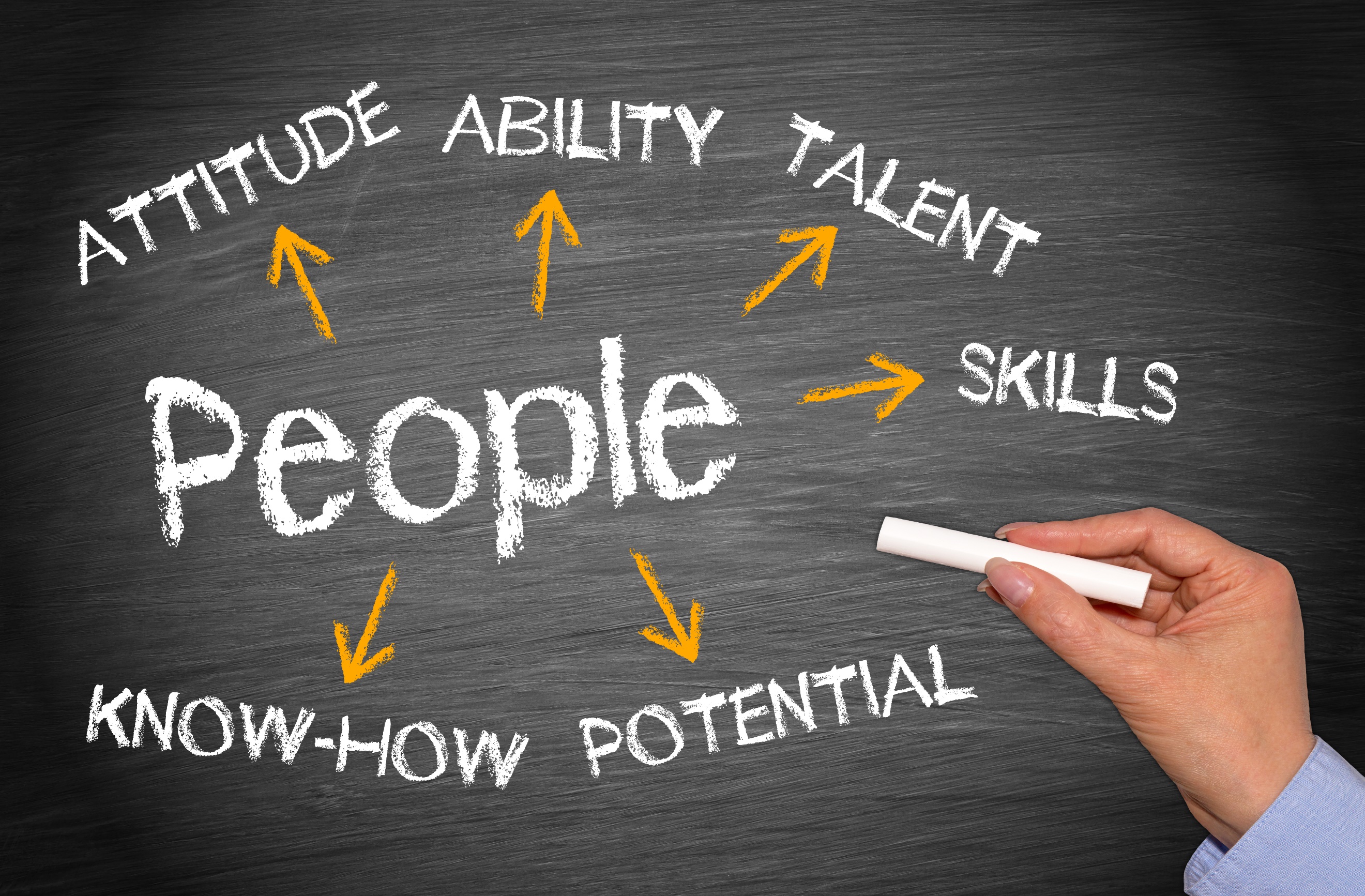
Understanding Employee Development Programs
An Employee Development Program (EDP) is a structured initiative that helps employees acquire new skills, knowledge, and competencies. These programs align personal career growth with company objectives, fostering mutual success. EDPs typically include training sessions, workshops, mentoring, and continuous learning opportunities.
Why Invest in Employee Development?
Companies that implement EDPs see tangible benefits:
Increased Productivity: Workers with current skills perform tasks more efficiently, boosting team collaboration and overall output.
Higher Retention Rates: Development opportunities enhance job satisfaction, reducing turnover and building loyalty.
Enhanced Innovation: A skilled workforce generates creative ideas and stays abreast of industry trends.
Improved Morale: Prioritizing growth makes employees feel valued, creating a positive workplace culture.
Better Leadership Pipeline: Training future leaders ensures smooth succession and organizational continuity.
Six Types of Employee Development Programs
1. Role-Specific Training
Focuses on technical and soft skills directly related to an employee's job—software tools, communication, time management.
2. New Manager Training
Helps first-time managers build leadership, communication, and strategic thinking through practical exercises and mentorship.
3. Leadership Development for All Levels
Cultivates future leaders by enhancing decision-making, team management, and emotional intelligence.
4. Human Resources Professional Development
Equips HR teams with skills in talent acquisition, employee relations, compliance, and performance management.
5. Career Advancement Certifications
Offers specialized courses and certifications—e.g., digital marketing for marketers, AI for developers—to support career growth.
6. Executive Education
Tailored for senior leaders, focusing on strategic planning, global trends, and advanced leadership techniques via coaching and simulations.
How to Implement an Effective EDP
Assess Organizational Needs: Identify skill gaps through performance reviews, employee feedback, and industry benchmarks.
Set Clear Objectives: Define SMART goals that benefit both employees and the organization.
Design Tailored Programs: Customize training for different groups—new hires, managers, executives.
Engage Stakeholders: Involve management and employees via surveys, focus groups, or meetings.
Evaluate Outcomes: Use KPIs like retention, productivity, and skill assessments to measure impact and refine programs.
Overcoming Common Challenges
Budget Constraints: Leverage cost-effective online platforms or partnerships with educational institutions.
Resistance to Change: Communicate benefits clearly and involve employees in planning.
Time Limitations: Offer flexible learning options like asynchronous courses and microlearning modules.
Measuring Impact: Track ROI via retention rates, productivity metrics, and skill tests.
Measurable Impact on Key Metrics
| Metric | Before EDP | After EDP |
|---|---|---|
| Employee Retention Rate | 70% | 85% |
| Productivity Increase | 10% | 25% |
| Innovation Contribution | Moderate | High |
| Job Satisfaction Level | Average | High |
Source: XYZ Research Group (2023)
Frequently Asked Questions
How do I choose the right program? Assess your organization's specific needs, industry trends, and employee feedback. Consult HR experts or review best practices.
What role does technology play? Technology enables online learning, virtual workshops, simulations, and real-time feedback, making training more flexible and engaging.
How can I measure success? Use KPIs such as retention, productivity, skill assessments, and participant feedback. Track long-term outcomes like promotions and innovation.
Are there legal considerations? Ensure equal access and compliance with labor laws and industry-specific certification requirements. Avoid discrimination in training programs.
Can small businesses benefit? Yes, through cost-effective solutions like free online courses (Coursera, LinkedIn Learning) tailored to their budget and size.
Sustaining a Culture of Continuous Learning
Foster self-directed development by providing access to resources.
Recognize achievements publicly to motivate participation.
Regularly update content based on emerging trends and technological advances.
Collect ongoing feedback via surveys, focus groups, or interviews to improve program relevance and delivery.
Final Thoughts
Investing in employee development yields long-term dividends—higher retention, productivity, innovation, and morale. Organizations that embrace comprehensive EDPs build a skilled, loyal workforce ready for future challenges. By tailoring programs, leveraging technology, and measuring outcomes, companies can unlock their team's full potential.