FEHB Guide: Federal Employees Health Benefits Program Explained
Learn about the FEHB program: eligibility, enrollment, premiums, coverage, and how to choose the right plan for federal employees and retirees.
Overview of the FEHB Program
The Federal Employees Health Benefits (FEHB) Program, managed by the U.S. Office of Personnel Management (OPM), offers health insurance to federal employees, retirees, and their dependents. Plans include HMOs, PPOs, and HDHPs paired with HSAs, designed to provide affordable, quality healthcare for the federal workforce.
What Services Are Covered?
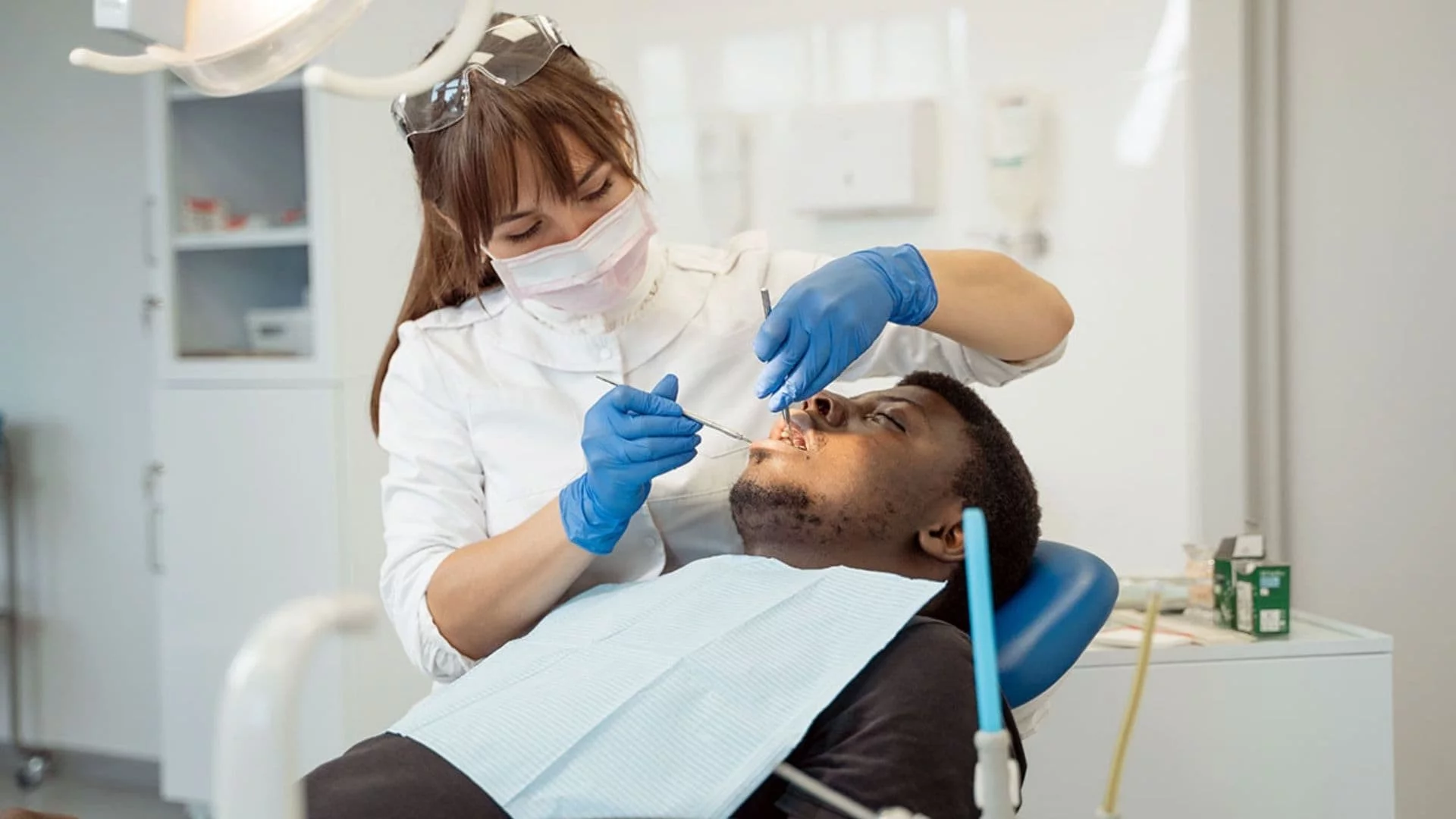
FEHB plans cover a wide range of medical services: inpatient and outpatient hospitalization, physician visits, preventive care (screenings, check-ups, immunizations), prescription drugs, mental health care, maternity and newborn services, and emergency care. Some plans may offer alternative therapies like acupuncture or chiropractic, plus additional dental or vision benefits. Always check individual plan details for specific exclusions or limits.
Eligibility Requirements
Eligible individuals include active federal employees (full-time or part-time, generally after a one-year probationary period), federal retirees (must have been enrolled in FEHB for at least five years before retirement), and family members such as spouses and dependent children under age 26. For complete eligibility criteria, refer to OPM guidelines.
Enrollment Windows and Process
Annual Open Season runs from early November to mid-December. During this period, eligible individuals can enroll, switch plans, or change coverage levels. Active employees enroll through the federal payroll system; retirees use OPM Retirement Services Online. Outside Open Season, changes require a Special Enrollment Period triggered by qualifying life events like marriage, birth, or loss of other coverage.
How Premiums Work
The federal government pays roughly 70% of FEHB premiums, with employees covering the remaining 30%. Contributions can vary by plan and salary—higher-income employees may pay a larger share, while lower-income employees pay less. For example, a $100 monthly premium would cost the employee about $30 after the government's $70 contribution.
Choosing the Best Plan for Your Needs
Evaluate your family's healthcare needs, preferred providers (check network), total costs (premiums, deductibles, copays, out-of-pocket maximums), and plan type (HMO, PPO, HDHP). Use OPM's FEHB Plan Comparison Tool to compare plans side by side. Review provider directories and plan summaries before making a decision.
Continuing Coverage into Retirement
One major advantage of FEHB is the ability to continue coverage into retirement. Retirees who were enrolled for at least five consecutive years before retirement can maintain their coverage. Although the government no longer contributes to premiums for retirees, rates are often lower than for active employees due to age and cost adjustments.
FEHB vs. FEDVIP: Dental and Vision
The Federal Employees Dental and Vision Insurance Program (FEDVIP) is separate from FEHB. While FEHB covers medical services, FEDVIP covers only dental and vision care. Enrollment in FEDVIP occurs during the same Open Season, but enrollees pay the full premium—no government contribution. You can enroll in either or both programs.
FAQs
Can I change plans outside Open Season?
Generally only during Open Season or after a qualifying life event that triggers a Special Enrollment Period.
Are dental and vision covered by FEHB?
No, those require separate enrollment in FEDVIP.
What happens if I leave federal service before retirement?
You may be eligible for Temporary Continuation of Coverage (TCC) for up to 18 months, paying the full premium plus a 2% administrative fee.
How does Medicare work with FEHB?
Retirees with Medicare can have FEHB as secondary coverage—Medicare becomes the primary payer, helping cover gaps.
Is there a waiting period for pre-existing conditions?
No, FEHB plans provide immediate coverage without pre-existing condition waiting periods.