Commercial Refrigeration: Types, Installation Costs & Maintenance Guide
Learn about commercial refrigeration types, installation costs, and maintenance tips. Find the right walk-in cooler for your business.
Why Commercial Refrigeration Is Essential
For food service, grocery stores, and restaurants, reliable refrigeration preserves perishable goods, ensures food safety, and controls costs. Choosing the right unit, planning installation, and scheduling maintenance directly impact long‑term efficiency and profitability.
Common Types of Commercial Refrigeration Equipment
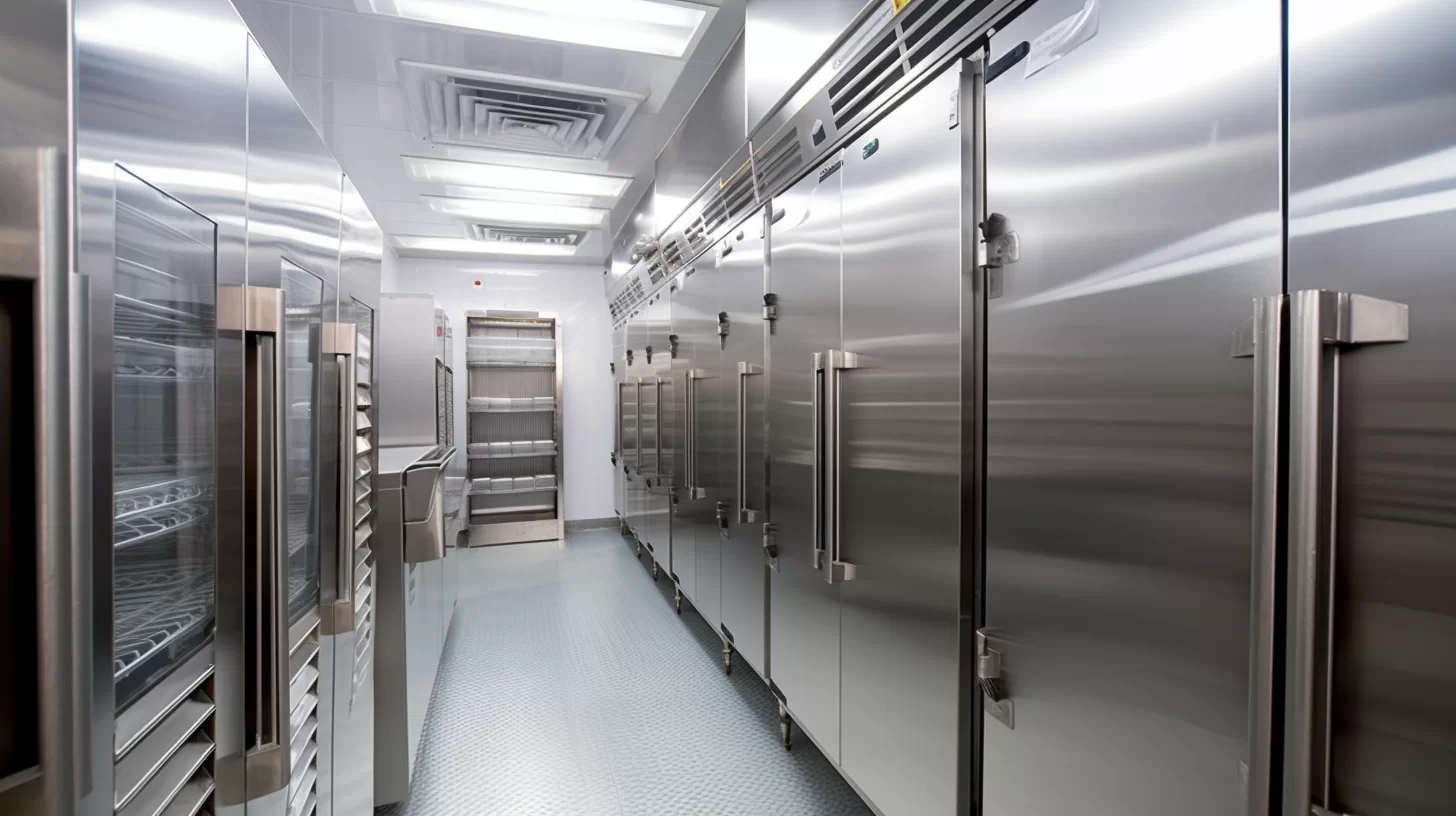
Walk‑In Coolers
These large refrigerated spaces maintain 34°F–40°F (1.1°C–4.4°C) for produce, dairy, meats, and prepared foods. Proper installation is vital for code compliance and energy savings.
Walk‑In Cooler/Freezer Combos
A single unit split into a cooler section (34°F–40°F) and a freezer section (-10°F–0°F). Ideal for limited spaces, eliminating the need for two separate systems while offering flexible temperature zones.
Reach‑In Refrigerators, Undercounter Units & Display Cases
Reach‑ins allow quick access to ingredients; undercounter models fit tight kitchens; display cases keep products visible at optimal temps. Each serves different operational needs from kitchen workflow to retail merchandising.
How to Select the Right Equipment
Key Factors to Consider
Size & Capacity: Match dimensions and storage volume to your space and inventory to avoid waste.
Energy Efficiency: Look for Energy Star certification, advanced insulation, and efficient compressors to lower utility bills.
Manufacturer Reputation: Read reviews, check reliability records, and seek industry referrals.
Maintenance & Support: Choose models with accessible parts and easy cleaning capabilities.
Warranty: Prefer comprehensive warranties with responsive customer support.
Walk‑In Cooler Installation: Step‑by‑Step
Site Assessment: Measure space, verify structural integrity, and ensure ventilation.
Design Planning: Customize layout, insulation, and shelving; follow local building codes.
Panel Assembly: Build the cooler from insulated panels (polyurethane foam between metal or fiberglass).
Refrigeration Setup: Connect evaporator, condenser, compressor, and controls.
Final Inspection: Test temperatures, check for leaks, and confirm code compliance.
Cost Breakdown for Standard Walk‑In Cooler Installation
| Component | Estimated Cost Range |
| Cooler Panels | $3,000–$5,000 |
| Refrigeration Unit | $2,000–$4,000 |
| Installation Labor | $1,000–$2,500 |
| Additional Features | $500–$2,000 |
Total average cost: $6,000–$10,000. Larger or custom units cost more; small retrofits may be less.
Essential Maintenance Tips for Longevity
Regular Inspections
Check door seals, monitor temperature fluctuations, and listen for unusual noises. Early detection of refrigerant leaks, compressor faults, or damaged insulation prevents costly repairs.
Cleaning Protocols
Clean interior surfaces to prevent bacteria growth. Vacuum condenser coils and empty evaporator drain pans regularly to ensure efficient heat transfer.
Professional Servicing
Schedule annual inspections by a qualified technician. Professional checks can optimize performance and extend equipment lifespan (typically 10–20 years with good care).
Frequently Asked Questions
How long does a commercial refrigeration unit last?
With proper maintenance, units typically last 10–20 years. Quality, usage, and service frequency are key factors.
Can I retrofit an existing cooler with a new refrigeration unit?
Yes, retrofitting is possible. Consult a pro to confirm compatibility with your current panels. It can be a cost‑effective upgrade.
What should I do if my cooler stops working?
First check power connections and thermostat settings. If the problem continues, call a technician immediately to prevent spoilage and damage.
Final Thoughts
Investing in the right commercial refrigeration system—combined with proper installation, routine maintenance, and energy‑efficient choices—ensures long‑term reliability and cost savings. Understanding your options and planning ahead protects perishable inventory and streamlines daily operations.