DNA of 3,600-Year-Old Cheese in Tarim Basin Reveals Ancient Kefir and Probiotic Evolution
DNA from the oldest cheese (3,600-year-old) reveals ancient kefir made from goat and cattle milk, and probiotic evolution.
Discovery of the World's Oldest Cheese in Xinjiang
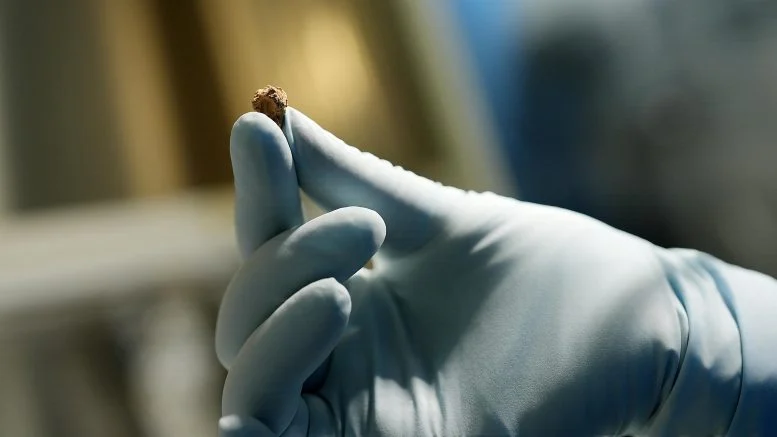
Archaeologists at the Xiaohe cemetery in China's Xinjiang region uncovered remarkably preserved mummies and grave goods over a decade ago. Among the artifacts were fragments of cheese, now confirmed as the oldest known cheese samples, dating back up to 4,000 years. The mummies, naturally preserved, were accompanied by woven textiles, felted garments, and boat-shaped burial pits. Recent DNA extraction from these cheese remnants, published in the journal Cell, has provided unprecedented insights into the dietary habits of the Xiaohe people.
DNA Analysis Reveals Ancient Kefir Production
Genetic analysis showed the cheese was produced from both goat and cattle milk. The microbial composition, including Lactobacillus kefiranofaciens and Pichia kudriavzevii, confirmed it as a fermented kefir, similar to modern kefir. Interestingly, the Xiaohe people maintained separate batches for each animal milk, unlike traditional Middle Eastern or Greek practices that often combine milks. This distinct technique sheds light on the unique culinary methods of this ancient desert society.
Cultural and Technological Insights from the Xiaohe Mummies
The Xiaohe mummies have long fascinated researchers due to their genetic isolation and diverse cultural signals in burial practices. The adoption of cheese-making technology indicates that despite isolation, the Xiaohe people were receptive to new ideas. This discovery enhances our understanding of how they adapted to and interacted with their arid environment.
Evolution of Probiotic Bacteria Over 3,600 Years
The ancient cheese DNA provided a rare look at how probiotic bacteria evolved over millennia. The Lactobacillus kefiranofaciens strain from the Xiaohe cheese shows deep roots in the Tibetan Plateau, contrasting with the widely used Russian strain in modern dairy production. This finding highlights a long-standing tradition of microbial culture use in fermentation and offers a historical timeline for the spread of beneficial bacteria.
Implications for Ancient DNA Research and Modern Science
This successful sequencing opens new avenues for studying ancient foods and their microbial communities. By analyzing early fermentation microorganisms, scientists can reconstruct historical dietary practices and trace the development of food technologies. The research underscores the power of ancient DNA studies to reveal complex cultural and biological interactions. As similar studies expand, we can anticipate deeper knowledge of how fermented foods have shaped human health and cuisine throughout history.