Ford Pivots to Hybrids: Addressing Range Anxiety and Cost Concerns with a Revised EV Strategy
Ford shifts EV strategy toward hybrids to address range anxiety and cost concerns. Learn about the financial impact, battery focus, and future plans.
Ford Overhauls Electric Vehicle Roadmap
Ford Motor Company is reshaping its approach to electrification, placing greater emphasis on hybrid vehicles as a practical bridge between traditional combustion engines and full battery-electric models. The automaker acknowledges that consumer hesitation—driven by range anxiety and high upfront costs—requires a more flexible product lineup. By expanding hybrid options, Ford aims to offer drivers extended range and improved fuel economy without the commitment of a pure EV.
Why Hybrids Now?
The decision reflects shifting market realities. While Ford continues to invest in all-electric technology, the company sees hybrids as an immediate solution to address consumer concerns. Hybrids combine a gasoline engine with an electric motor, reducing reliance on charging infrastructure while lowering emissions and fuel expenses. This middle-ground approach appeals to buyers who are not ready to switch entirely to EVs.
Financial Implications of the Strategic Shift
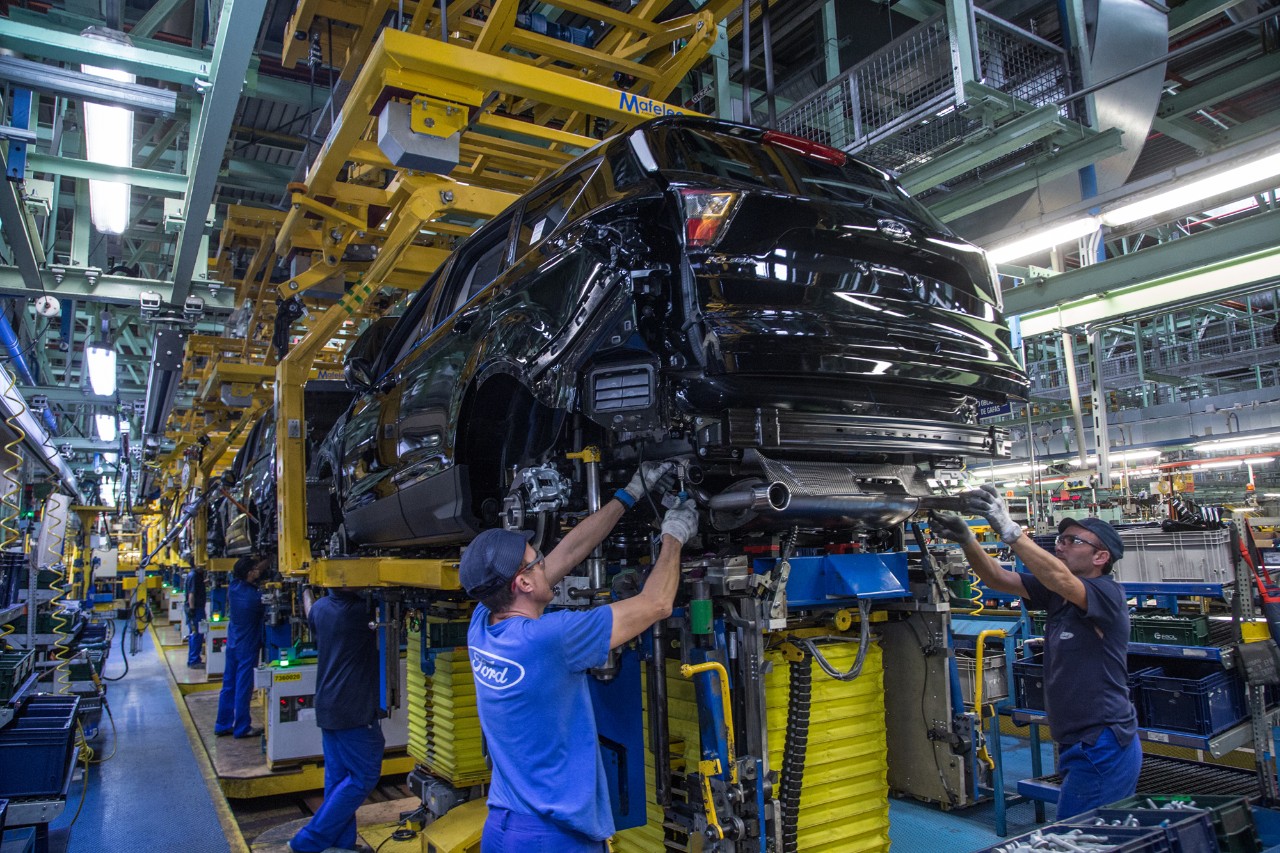
Revising production plans comes at a significant cost. Ford expects to write down more than $400 million in manufacturing equipment tied to canceled all-electric SUV plans. The total financial impact could surpass $1.5 billion as the company retools factories and adjusts its supply chain. To mitigate these expenses, Ford is cutting the share of capital spending allocated to pure EVs from 40% to 30%, redirecting funds toward hybrid development and more efficient production methods.
Affordable Batteries Remain Key
CEO Jim Farley has made affordability a cornerstone of the new strategy, stating, "An affordable electric vehicle starts with an affordable battery." Ford is working to reduce battery costs through better sourcing and manufacturing efficiencies. Lower battery prices are essential to making EVs accessible to a wider audience and ensuring long-term profitability.
Competitive Landscape and Future Products
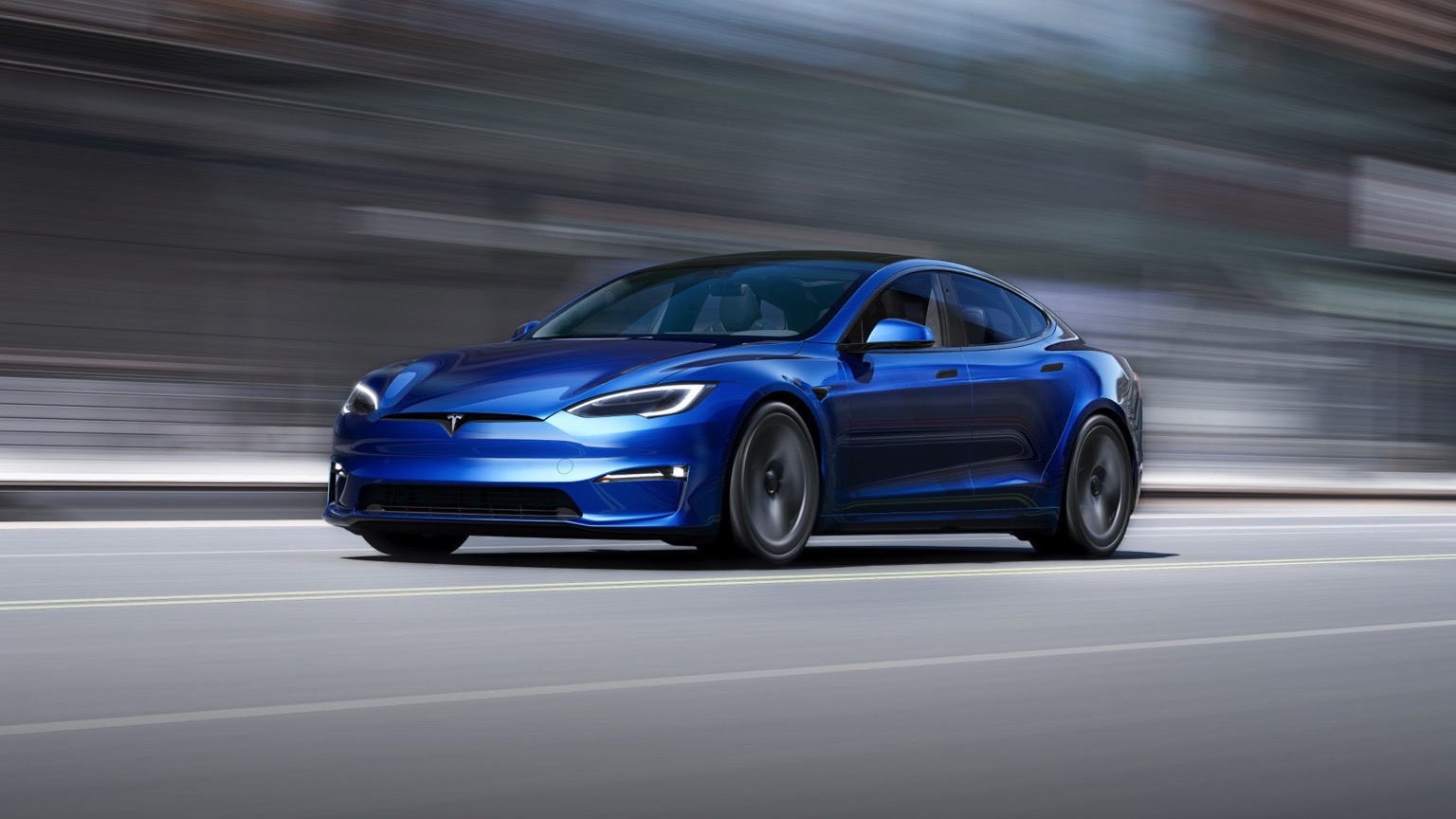
Although Ford trails Tesla in EV market share, the F-150 Lightning has become the best-selling electric truck in the United States. Hybrids are gaining popularity, further validating Ford's pivot. Looking ahead, the company plans to launch an electric commercial van in 2026 to compete with Rivian, which has a strong partnership with Amazon. Additionally, "Project T3"—a next-generation electric truck slated for 2027—will feature bi-directional charging and enhanced aerodynamics to strengthen Ford's competitive position.
Balancing Options for Sustained Growth
Ford's revised strategy is a pragmatic response to current market conditions. By offering a diverse lineup of hybrids and advanced EVs, the company seeks to maximize consumer choice while navigating the complexities of the electric transition. This balanced approach positions Ford to adapt to evolving demand and regulatory pressures, supporting long-term growth in a rapidly changing industry.