Property Valuation and Rental Management: A Comprehensive Guide for UK Owners
Learn home valuation methods (SCA, Cost, Income) and rental management tips. Discover key factors affecting property value and common challenges.

Property Valuation Methods Explained
Accurately estimating a property's market worth is fundamental to successful real estate transactions. Three widely recognised approaches help valuation professionals arrive at a fair and objective price. Each method suits different property types and situations.
The Sales Comparison Approach (SCA)
For most residential homes, the Sales Comparison Approach (SCA) is the preferred technique. It involves comparing the subject property with recently sold similar homes, known as 'comps'. Valuers adjust the comps' sale prices for differences in size, condition, features, and location to derive an estimated value for the subject home. This method works best when there are enough recent comparable sales in the area.
The Cost Approach
The Cost Approach estimates the expense of reconstructing the property from scratch, then subtracts accrued depreciation—due to physical wear, functional obsolescence, or external factors—and adds the land value. This method is especially useful for new constructions, unique properties, or homes in areas with few comparable sales. It provides a solid baseline when market data is limited.
The Income Approach
Primarily used for rental and investment properties, the Income Approach determines value by dividing the net operating income (NOI) by the capitalization rate (cap rate). The cap rate reflects the expected return on investment based on comparable properties. This method directly ties property value to its income-generating potential, making it ideal for commercial and residential income assets.
Top Factors That Shape Your Home's Market Value
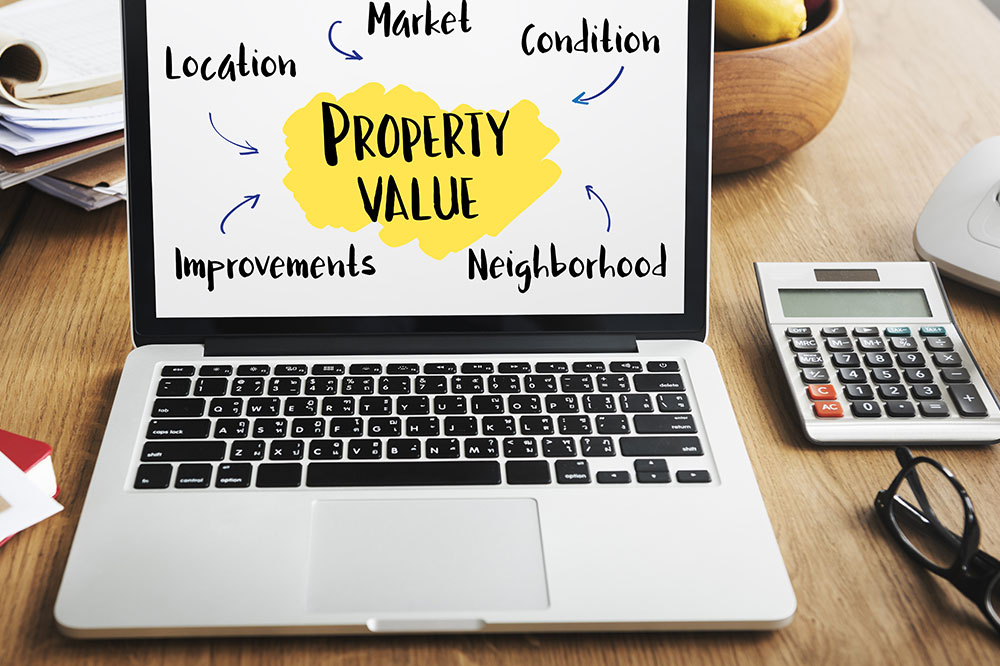
Several elements combine to influence a property's worth. Understanding these factors helps owners make strategic improvements and set realistic expectations when selling or investing.
Location and Neighbourhood
Location remains the most influential factor. Properties near quality schools, low crime areas, parks, shopping centres, and employment hubs consistently command higher prices. Desirable neighbourhoods with good transport links and community amenities boost value significantly.
Property Size, Age, and Condition
Livable square footage, number of bedrooms and bathrooms, and overall layout directly affect valuation. Functional, well-designed floor plans are in high demand. While newer homes may have an advantage, a well-maintained older property with modern updates can compete effectively. Regular upkeep, such as painting, roofing, and HVAC servicing, preserves value.
Improvements and Broader Market Trends
Strategic upgrades—like kitchen and bathroom remodels, energy-efficient installations (solar panels, double glazing), or adding living space (finished basements, decks)—can increase a home's market appeal and value. Wider economic conditions also play a role: interest rates, housing inventory, and local employment trends influence whether it's a seller's or buyer's market, directly affecting price levels.
Key Challenges in Rental Property Management
Managing rental properties requires a proactive and organised approach. Effective strategies minimise vacancies, control costs, and foster positive landlord-tenant relationships.
Tenant Screening Best Practices
Thorough tenant screening reduces the risk of late payments, property damage, and legal disputes. Conduct credit checks, verify employment and income, contact previous landlords, and check references. A consistent, legally compliant process helps select reliable tenants who respect the property and pay rent on time.
Maintenance and Financial Management
Regular property inspections and prompt attention to repairs prevent small issues from becoming costly problems. According to a 2024 HomeAdvisor report, proactive maintenance can lower long-term repair costs by up to 25%. Clear rent collection policies, online payment options, and diligent financial record-keeping ensure stable cash flow and simplify tax reporting.
Legal Compliance and Communication
Staying up to date with local, state, and national regulations—including fair housing laws, eviction procedures, and safety standards—is essential. Open, consistent communication with tenants builds trust and reduces conflicts. Respond promptly to inquiries, address concerns fairly, and document all interactions for legal protection.
Quick Reference: Common Rental Challenges and Solutions
| Challenge | Solution |
|---|---|
| Tenant Screening | Comprehensive background checks |
| Property Maintenance | Regular inspections and prompt repairs |
| Rent Collection | Online payment options and clear policies |
| Legal Compliance | Staying informed about relevant regulations |
Data source: National Apartment Association, 2024
Frequently Asked Questions
Question 1: What are the three main valuation methods and when is each used?
Answer: The three methods are the Sales Comparison Approach (for most residential homes), the Cost Approach (for new or unique properties), and the Income Approach (for rental and investment properties). Each serves a specific purpose depending on property type and available data.
Question 2: How does technology (AVMs, data analytics) improve property valuation?
Answer: Automated Valuation Models (AVMs) use algorithms and vast datasets to generate quick, cost-effective estimates. Data analytics helps identify market patterns and refine predictions, making valuations more accurate than traditional methods alone. Together, they boost both speed and precision.
Question 3: Which factors have the greatest impact on a home's market value?
Answer: Location and market conditions have the highest influence. Property characteristics like size, age, and condition have medium impact, while improvements and upgrades can positively affect value. A holistic view of these factors helps homeowners and investors make informed decisions.