Affiliate Marketing Guide: How It Works, Commission Rates & Key Benefits
Learn how affiliate marketing works, commission rates by industry, and key benefits for merchants and affiliates. A complete guide.

What Is Affiliate Marketing?
Affiliate marketing is a performance-based strategy where companies reward partners (affiliates) for driving desired actions like purchases or sign-ups. Businesses expand reach without upfront ad costs, while affiliates earn commissions by promoting products through blogs, social media, or e-commerce sites. Unique tracking links attribute each sale to the correct affiliate.
How Affiliate Marketing Operates
The Core Triad
Three parties collaborate: the merchant (product owner), the affiliate (promoter), and the customer. Merchants set commission rates and provide unique links. When a customer clicks an affiliate link and completes a purchase or action, the merchant credits the affiliate's account.
Promotion Channels
Affiliates use content marketing, social media, email newsletters, and video reviews. For instance, a beauty blogger writes product reviews with affiliate links, while an influencer shares sponsored content. The goal is to offer genuine value while subtly showcasing products.
Types of Affiliate Programs
Pay‑per‑Sale (PPS)
Affiliates earn a percentage of the sale price. Rates vary by industry and product margin. Merchants pay only for actual sales, making this a cost‑effective model.
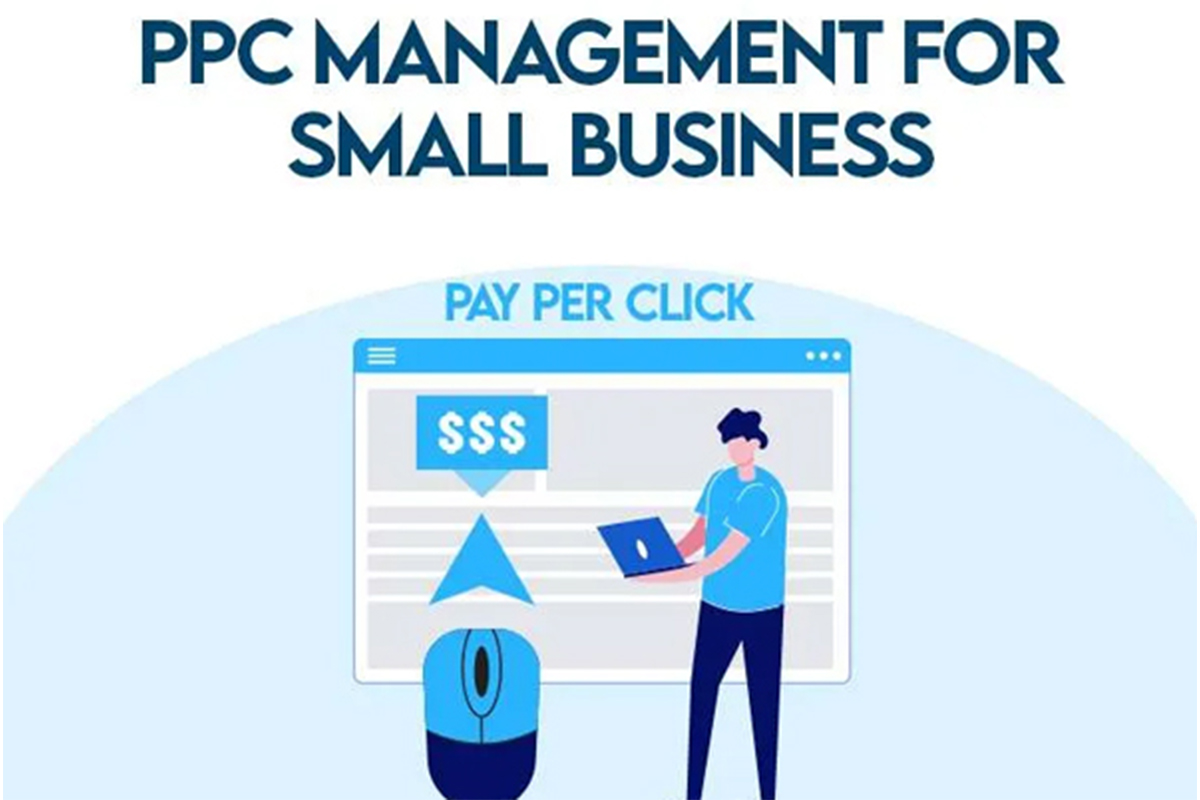
Pay‑per‑Click (PPC)
Affiliates receive a small fee per click regardless of a purchase. This works well for brand awareness campaigns, but affiliates need high traffic for meaningful income.
Pay‑per‑Lead (PPL)
Affiliates get paid when a referred user signs up for a newsletter, trial, or other non‑purchase action. Common in finance and software sectors where leads are valuable.
Benefits for Merchants and Affiliates
Merchant Advantages
Cost‑effective marketing: Pay only for results, reducing financial risk.
Broader audience: Leverage affiliates’ existing followers across diverse demographics.
Clear tracking: Measure performance and adjust strategies based on data.
Affiliate Benefits
Passive income: After content is published, commissions can accumulate with little ongoing effort.
Low entry barrier: Start with a blog, website, or social account and create engaging content.
Flexibility: Promote products that align with your niche and audience interests.
Commission Rates by Industry
Average commission rates differ across sectors, as shown in the table below:
| Industry | Average Commission Rate (%) |
|---|---|
| Fashion | 10–15 |
| Technology | 15–20 |
| Finance | 20–30 |
| Health & Wellness | 12–18 |
| Home & Garden | 8–12 |
Affiliate Marketing vs. Other Strategies
Traditional advertising (TV, radio, print) is expensive and hard to track. Affiliate marketing offers precise conversion tracking at a lower cost. Organic social media requires heavy time investment for follower growth, whereas affiliate marketing directly rewards sales. Both approaches can complement each other.
Frequently Asked Questions
How do I find the best affiliate programs?
Look into networks like Amazon Associates, ShareASale, or CJ Affiliate. Also check company websites. Evaluate commission rates, product quality, merchant reputation, and affiliate support.
Can I do affiliate marketing without a website?
Yes, you can use social media, email, or YouTube. However, a website helps build authority and gives you more control over long‑term audience growth.