Comprehensive Guide to Fence Types and Choosing the Right Installation Service
This comprehensive guide explores various fence types, helping homeowners choose the right style based on their needs and budget. It offers expert tips on finding reliable installation services, evaluating costs, and selecting qualified contractors to ensure durability and aesthetic appeal. Perfect for those looking to enhance property security and curb appeal, the article highlights key considerations for a successful fencing project from start to finish.

Comprehensive Guide to Fence Types and How to Choose the Ideal Installation Service
Fences are an essential aspect of residential property management, serving critical functions such as enhancing privacy, increasing security, and defining property boundaries. A well-installed fence adds aesthetic value while providing safety and peace of mind. However, selecting the appropriate type of fencing and professional installation service requires careful consideration of various factors. This guide explores different fence styles, offers tips on selecting the best installation service, and helps homeowners make informed decisions to maximize the value and effectiveness of their fencing investment.
Understanding Different Types of Fences and Their Usage
The choice of fencing materials and styles depends on your specific needs, property layout, budget, and personal preferences. Below are some of the most popular fencing options available on the market:
Picket Fences: Known for their charming vintage appeal, picket fences typically feature evenly spaced vertical boards (pickets) attached to horizontal rails. They are ideal for front yards, enhancing curb appeal while providing a modest barrier. Picket fences are traditionally made from wood, but vinyl versions now offer long-lasting durability with low maintenance requirements.
Post and Rail Fences: Commonly seen on farms, ranches, and larger properties, these fences use sturdy wooden or vinyl rails attached between timber or metal posts. Post and rail fences are excellent for delineating property lines, containing livestock, or adding a rustic touch to the landscape. Their simple design offers durability and easy installation.
Chain Link Fences: Made of galvanized or coated steel wire, chain link fences are favored for their strength, affordability, and security. They are suitable for residential yards, playgrounds, sports facilities, and commercial properties where visibility and security are priorities. Modern chain link fences come with options for privacy slats or decorative coatings to enhance appearance.
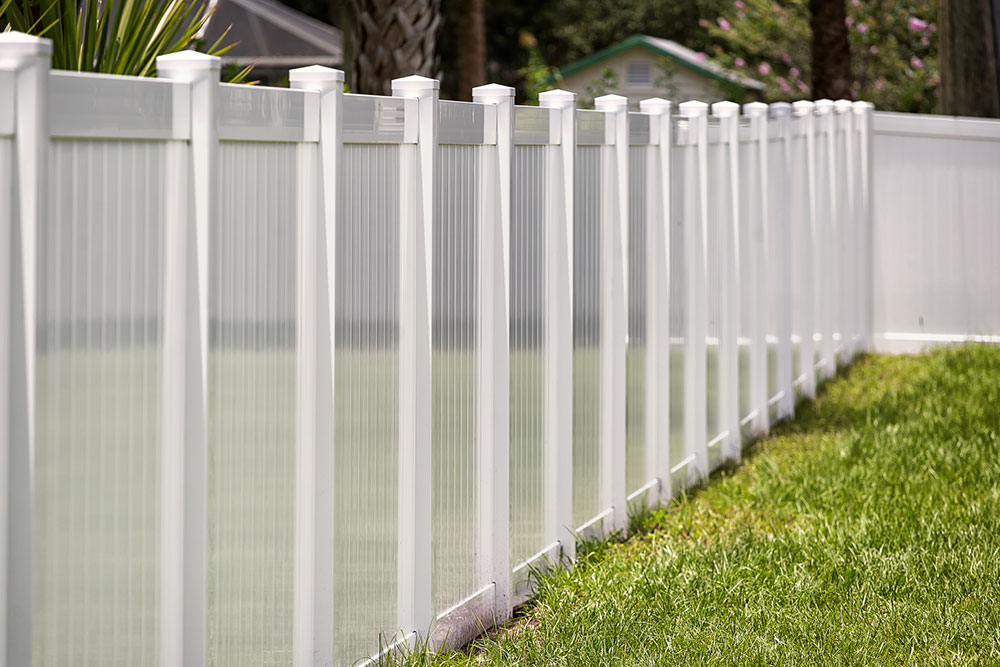
Vinyl Fences: Offering a combination of durability, low maintenance, and aesthetic versatility, vinyl fences come in various styles, including privacy, picket, and decorative designs. They resist weathering, pests, and corrosion, making them a popular choice for modern homeowners seeking longevity.
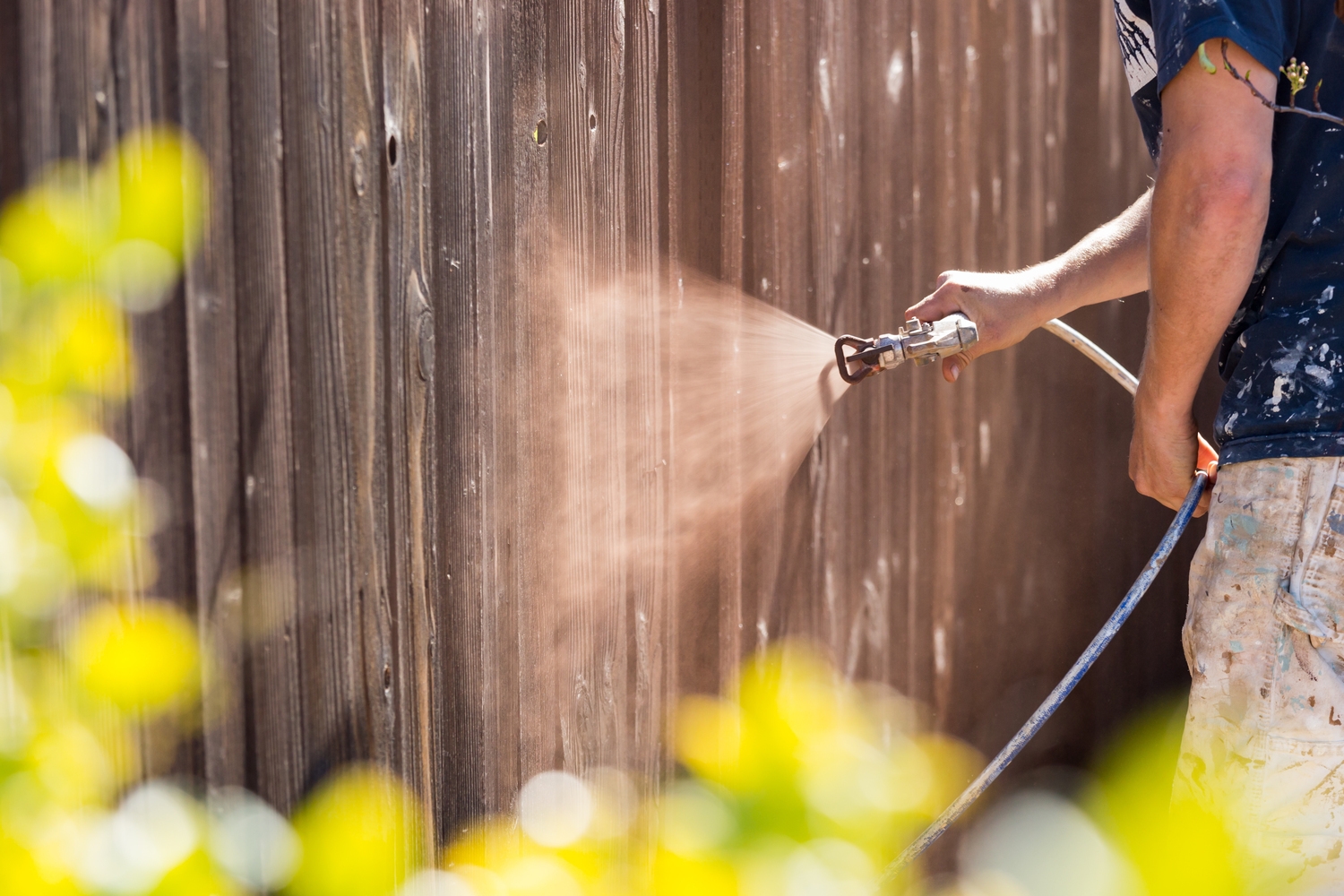
Wooden Fences: Classic and customizable, wooden fences can be built in numerous styles such as privacy, split rail, or lattice. They provide excellent privacy and can be painted, stained, or left natural to complement landscape aesthetics. However, wood requires regular maintenance to prevent rot, warping, and insect damage.
Metal Fences: This category includes wrought iron, aluminum, and steel fences. Known for their strength and decorative appeal, metal fences can be ornate or minimalistic, making them suitable for security purposes or enhancing visual appeal. Aluminum fences are lightweight and resistant to rust, ideal for coastal environments.
Choosing the Right Fencing Style for Your Property
Analyzing your property’s needs, aesthetic preferences, privacy requirements, and budget limitations will guide your fencing choice. For example:
If privacy is your priority, consider tall wooden or vinyl privacy fences.
To enhance curb appeal with a traditional look, picket fences are ideal.
For enclosures that prioritize security and visibility, chain link or metal fences are suitable options.
Large rural properties benefit from post and rail designs to contain livestock or define boundaries.
Consulting with fencing professionals can help in selecting the perfect style that complements your landscape and meets safety standards.
Finding Reliable Fence Installation Services
In today’s digital age, locating quality fencing contractors is more efficient than ever. Several resources are available to ensure you choose a reputable service provider:
Conduct online searches for local fencing companies, examining their websites, portfolios, and customer reviews.
Visit third-party review platforms such as Better Business Bureau, Angie's List, or Yelp for unbiased ratings and feedback.
Seek recommendations from neighbors, friends, or family who have had fences installed recently; firsthand experiences provide valuable insights.
Use contractor aggregator websites to compare quotes, services, and customer ratings at a glance, simplifying your decision-making process.
How to Select the Best Fencing Contractor
Choosing the right fencing contractor is crucial for ensuring a high-quality, durable installation. Here are some essential considerations:
Get Multiple Quotes: Obtain at least three to four detailed estimates from different contractors. Compare the pricing, materials, and scope of work included to avoid hidden costs. Ensure transparency regarding the fencing materials, post installation procedures, and any additional features.
Verify Licenses and Insurance: Confirm that the contractor holds relevant licenses, certifications, and insurance coverage. Proper licensing ensures they meet local regulations and standards. Insurance protects you from liability in case of accidents or property damage during installation.
Assess Experience and Reputation: Choose contractors with extensive experience in fence installation. An established reputation backed by positive customer reviews indicates reliability and quality workmanship. Request references or look for completed projects similar to your needs.
warranties and Guarantees: Reputable fencing companies offer warranties on their materials and labor. A robust warranty system demonstrates confidence in their work and provides peace of mind for repairs or replacements if issues arise after installation.
Cost Considerations and Budgeting
The total cost of fencing varies based on material choices, size, terrain, and additional features. On average, homeowners spend around $3,300 for fencing installation. However, affordability ranges from approximately $1,600 for basic setups to over $7,000 for premium, customized fences. Additional features such as gates, security systems, or decorative elements can increase costs, so plan accordingly and request detailed quotes.
Investing in quality fencing not only improves your property's safety and curb appeal but can also increase its overall value. Proper planning, research, and professional assistance are essential to achieving durable, aesthetically pleasing results that meet your expectations and budget.