A Comprehensive Guide to Delicious Salmon Recipes and Varieties
Explore a comprehensive guide to salmon, covering different varieties, cooking methods like baking and smoking, and tips for preparing this nutritious, flavorful fish. Ideal for seafood enthusiasts seeking healthy, delicious recipes and insights into salmon types.
A Comprehensive Guide to Delicious Salmon Recipes and Varieties
Salmon is one of the most popular and nutritious types of fish worldwide, celebrated for its rich, buttery flavor and outstanding health benefits. Known for being an oily fish, salmon is abundant in omega-3 fatty acids, high-quality protein, essential B vitamins, and vital minerals such as potassium and zinc. These nutrients contribute significantly to heart health, brain function, and overall wellness. Its versatility in the kitchen and ease of preparation make it a favorite ingredient among home cooks and professional chefs alike.
Before diving into various salmon recipes, it’s beneficial to understand the different types of salmon available on the market, as these can influence taste, texture, and cooking methods. Choosing the right kind of salmon based on your preferences and budget can elevate your culinary experience. Here, we explore the most common varieties of salmon and provide detailed cooking tips and recipes to help you make the most of this delicious fish.
Understanding Different Types of Salmon
When it comes to selecting salmon for your dishes, the main consideration often lies in whether it's wild-caught or farm-raised. Wild salmon is prized for its superior taste, firmer texture, and richer nutritional profile. It’s generally more expensive due to limited supply and the natural environment in which it is caught. In contrast, farmed salmon is more affordable and readily accessible but may differ slightly in flavor and oil content.
Let’s explore the most popular types of salmon in detail:
King Salmon (Chinook): Known for its high fat content, King salmon offers a luxurious, melt-in-your-mouth texture and a rich, robust flavor. It is often regarded as the most prized among salmon varieties due to its tenderness and flavor intensity.
Coho Salmon (Silvers): Recognized for its tender and slightly lighter texture, Coho salmon provides a balanced flavor profile. Its smaller size makes it a popular choice for grilling, baking, or pan-searing.
Sockeye Salmon (Red): Famous for its vibrant red flesh, Sockeye is a leaner variety with a strong, distinctive flavor. Its striking appearance makes it a favorite for presentation, and it’s excellent for grilling, broiling, or poaching.
Chum Salmon (Dog Salmon): Chum salmon is less fatty and mostly valued for its roe (eggs), which are used to make high-quality caviar. The flesh is often used in processed forms like canned salmon or salmon jerky.
When selecting salmon, consider your budget, taste preferences, and the intended cooking method. Wild salmon tends to be favored by purists and health-conscious consumers, while farm-raised options provide more consistent availability and affordability.
Cooking methods such as baking, grilling, and smoking are popular due to their simplicity and ability to enhance salmon’s natural flavors. Below, we provide detailed instructions for some of these methods to help you prepare perfectly cooked salmon every time.
How to Bake Salmon to Perfection
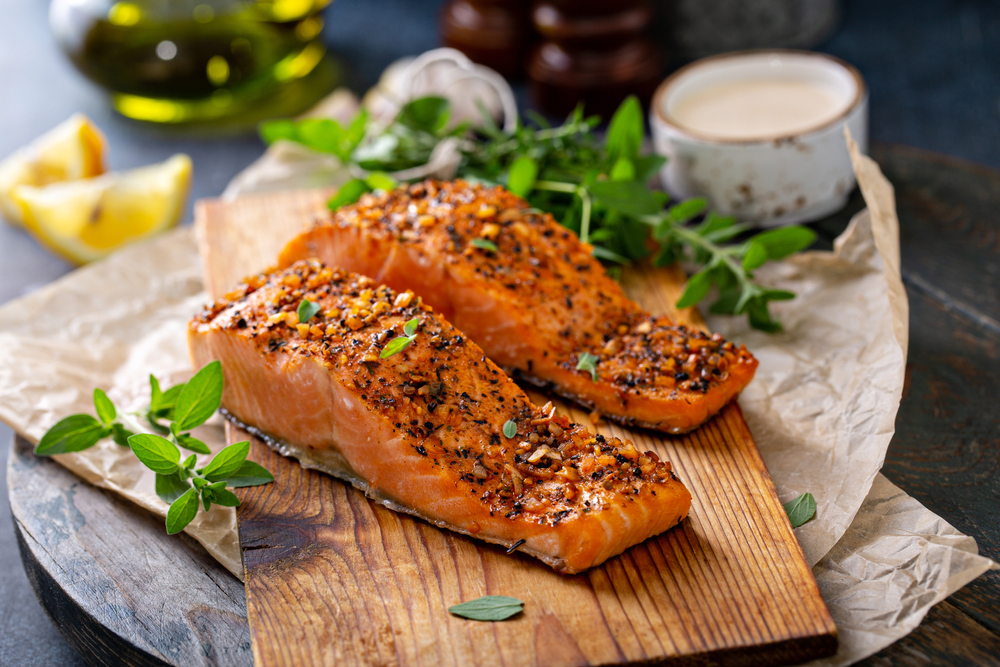
Baking is one of the easiest and healthiest ways to cook salmon, preserving its delicate flavor while providing a satisfying texture. Here’s a straightforward recipe to achieve moist, flaky baked salmon:
Ingredients: Fresh salmon fillets (preferably vacuum-sealed or fresh), olive oil or ghee, cracked black pepper and sea salt, minced garlic, Italian herbs or a homemade herb blend, fresh lemon.
Preparation: Preheat your oven to 400°F (200°C). Lightly grease a baking sheet with olive oil. Season the salmon fillets with salt, pepper, and herbs. Mix minced garlic with olive oil or ghee and spread evenly over the fish. Squeeze fresh lemon juice over the top and place lemon slices on each fillet for extra zest.
Cooking: Bake for 12-15 minutes, or until the fish becomes opaque and flakes easily with a fork. Garnish with additional fresh herbs and serve hot with your favorite sides such as steamed vegetables, roasted potatoes, or a fresh green salad.
How to Make Delicious Smoked Salmon at Home
Smoked salmon offers a unique flavor profile, combining smokiness with the natural richness of the fish. Making smoked salmon at home is straightforward, requiring minimal ingredients and equipment. Here’s a simple method:
Ingredients: 2-pound salmon fillet with skin, 2 tablespoons brown sugar, 2 teaspoons salt, ½ teaspoon black pepper, 1-2 tablespoons liquid smoke, optional capers and lemon slices for serving.
Preparation Steps: Place the salmon in an oiled baking dish, skin side down. Mix the sugar, salt, and pepper, then sprinkle evenly over the fish. Drizzle with liquid smoke or brush on for enhanced smoky flavor. Cover and refrigerate for 4-8 hours to allow the flavors to penetrate.
Cooking: Rinse off excess seasoning, pat dry, and bake uncovered at 350°F (175°C) for 35-45 minutes until the meat is flaky. Allow to cool before slicing thinly. Serve with capers, lemon wedges, and toasted bread or bagels for a gourmet experience.
Interesting Facts About Salmon
The name “salmon” has its origins in Latin, from the word “salmo,” and has evolved through various languages, including Middle English where it was called “samoun.”
The commercial practice of salmon canning began in New England around 1840, eventually spreading to California by the 1960s, revolutionizing the seafood industry.
There are over 9,000 known species and varieties of salmon worldwide, with notable differences in flavor, size, and habitat.
Incorporating salmon into your diet can be both delicious and healthful. Whether you prefer it baked, smoked, grilled, or poached, understanding the different types and preparing them with care ensures you enjoy a nutritious and flavorful meal. Explore these recipes and tips to elevate your culinary repertoire and discover new ways to savor this versatile fish.