Comprehensive Guide to Maintaining Healthy Cholesterol and Lipid Levels for Heart Health
This comprehensive guide provides essential information on maintaining healthy lipid levels for heart health. Learn about cholesterol components, the importance of regular screenings, and effective lifestyle strategies, including diet, exercise, and medications, to reduce cardiovascular risk and promote long-term well-being.
Understanding and managing your lipid profile is essential for maintaining optimal heart health and preventing cardiovascular diseases. Cholesterol levels, blood fats, and other lipids play a critical role in your overall health, and maintaining a balanced profile can significantly reduce the risk of heart attacks, strokes, and other related conditions. In this comprehensive guide, we will explore the different components of cholesterol, their functions, how to monitor them effectively, and practical strategies to keep your lipid levels in check through lifestyle modifications and medical interventions.
**What is Cholesterol and Why Is It Important?**
Cholesterol is a waxy, fat-like substance found in your blood. Despite often being portrayed negatively, cholesterol is vital for producing hormones, vitamin D, and cell membranes. Your body naturally produces it, but it also comes from dietary sources, especially animal products. Maintaining an appropriate balance of different types of cholesterol and triglycerides is crucial for cardiovascular health.
Understanding the Components of Lipid Profile
Your lipid profile typically measures various components, including:
HDL (High-Density Lipoprotein) – Often called the "good" cholesterol, HDL helps remove excess LDL cholesterol from your bloodstream, transporting it back to your liver for disposal. Higher HDL levels are associated with a decreased risk of heart disease.
LDL (Low-Density Lipoprotein) – Known as the "bad" cholesterol, elevated LDL can lead to plaque buildup in arteries, increasing the risk of blockages and cardiovascular events.
Triglycerides – These are fats stored in fat cells, and high levels are linked to increased heart disease risk. Factors like obesity, uncontrolled diabetes, and excessive alcohol intake can raise triglycerides.
Total Cholesterol – This is a combined measure of HDL, LDL, and other lipids, providing an overall view of your cholesterol status.
**The Importance of Regular Lipid Screening**
To effectively manage your heart health, routine screening of your lipid profile is recommended. Adults over 20 years old should have their cholesterol checked at least once every five years. However, individuals with risk factors such as obesity, hypertension, smoking, family history of heart disease, or diabetes should undergo more frequent testing. Early detection of abnormal lipid levels allows for timely intervention to prevent serious cardiovascular problems.
How to Interpret Your Cholesterol Test Results
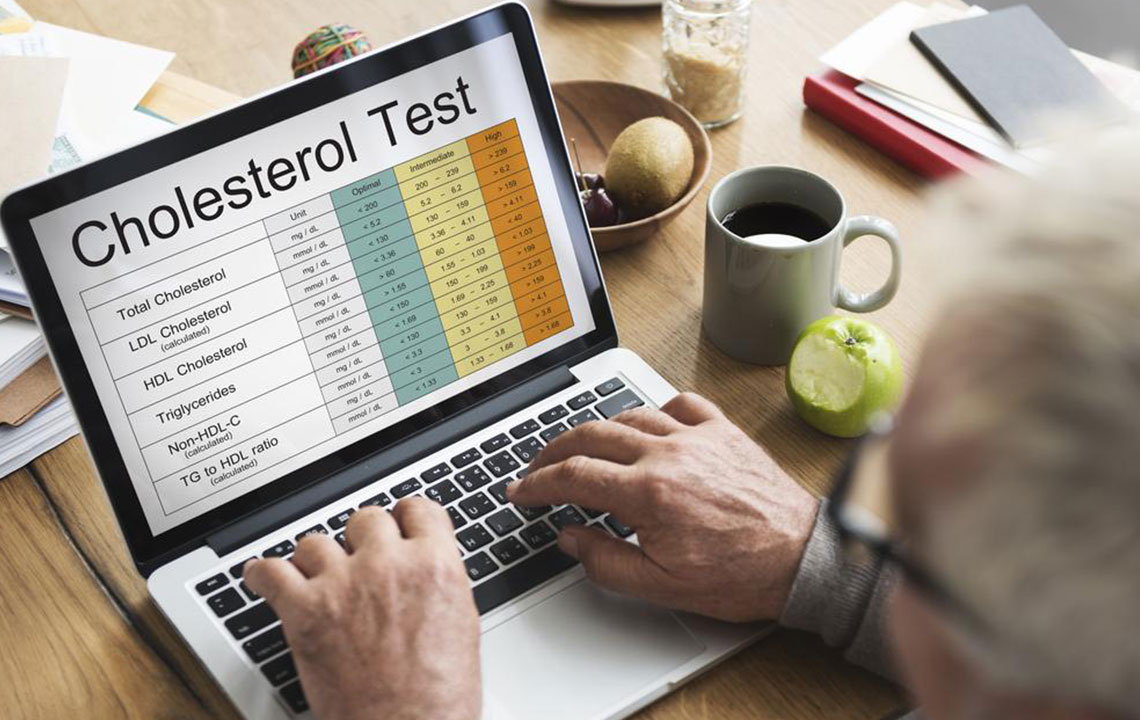
Understanding your results is crucial for developing an effective health plan. Here are general guidelines:
HDL levels below 40 mg/dL are considered low for men, and below 50 mg/dL for women, increasing heart disease risk.
LDL levels below 100 mg/dL are optimal, while levels of 130 mg/dL or higher are risky.
Triglycerides below 150 mg/dL are desirable; levels above 200 mg/dL are considered high and warrants action.
Total cholesterol levels below 200 mg/dL are desirable, but this should be evaluated alongside individual component levels.
**Strategies to Maintain Healthy Lipid Levels**
Maintaining balanced cholesterol involves a combination of lifestyle choices, diet, and sometimes medication. Here are essential strategies:
Adopt a Heart-Healthy Diet – Emphasize fruits, vegetables, whole grains, lean proteins such as fish and poultry, and healthy fats from sources like nuts and olive oil. Limit saturated fats found in red meats and full-fat dairy, as well as trans fats present in processed foods.
Engage in Regular Physical Activity – Incorporate at least 150 minutes of moderate exercise or 75 minutes of vigorous activity weekly. Activities like brisk walking, cycling, swimming, and aerobic classes can boost HDL, lower LDL and triglycerides.
Achieve and Maintain a Healthy Weight – Losing excess weight, particularly around the abdomen, can significantly improve your lipid profile.
Limit Alcohol Intake and Quit Smoking – Both habits negatively impact your lipid levels and overall cardiovascular health.
Medication Management – For some individuals, lifestyle changes alone may not suffice. Doctors may prescribe medications like statins to help lower LDL cholesterol, especially when levels remain high despite healthy diet and lifestyle.
Managing Triglycerides and Other Lipids
High triglycerides require targeted efforts through diet and medication. Limiting sugar, refined carbs, and alcohol can be effective. In cases where triglycerides exceed 200 mg/dL, your healthcare provider might recommend specific medications or additional lifestyle modifications. Monitoring and managing all aspects of your lipid profile are vital for comprehensive heart health management.
Long-term Monitoring and Personalized Care
Consistent follow-up with your healthcare provider is important for tracking your progress and adjusting interventions as needed. Modern diagnostic tools, personalized medicine, and lifestyle counseling can all contribute to maintaining optimal lipid levels and reducing your risk of cardiovascular disease.
In conclusion, understanding your cholesterol profile, undergoing regular screenings, and adopting a heart-healthy lifestyle are pivotal steps toward long-term cardiovascular health. By being proactive and committed, you can greatly reduce your risk of heart disease and ensure a healthier future for yourself and your loved ones.