Why Installing a Play Structure in Your Backyard Enhances Childhood Development and Happiness
Discover how installing a playground in your backyard transforms outdoor space into an essential hub for children's physical health, creativity, and social development. This comprehensive guide highlights key reasons why a backyard play structure benefits kids, from promoting exercise to fostering family bonds and imagination. Learn how to turn your yard into a safe, engaging environment that supports your child's growth and happiness while creating memorable childhood experiences. Ideal for parents seeking safe, convenient, and fun outdoor solutions for their children.
Why Installing a Play Structure in Your Backyard Enhances Childhood Development and Happiness
Reflecting on childhood memories often brings to mind days spent running freely across open fields, climbing towering oak trees, or engaging in playful adventures during springtime. Those moments of joy and freedom are precious and leave a lasting impression. As parents and caregivers, many of us aspire to offer our children similar experiences—moments filled with adventure, exploration, and fun that foster their growth and happiness. Often, living in suburban areas provides ample space for outdoor activities, yet sometimes this space isn’t utilized to its full potential for children’s play.
In today’s digital age, children are increasingly drawn to screens—video games, tablets, smartphones—which can limit their outdoor activities. However, outdoor play remains crucial for the healthy development of children. Installing a well-designed play structure in your backyard can turn a simple yard into a safe, engaging, and educational outdoor environment, making playtime not only more exciting but also more beneficial for their overall development.
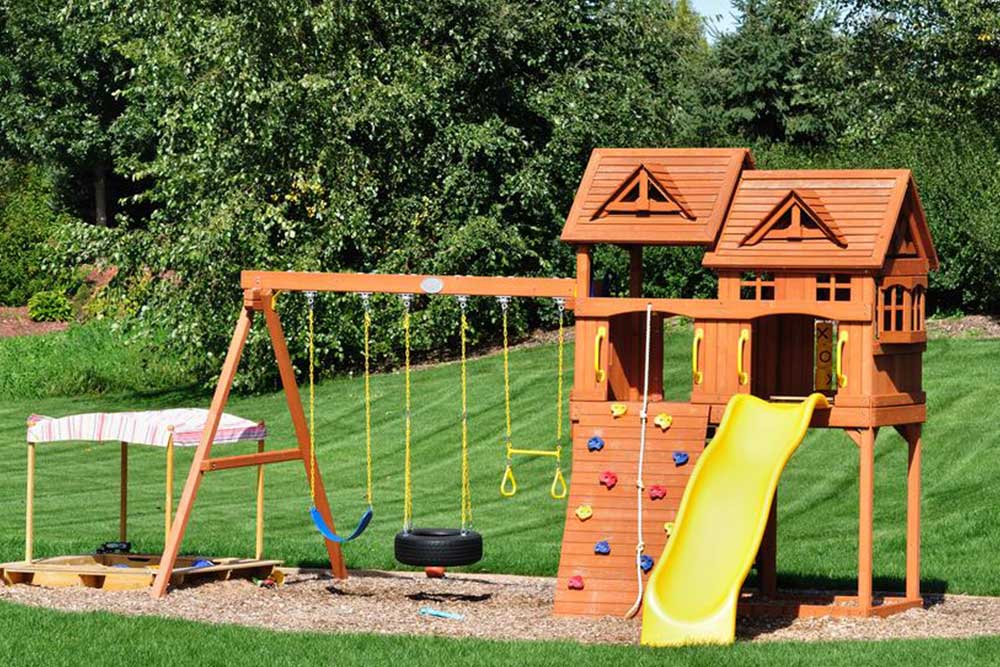
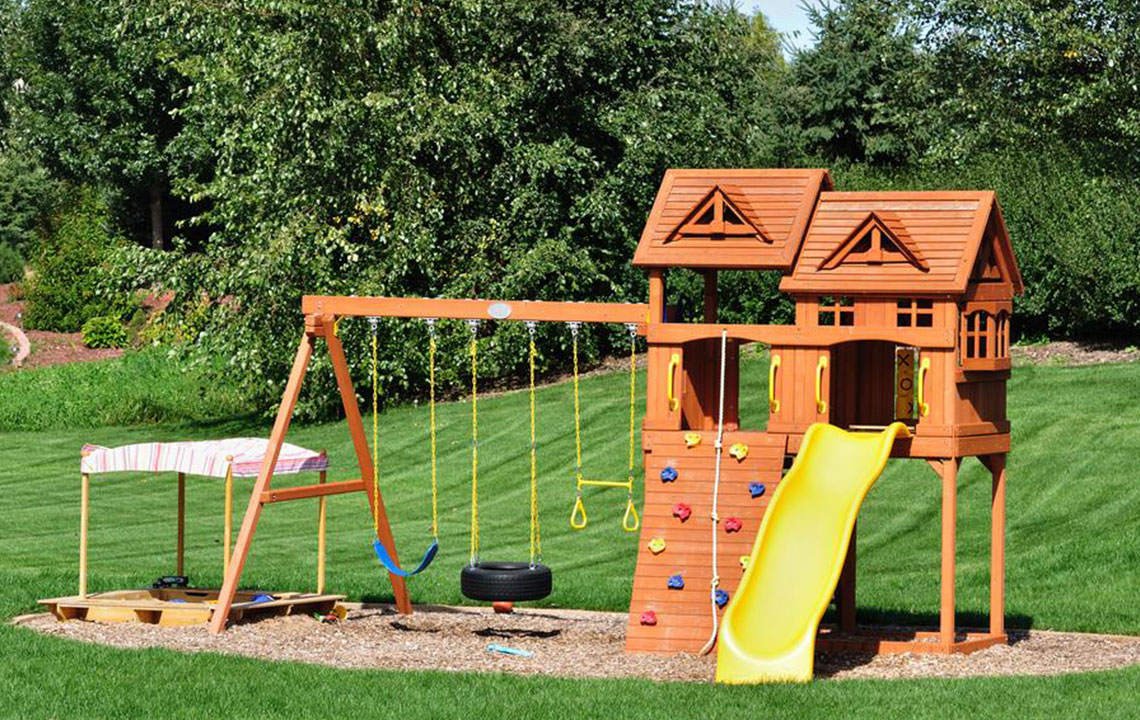
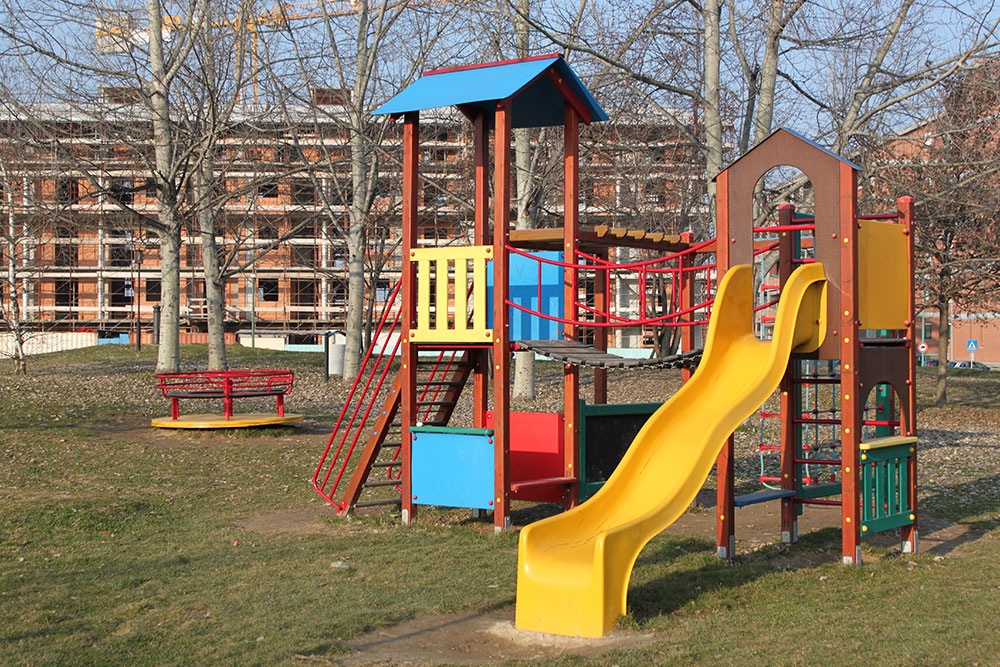
Play structures in backyards are more than just fun; they serve a vital role in nurturing both the physical and mental growth of children. These structures typically include a variety of features like swings, climbing towers, slides, monkey bars, forts, tunnels, and sandbox areas—each designed to promote different skills and keep children engaged. Curious about why a play set belongs in your yard? Here are several compelling reasons why you should consider investing in a backyard play structure.
Encourages Outdoor Physical Activity for Better Health
Regular outdoor activity is essential for children’s physical health. Play structures motivate kids to get moving—climbing, running, swinging, and exploring—which aids in building strength, improving coordination, and promoting cardiovascular health. As childhood obesity becomes a growing concern, creating opportunities for active play at home can significantly impact a child's health trajectory.
Provides a Safe and Convenient Outdoor Environment
Not all neighborhoods have easy access to parks or playgrounds, and for some families, travel time makes frequent trips difficult. A backyard play set offers a private, secure space where children can play freely under supervision. This convenience encourages more spontaneous outdoor play, fostering a routine that emphasizes fitness and outdoor enjoyment.
Strengthens Family Bonds and Encourages Quality Time
Play is a universal language that brings families closer. When parents join their children on backyard swings or help navigate the climbing towers, it creates opportunities for meaningful interactions. Outdoor playtime helps build trust, improve communication, and strengthen emotional bonds, all while having fun together amidst nature.
Supports Creativity and Imagination Development
While digital devices can offer cognitive benefits, actual outdoor play nurtures children’s imagination and problem-solving skills. Play structures often serve as castles, fortresses, or adventure sites in children’s stories, encouraging role-play and creative thinking. These open-ended playground elements foster a child's ability to invent new games and scenarios, enhancing their cognitive flexibility.
Enhances Social Skills and Peer Interaction
A backyard play set is an ideal space for children to invite friends over. Social interactions during play—sharing, negotiating, taking turns—are vital for developing communication, teamwork, and empathy. These experiences can translate into better social skills that benefit children throughout their lives.