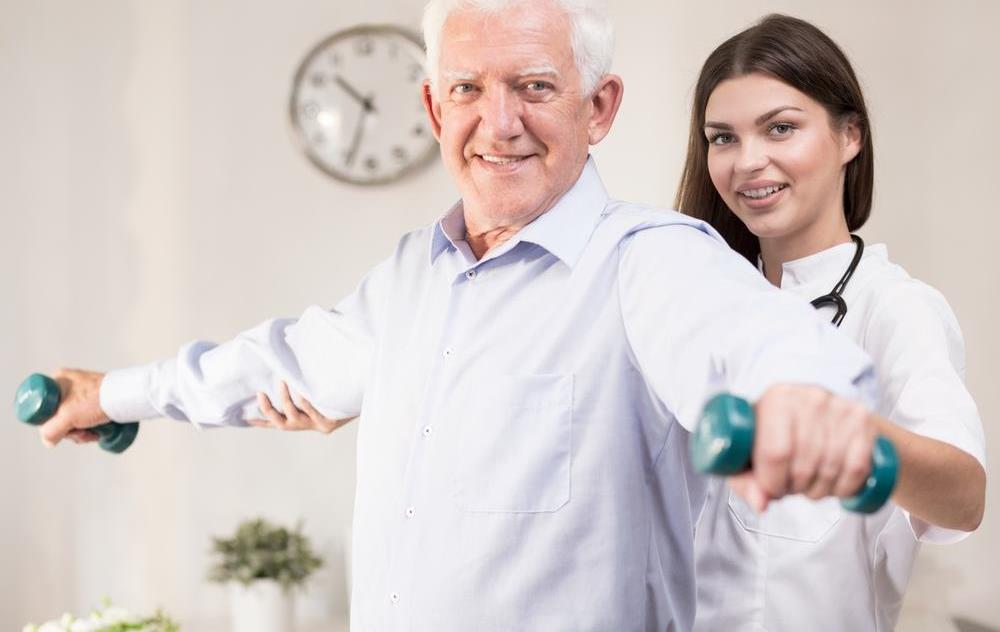
Comprehensive Guide to the Responsibilities of Healthcare Providers in Elderly Care Facilities
This article provides an in-depth overview of the core responsibilities of caregivers in elderly care facilities, emphasizing medication management, mental stimulation, health monitoring, and nutritional support. It highlights the significance of compassionate caregiving and the critical role these professionals play in promoting the health and happiness of senior citizens, ensuring their dignity and quality of life in later years.
Essential Roles and Responsibilities of Caregivers in Elderly Healthcare Facilities
With the rapid increase in the aging global population, the demand for skilled and compassionate caregivers in elderly care facilities has surged significantly. These dedicated professionals play a pivotal role in ensuring the well-being, safety, and comfort of senior citizens, many of whom require assistance with daily activities due to age-related health conditions or disabilities. Their responsibilities go beyond basic care, encompassing emotional support, health monitoring, nutritional guidance, and fostering independence. In this comprehensive guide, we explore the vital duties that define the crucial role of caregivers in elderly care settings, emphasizing the importance of empathy, professionalism, and attention to detail.
Managing Medication and Treatment Protocols
One of the primary functions of senior caregivers is to ensure proper medication management. As individuals age, they often face complex medication routines prescribed by healthcare professionals. Caregivers assist by administering medications accurately and on schedule, whether it involves pills, liquids, or injections. Additionally, they monitor for adverse reactions and communicate with medical staff regarding any concerns. Accurate medication adherence prevents complications, hospitalizations, and deterioration of health, making this responsibility critical for maintaining seniors’ health stability and safety.
Promoting Mental Stimulation and Social Interaction
Mental health is just as vital as physical health for seniors. Caregivers actively promote mental engagement through various activities such as walks in nature, social outings, recreational games, and organized group activities. These interactions help to prevent cognitive decline, combat feelings of loneliness, and boost overall emotional well-being. Maintaining a stimulating environment encourages seniors to stay mentally active and socially connected, which significantly improves their quality of life.
Health Monitoring and Behavior Observation
Caregivers collaborate closely with healthcare professionals to track essential health indicators such as blood pressure, blood sugar, oxygen levels, and temperature. They observe behavioral changes or signs of discomfort, including verbal and non-verbal cues, and report abnormalities promptly. This proactive approach allows for early detection of potential health issues and ensures timely intervention, which can be life-saving in some cases. Emotional monitoring is also crucial, as seniors may experience depression, anxiety, or confusion that requires appropriate support and treatment.
Nutrition and Dietary Support
Providing balanced and nutritious meals tailored to individual dietary needs is another cornerstone of elderly care. Caregivers prepare meals that are not only healthful but also appealing to seniors’ tastes and preferences. They ensure hydration throughout the day, recognizing that many elderly individuals tend to overlook their water intake. Proper nutrition supports overall health, boosts immunity, and helps manage chronic conditions such as diabetes, hypertension, and osteoporosis.
Caring for seniors involves a heartfelt commitment rooted in respect, patience, and compassion. It’s about honoring their lifetime of experiences and ensuring they live their later years with dignity, comfort, and happiness. Professional caregivers serve as an essential link between seniors and the broader healthcare system, embodying a dedication that greatly enhances the quality of life for older adults across the globe.