Innovative and Unique Ways to Use Flowers: Beyond Decoration
Discover innovative ways to utilize flowers beyond traditional decoration, including culinary uses, natural pest control, wellness teas, and beauty products. Learn how to include edible flowers in your diet, promote eco-friendly gardening, and create homemade floral waters for skincare and aromatherapy. Unlock the versatile benefits of flowers to enhance your health, environment, and culinary experience with practical and creative ideas.
Innovative and Unique Ways to Use Flowers: Beyond Decoration
Flowers have long been appreciated for their aesthetic appeal and symbolic meanings, often adorning homes, event venues, and special occasions like weddings and celebrations. Their vibrant colors and delicate structures make them a popular choice for beautifying spaces and expressing feelings of love, joy, and gratitude. However, beyond their traditional roles as decoration and gifts, flowers possess a myriad of unconventional uses that are gaining popularity among enthusiasts, chefs, gardeners, and wellness advocates alike. Exploring these innovative applications can unlock new culinary, health, and environmental benefits, transforming flowers from mere decorative elements into functional and beneficial resources.
Culinary Applications of Edible Flowers
Edible flowers such as roses, pansies, calendulas, lavender, and chrysanthemums are not just beautiful—they can dramatically elevate the flavor and visual appeal of many dishes. Incorporating these blooms into your culinary repertoire allows you to create visually stunning and flavorful dishes that impress guests and elevate your home cooking. For example, adding edible flowers to salads introduces a fresh, delicate flavor profile while also providing vibrant color contrast. Floral-embellished desserts, such as cake decorations, panna cottas, or ice creams, serve as edible art that delights the eyes and palate. Growing edible flowers in your garden or balcony allows for fresh, organic ingredients that bring a sense of satisfaction and health benefits to your meals.
Beyond their aesthetic appeal, edible flowers contain unique phytochemicals that contribute health benefits, including antioxidants, anti-inflammatory properties, and immune-boosting compounds. Regular incorporation of such blooms can promote overall wellness and add a natural touch to your diet. Noteworthy examples include lavender, which imparts a subtle herbal flavor, and calendula, known for its slightly spicy taste and medicinal properties. Experimenting with different edible flowers can inspire creative cooking and nutritious snacking options that make your meals more vibrant and healthful.
Natural Pest Control with Flowers
Integrating certain flowers into your garden provides a natural, eco-friendly way to deter pests without resorting to chemical pesticides. Marigolds are especially effective in repelling whiteflies, aphids, and other soil pests, making them a gardener’s favorite companion plant. Lavender, with its strong scent, serves as a natural repellent against mosquitoes, moths, and flies, creating a more comfortable outdoor environment. Chrysanthemums produce pyrethrum, a natural insecticide safe for humans and pets, which can be used to protect your garden plants from harmful insects. Incorporating these flowers into your landscape not only enhances beauty but also sustains a healthy, pest-resistant garden ecosystem.
Herbal and Floral Teas for Wellness
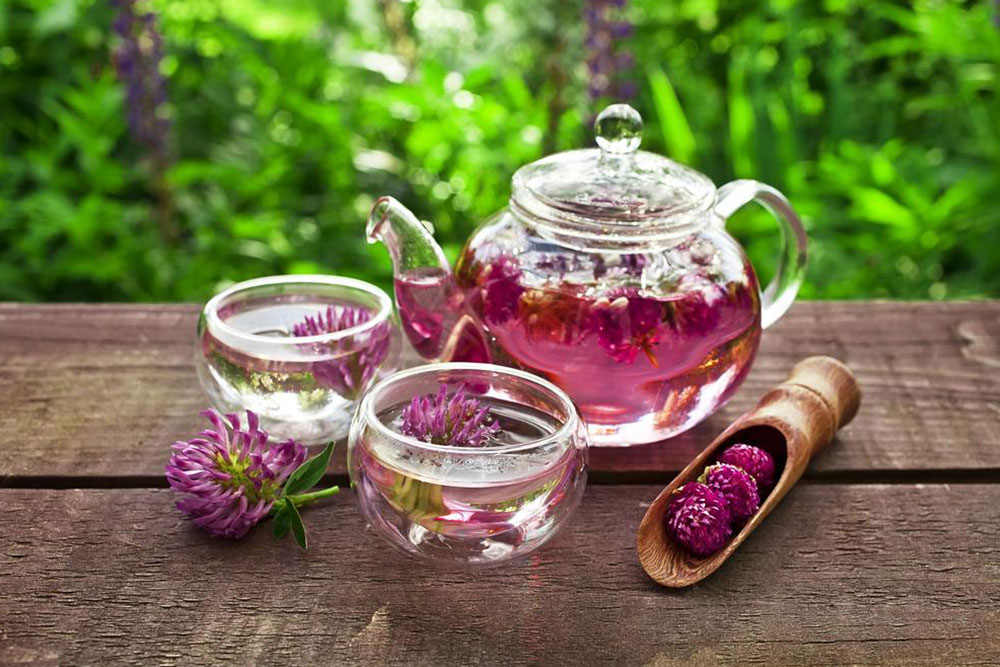
Flower-infused teas are a popular way to harness the healing properties of blossoms. Jasmine and chrysanthemum teas are renowned for their antioxidant content, which can support the immune system, improve skin health, and reduce inflammation. Lilies, when properly prepared, offer a sweet floral flavor and health benefits, including relaxation and mood enhancement. Brewing these teas involves steeping fresh or dried flowers, providing a calming routine that combines taste, aroma, and wellness. The ritual of preparing and savoring floral teas has become a comforting tradition for many seeking natural relaxation and health benefits.
Hydrosols and Floral Waters for Beauty and Aromatherapy
Hydrosols, also known as floral waters, are delicately concentrated distillates made from flowers like roses, jasmine, lavender, and chamomile. These versatile liquids are used in skincare, haircare, and aromatherapy to promote relaxation, refresh skin, and elevate mood. Rose water, for example, is a gentle toner that soothes sensitive skin, while lavender hydrosol offers calming effects that help reduce stress. Creating homemade hydrosols from garden-grown flowers is an accessible way to enjoy natural beauty products without harmful chemicals. These floral waters serve multiple purposes—from facial mists and body sprays to air fresheners—making them an important addition to natural health and beauty routines.