Comprehensive Cost Breakdown and Step-by-Step Installation Guide for Artificial Stone Wall Panels
This comprehensive guide details the costs and installation process for artificial stone wall panels. It covers material types, pricing, additional expenses, and steps for proper installation, whether DIY or professional. Ideal for homeowners and contractors seeking affordable, stylish wall upgrade solutions, ensuring durability and aesthetic appeal.
Comprehensive Cost Breakdown and Step-by-Step Installation Guide for Artificial Stone Wall Panels
Artificial stone wall panels have gained popularity among homeowners, interior designers, and contractors as a versatile, affordable way to elevate the aesthetic appeal of both indoor and outdoor environments. These panels serve as a stylish alternative to traditional natural stone, offering a combination of elegance, durability, and cost-effectiveness. Understanding the comprehensive costs involved—from material selection and purchasing to installation—is essential for making informed renovation decisions. In this detailed guide, we delve into the various factors influencing costs and provide actionable insights on proper installation techniques to maximize longevity and visual impact.
Understanding Artificial Stone Wall Panels
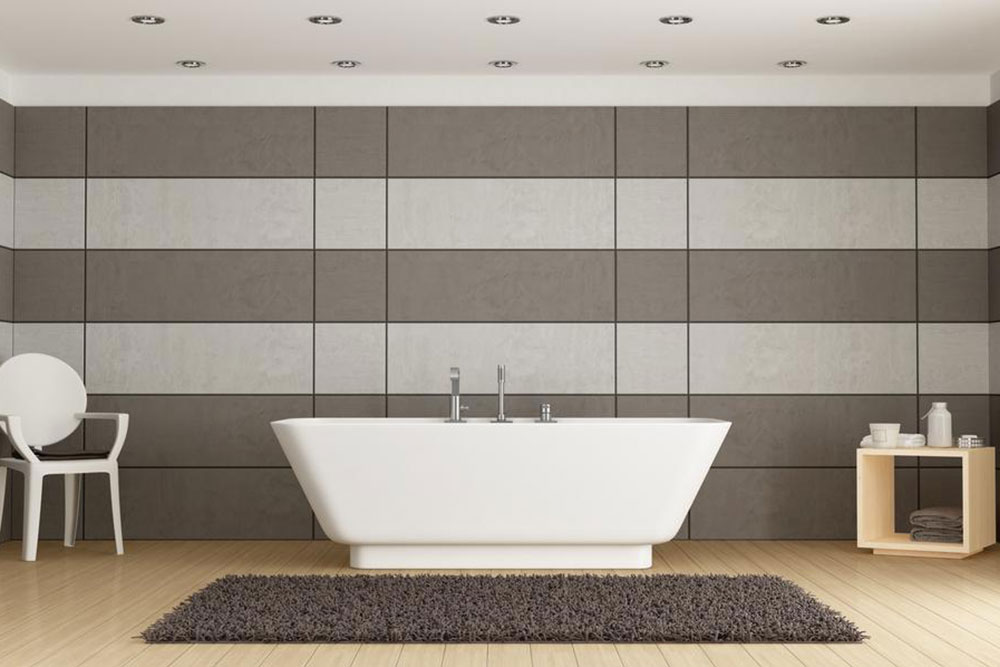
Artificial stone wall panels are manufactured using a variety of durable materials, including polyurethane, fiber cement, and polystyrene. These materials are engineered to mimic the textures, patterns, and colors of natural stones like granite, limestone, and slate, providing an authentic look without the weight or high expense of real stone. The design flexibility of artificial panels allows them to be used in a variety of settings, from rustic outdoor facades to modern interior accent walls. Their lightweight nature makes installation easier and faster compared to natural stone, reducing labor costs and installation time significantly.
Pricing Structure of Artificial Stone Wall Panels
The price of artificial stone panels varies based on several key factors, including material type, quality, brand reputation, and the retailer's pricing policies. It’s important to understand these factors to determine the best options within your budget and specific project needs.
Material Types and Their Costs
Polyurethane panels are popular due to their lightweight nature and affordability, typically costing between $6 and $12 per square foot. They are easy to handle, making them a preferred choice for DIY projects. Fiber cement panels offer enhanced durability and a more realistic stone appearance; their prices generally range from $8 to $14 per square foot. These panels are highly resistant to weathering and are suitable for outdoor applications. Polystyrene panels are the most budget-friendly option, with prices falling between $5 and $10 per square foot. Despite their lower cost, they provide a decent aesthetic for interior applications or low-traffic outdoor areas.
Brand and Quality Considerations
Premium brands and high-end panels with intricate textures or specialized finishes tend to carry higher price tags. Investing in reputable brands can ensure increased durability, better color retention, and a more refined appearance, which can be beneficial for long-term projects.
Additional Expenses to Keep in Mind
In addition to product costs, shipping and handling fees can contribute an extra $100 to $500 to overall expenses. Custom orders, specific color preferences, or unique textures may involve additional costs. Always factor in these supplementary expenses when budgeting your project to avoid surprises.
Installation Cost Breakdown
While purchasing the right panels is crucial, proper installation plays a vital role in achieving optimal results. Professional installation ensures the panels are correctly mounted, weatherproofed, and finished, thereby prolonging their lifespan. Here’s an in-depth analysis of typical installation costs:
Labor Charges
Labor costs vary based on geographic location, project size, and complexity. On average, professional labor rates range from $7 to $15 per square foot. Larger projects, or those requiring additional preparation or finishing work, may incur higher fees. Hiring licensed professionals can mitigate risks and guarantee quality work, providing peace of mind and possibly saving money in the long run by avoiding costly repairs or rework.
Tools and Material Supplies
Essential supplies include adhesives, sealants, screws, and cutting tools. The costs for these items typically range from $50 to $150 for adhesives, $10 to $50 for sealants, and $50 to $100 for cutting and mounting tools, depending on project scale and quality preferences. Using high-quality supplies ensures strong adhesion and a professional finish.
Steps for Proper Installation
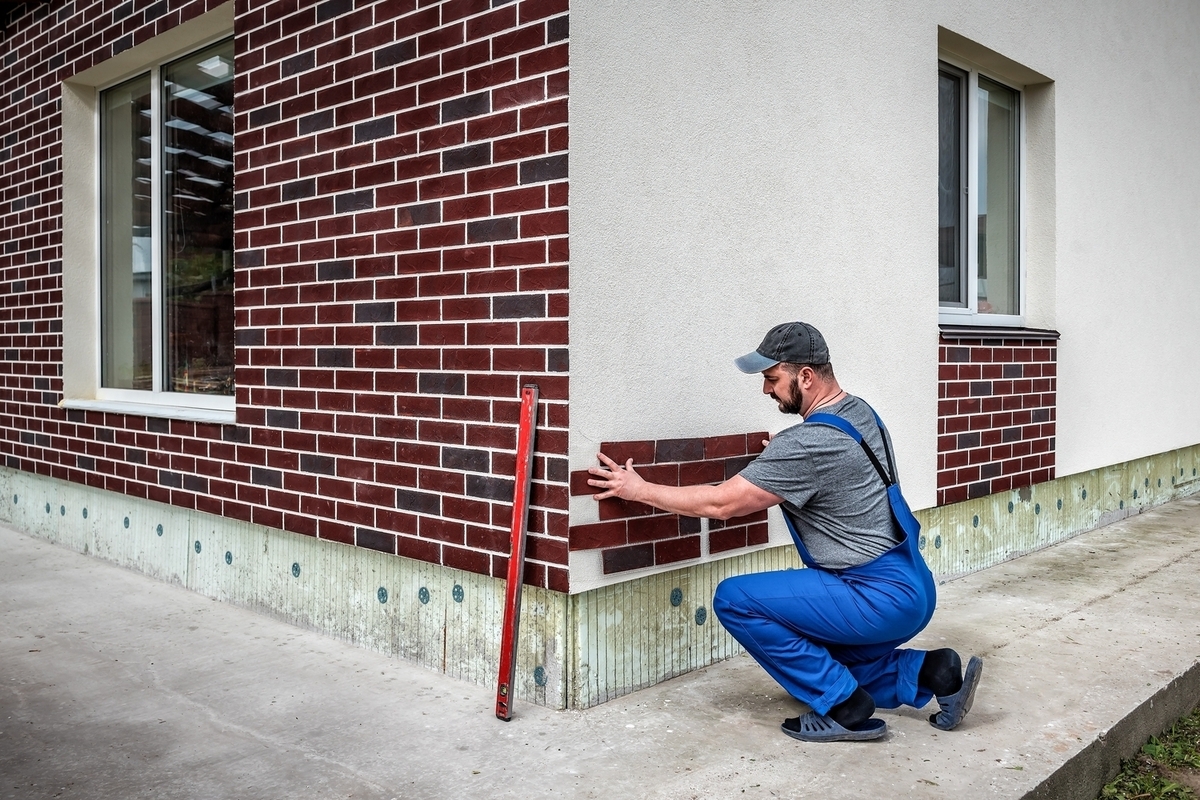
The installation process begins with accurate measurements and wall surface preparation. For outdoor projects, weatherproofing measures, such as sealing and waterproof membranes, are essential to prevent water infiltration and damage. Cutting the panels to size should be done carefully with appropriate tools—such as electric saws or routers—avoiding any damage to the material. Dry fitting each panel before adhering ensures proper alignment and spacing. Applying adhesive in a zigzag pattern on the back of each panel helps distribute the glue evenly, securing the panel firmly onto the wall. Additional screwing or nailing may be necessary for extra stability, especially in high-wind areas. Careful sealing of gaps and excess adhesive, followed by cleaning and finishing touches, results in a seamless, polished appearance.
DIY vs. Professional Installation
For those with a good level of handyman skills, DIY installation can offer significant savings. However, it requires proper tools, patience, and experience to avoid issues like uneven panels or insecure mounting. For large-scale projects or installations demanding high precision, hiring professional installers is recommended. Not only does this ensure a high-quality finish, but it also often comes with warranties and after-sales support—valuable assets for long-term satisfaction.
Artificial stone wall panels are an excellent alternative to natural stone, combining affordability, ease of installation, and aesthetic versatility. By understanding all associated costs—from materials to labor—and following correct installation procedures, homeowners and contractors can achieve stunning results that enhance both the visual appeal and value of their property. Whether choosing to undertake the project DIY or hiring experts, these panels offer a practical, stylish solution for transforming spaces with minimal effort and maximum impact.
In conclusion, investing in artificial stone wall panels is a smart choice for those seeking a durable, attractive, and budget-conscious solution to upgrade interior and exterior walls. With proper planning and execution, these panels can deliver long-lasting beauty and a high return on investment for residential and commercial projects alike.