Expert Tips for Maintaining a Lush and Healthy St. Augustine Lawn
Discover expert tips and comprehensive strategies to maintain a lush, healthy St. Augustine lawn. From mowing and watering to fertilization and pest management, learn how to keep your warm-season turf vibrant and resilient year-round. Perfect for homeowners aiming for an attractive, durable lawn in warm climates, this detailed guide covers everything you need to know for success.
Expert Tips for Maintaining a Lush and Healthy St. Augustine Lawn
A beautiful, vibrant lawn is a source of pride for homeowners and landscapers alike, especially when it comes to St. Augustine grass, renowned for its lush green hue and adaptability to warm climates. Achieving and maintaining a vibrant St. Augustine lawn requires a combination of proper care techniques, consistent maintenance routines, and understanding the specific needs of this grass variety. In this comprehensive guide, we will explore proven strategies to cultivate a thriving lawn that remains healthy and attractive throughout the year.
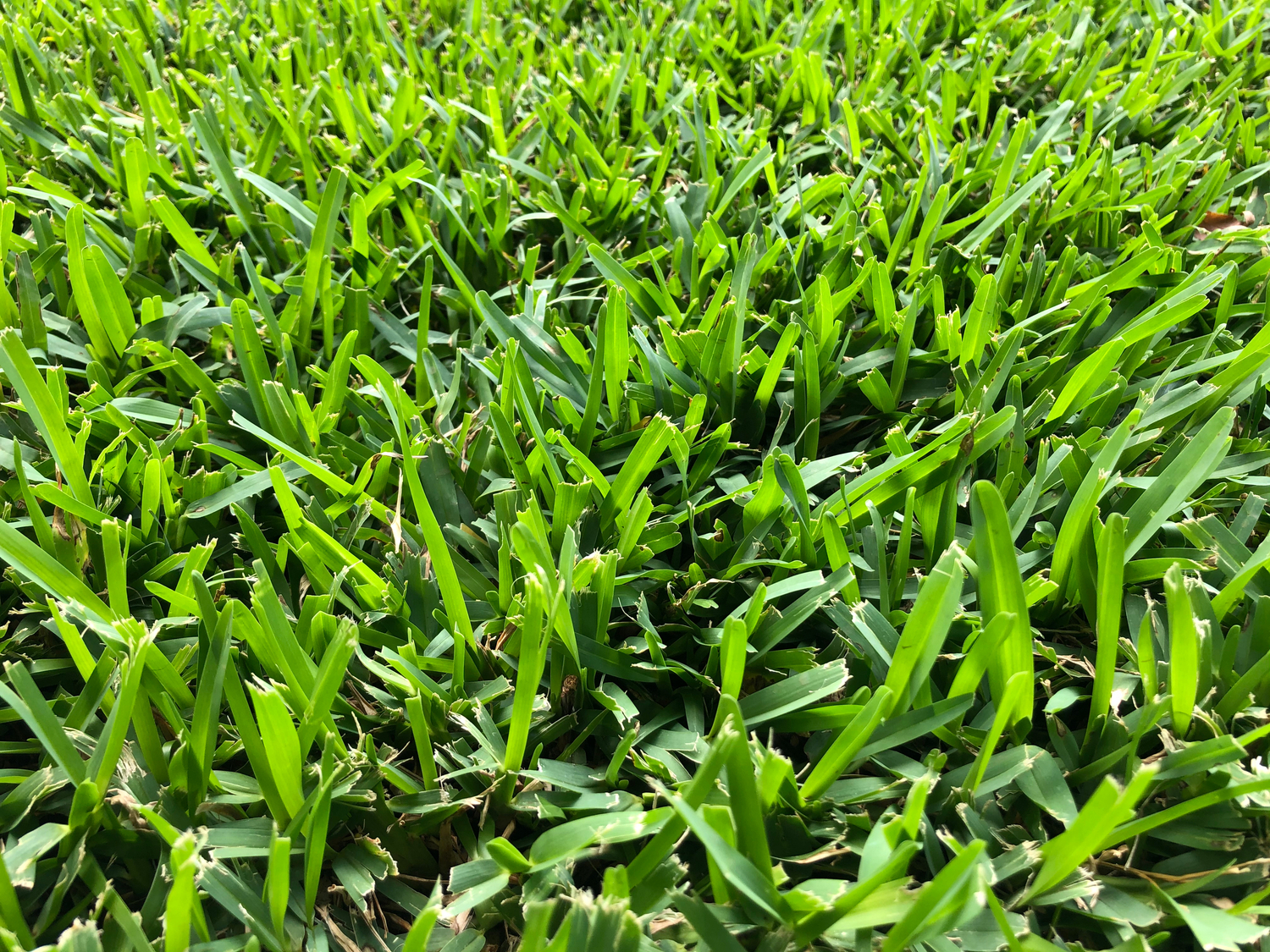
St. Augustine grass (also known as Stenotaphrum secundatum) is a warm-season turfgrass popular in tropical and subtropical regions. Its dense growth habit and vivid green color make it a preferred choice for lawns, golf courses, and parks in warm climates. However, to keep this grass at its peak, homeowners must adhere to best practices in lawn care, including mowing, watering, fertilization, weed control, and pest management.
Mowing Techniques for Optimal St. Augustine Growth
Proper mowing practices are fundamental to maintaining health and vigor in your St. Augustine lawn. The grass should be maintained at a height of approximately 3 to 4 inches, which helps shade the soil, reduce weed invasion, and promote vigorous root growth. Never cut more than one-third of the grass blade height at a time, as removing too much can stress the plant and weaken its defenses against pests and diseases. Regular mowing not only keeps your lawn neat but also stimulates denser growth, resulting in a more uniform and attractive appearance.
Watering Guidelines for a Strong and Resilient Lawn
Water management plays a pivotal role in the health of St. Augustine grass. Deep watering sessions are recommended to encourage deep root development, which ensures the grass can withstand drought conditions and high temperatures. The best time to water is early in the morning, typically between 5 to 9 AM, when evaporation rates are low and the grass can absorb moisture effectively. During periods of intense heat or drought, increase the frequency of watering but avoid overwatering, which can lead to issues such as root rot and fungal diseases. Generally, aim to provide about 1 to 1.5 inches of water per week, including rainfall, to keep your lawn adequately hydrated.
Fertilization for Lush Greenery
Fertilizing your St. Augustine lawn with the right nutrients at the appropriate times is essential for vibrant green color and vigorous growth. Use a balanced fertilizer high in nitrogen, which promotes lush foliage. Apply fertilizer during the active growing season—spring and summer—and follow a tailored schedule based on your region's climate and soil conditions. Avoid over-fertilizing, as excessive nutrients can lead to thatch buildup and increase susceptibility to pests and diseases. Always water the lawn after fertilization to help nutrients penetrate the soil and reach the grassroots.
Weed and Pest Management Strategies
Weeds and pests can severely compromise the health and appearance of your St. Augustine lawn if not promptly addressed. Regular inspection is crucial to detect pests early, including chinch bugs, sod webworms, and grubs. Use appropriate pesticides or organic control methods to eliminate infestations. For weed control, apply pre-emergent herbicides in early spring to prevent weed seeds from germinating, and spot-treat persistent weeds with post-emergent herbicides. Maintaining a healthy, dense turf makes it more resistant to weed invasion and pest attacks, reducing the need for chemical interventions over time.
Seasonal Lawn Care Tips
Adapting your lawn care routine to the seasons ensures consistent health and vibrancy of your St. Augustine grass. During spring, focus on aeration, overseeding if necessary, and preparing the soil for new growth. Summer requires vigilant watering, pest control, and mowing at the correct height. In fall, fertilize with a slow-release formula to support root growth and prepare the grass for winter dormancy. Winters in warmer regions may allow for continued growth, but in cooler zones, avoid fertilizing late in the season to prevent unnecessary growth that could be damaged by cold weather. Regularly assessing and adjusting your lawn care practices fosters stronger, more resilient turf throughout the year.
Final Tips for a Year-Round Vibrant Lawn
To maintain a stunning St. Augustine lawn year-round, consistency is key. Establish a routine that includes regular mowing, water management, fertilization, and vigilant pest control. Additionally, soil testing can provide valuable insights into your lawn’s nutrient status, allowing for tailored amendments that optimize growth. Use organic composts and mulches to improve soil health and moisture retention. Remember, avoiding compacted soil and ensuring proper drainage will prevent common issues such as standing water and root diseases. By following these expert strategies, your lawn will not only remain lush and healthy but also serve as a beautiful feature of your landscape for years to come.
In conclusion, cultivating a vibrant St. Augustine lawn involves a combination of proper mowing, watering, fertilizing, weed and pest control, and seasonal adjustments. With patience and dedication to these best practices, you’ll enjoy a lush, resilient, and eye-catching lawn that enhances your home's curb appeal and provides a welcoming outdoor space for family and friends all year long.