Comprehensive Guide to Weed Trimmers: Types, Features, and Benefits for Your Garden
Discover an in-depth guide to weed trimmers, exploring various types—electric, gas-powered, and cordless—their features, benefits, and safety tips. Whether for small or large gardens, learn how to choose the right tool to improve efficiency, ease of use, and environmental friendliness, ensuring optimal garden maintenance with safety in mind.

Comprehensive Guide to Weed Trimmers: Types, Features, and Benefits for Your Garden
Understanding the Different Types of Weed Trimmers and Their Key Benefits A well-maintained garden or lawn is a source of pride for homeowners and landscapers alike. Central to effective yard maintenance is the use of reliable gardening tools, among which weed trimmers stand out as indispensable. These tools simplify the daunting task of trimming grass, weeds, and overgrowth, making them an essential asset for any outdoor space. Whether you own a small yard or manage expansive landscapes, choosing the right weed trimmer can dramatically enhance efficiency and results. This comprehensive guide explores the various types of weed trimmers available today, their unique features, advantages, and safety tips to ensure you select and use the right tool for your gardening needs.
Categories of Weed Trimmers: An In-Depth Overview
Understanding the main categories of weed trimmers is crucial for selecting the most appropriate tool for your garden. There are three primary types based on power source and operational mechanics:
Electrical Weed Trimmers
Gas-Powered Weed Trimmers
Battery-Operated (Cordless) Weed Trimmers
Each type offers distinct advantages and limitations that cater to different Garden maintenance scenarios. Here is a detailed review of each category to help you make an informed decision.
Electrical Weed Trimmers
Electrical weed trimmers are among the most common tools used for garden maintenance, especially suitable for small to medium-sized yards. They operate by plugging into an electrical outlet, providing consistent power without the need for fuel. However, several critical factors should be considered before choosing an electric model.

Electrical weed trimmers require a continuous connection to an power outlet, necessitating proximity to an electrical source, which can limit movement and coverage area.
They tend to be less durable compared to gas-powered counterparts, primarily suitable for light to moderate trimming tasks.
Precaution is necessary in wet conditions as these tools are not waterproof, and exposure to water can damage the motor or cause electrical hazards.
The motor generates heat, requiring occasional pauses to cool down during extended use, which may impact work efficiency.
Limited mobility due to cord restrictions may necessitate extension cords or multiple power sources for larger yards.
Gas-Powered Weed Trimmers
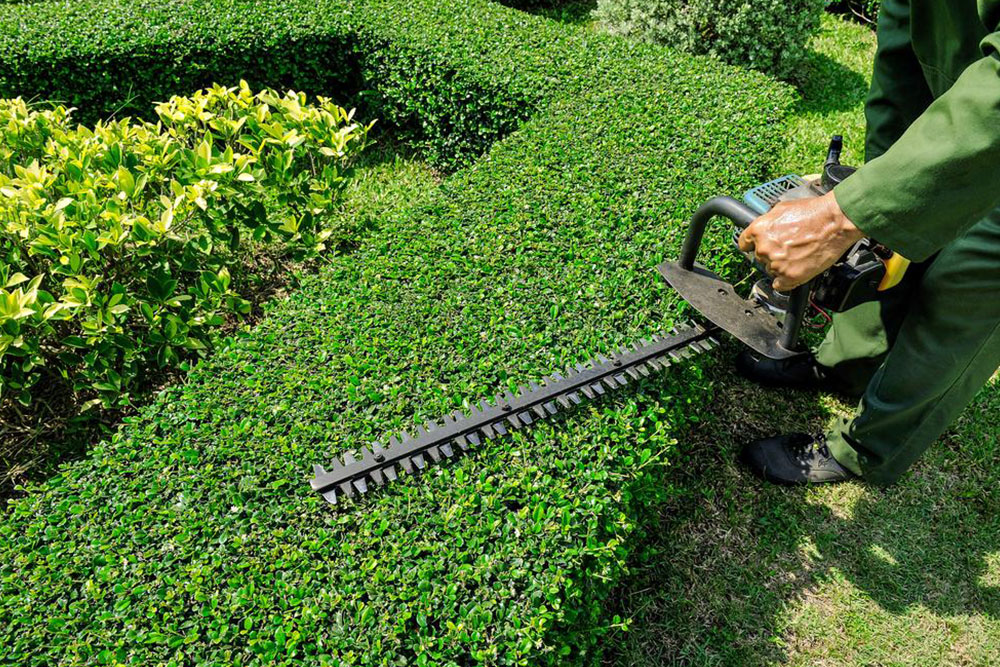
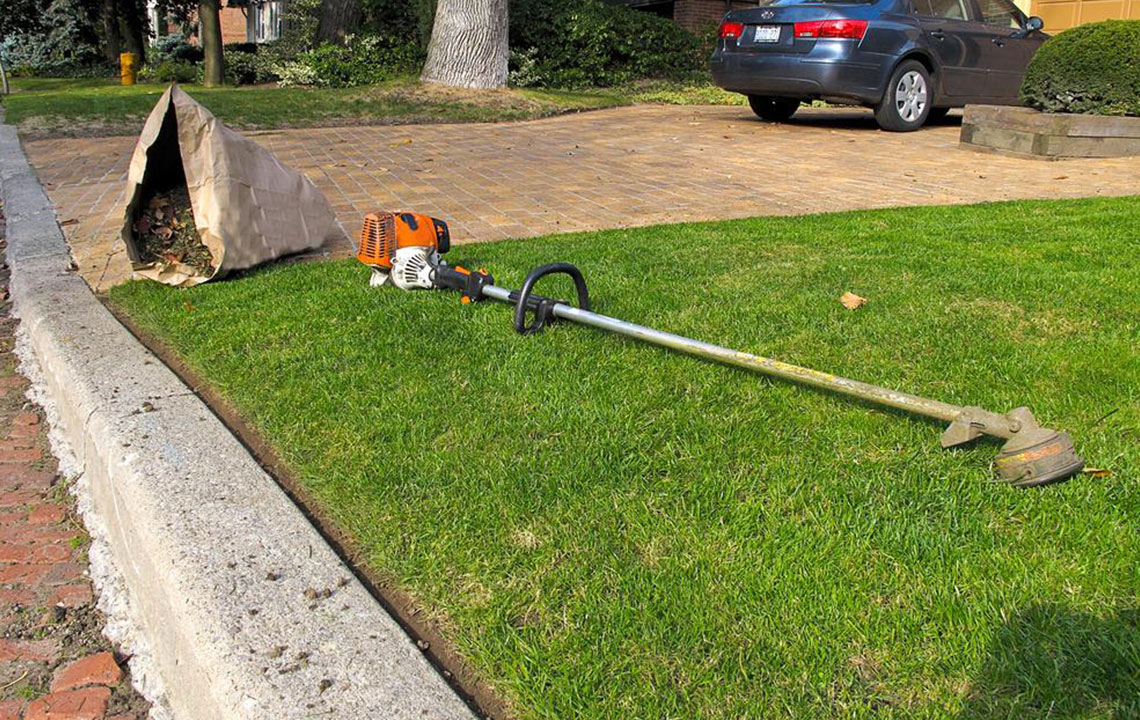
Gas-powered weed trimmers are renowned for their robustness and independence from power outlets, making them ideal for large, thick, or hard-to-reach areas. These tools operate with a gasoline engine, offering high power output and operational flexibility.
Gas-powered models are cordless, providing excellent freedom of movement across various terrains without worrying about power cords or battery life.
They tend to be heavier and noisier than electric models, which may be a concern in noise-sensitive environments.
Generally, these trimmers are more expensive upfront, as well as incurring ongoing costs related to fuel and maintenance.
The engine's combustion process emits pollutants, making them less eco-friendly compared to electric and battery-powered options.
Require proper handling and maintenance to ensure optimal performance and longevity of the engine.
Cordless (Battery-Operated) Weed Trimmers
The latest in garden trimmer technology, cordless weed trimmers combine portability with power, providing a versatile tool suitable for various garden sizes and types of trimming tasks.
Powered by rechargeable batteries, these tools are highly portable and easy to maneuver, perfect for quick jobs or maintaining hard-to-reach spots.
They are lightweight and designed to reduce user fatigue, enabling longer work periods without discomfort.
Require regular charging, and batteries need to be removed and recharged after use, which may require careful planning for extensive projects.
Capable of covering large properties efficiently, as they are free from the constraints of cords or fuel sources.
Battery life depends on the model and capacity, with some advanced models offering extended runtime through high-capacity batteries.
Advantages of Using Weed Trimmers in Garden Maintenance
Investing in a suitable weed trimmer can bring numerous benefits to your gardening routine, such as:
Ease of Operation – Modern models are designed for user-friendly operation; whether electric or gas-powered, starting them is straightforward, and they require minimal skill to operate effectively.
Portability and Lightweight Design – Most weed trimmers are designed for comfort, allowing users to operate for extended periods without fatigue. Their compact design makes storage and transport hassle-free.
Eco-Friendly Functionality – Electric and battery-powered trimmers do not emit pollutants, contributing positively to environmental health and reducing air pollution.
Efficiency and Speed – Weed trimmers significantly reduce the time needed for yard maintenance, allowing quick and clean removal of weeds and grass over large or irregular areas.
Low Maintenance and Cost-Effective – With fewer moving parts and simple designs, these tools are inexpensive to repair and maintain, offering long-term savings.
Essential Safety Tips for Using Weed Trimmers
Ensuring safety while operating gardening tools is paramount. Proper precautions help prevent accidents and injuries. Here are vital safety tips for using weed trimmers:
Always wear sturdy boots to shield your feet from debris or accidental contact with blades.
Protect your eyes with goggles and wear ear protection, especially when using gas models or in noisy environments.
Read and understand the operational manual before using any new equipment to ensure proper handling and safety.
Dress in long pants and sleeves to prevent cuts or scratches from flying debris or plant material.
Clear the work area of stones, wires, and other debris that could become projectiles or damage the trimmer.
In dry, windy, or fire-prone conditions, wear fire-resistant clothing and exercise extra caution.
Turn off the engine and disconnect electrical power sources before performing maintenance or repairs.
Use shoes with good grip and stability for safe control and maneuverability during operation.
Wear gloves to protect your hands from blisters, cuts, or vibrations.
Maintain proper fuel mixture in gas models and refuel only after engines have cooled down to prevent fires or explosions.
Store equipment securely and check safety features, such as blade guards and switches, before storing or transporting.
This extensive guide aims to equip homeowners and landscapers with the knowledge required to select, operate, and maintain the right weed trimmer, ensuring a tidy and well-maintained garden while adhering to safety standards.