Comprehensive Guide to Senior Medical Alert Systems: Key Features and Top Brands
This comprehensive guide explores top senior medical alert systems available in Japan, highlighting innovative features, top brands, and key considerations. Designed to ensure elderly safety, these alert devices cater to diverse lifestyles with options for in-home, mobile, and all-in-one models. Learn how the latest technology enhances reliability, convenience, and emergency response for seniors living independently or in care facilities. This article helps families and caregivers make informed decisions to choose the most suitable safety solution for their elderly loved ones, promoting peace of mind and better quality of life.
Comprehensive Overview of Senior Medical Alert Devices and Their Essential Features
As Japan faces a rapidly aging population, with a particularly high percentage of seniors aged 80 and above, the importance of effective medical alert systems for elderly care has become increasingly vital. These systems play a crucial role in ensuring the safety, independence, and well-being of older adults, especially those living alone or with limited assistance. With a growing number of brands offering innovative and tailored solutions, selecting the right medical alert device requires careful consideration of individual needs, lifestyle, and budget. This guide provides an in-depth look at the leading products on the market, their key features, and what to consider before making a purchase, helping caregivers and families find the most suitable options for their elderly loved ones.
Top Medical Alert System Brands in Japan and Their Innovations
Several reputable companies are leading the way in delivering advanced alert systems tailored to the Japanese elderly demographic. They incorporate cutting-edge technology to provide reliable, user-friendly, and comprehensive safety solutions. Here's a detailed look at some prominent brands making a difference:
Tellus Care
Originating from the United States, Tellus Care has expanded its reach to Japan, bringing with it innovative radar-based monitoring technology. This device is designed to be mounted on walls in senior care facilities or private homes, seamlessly integrating into daily routines. Using sophisticated radar sensors, the system discreetly collects essential health data and movement patterns without intruding on privacy. It connects via Wi-Fi or cellular networks, providing real-time updates through a dedicated mobile app accessible to caregivers. The system's capability to monitor activities such as getting in and out of bed, walking around, and other movement within an approximate 5-meter radius enhances fall detection and emergency alerts, significantly improving response times.
By enabling remote monitoring, Tellus Care offers peace of mind for families and caregivers, ensuring immediate intervention during emergencies. Its intelligent technology is derived from principles used in autonomous vehicles and drones, making it not only sophisticated but also cost-effective and scalable for various settings.
Iveda
Iveda specializes in wearable elder care devices designed for real-time tracking and safety management. The IvedaPinPoint wristwatch, developed by B-Lab, exemplifies this approach by tracking seniors' movements, routes, and activity zones. Caregivers can set safe zones and receive alerts if seniors remain immobile for extended periods, which is crucial for preventing falls or assisting in rescue efforts. The device also continuously monitors vital signs like body temperature, enabling caregivers to obtain a quick snapshot of health status at any moment. This integration of location tracking and health monitoring makes Iveda systems a comprehensive solution for elderly safety.
Secom
As a well-established security provider in Japan, Secom has developed the Secom My Doctor Watch, specifically designed for senior health and activity tracking. This wristband device tracks daily activity levels, calorie expenditure, and identifies irregularities or abnormal health patterns. The system sends instant alerts to caregivers if irregularities are detected, ensuring prompt intervention. Secom also offers a pendant device for emergencies, providing seniors with quick access to help when feeling unwell or in distress. Its user-friendly interface and reliable alerts make it a preferred option for families seeking continuous oversight and immediate response capabilities for elderly loved ones.
Types of Medical Alert Systems for Seniors
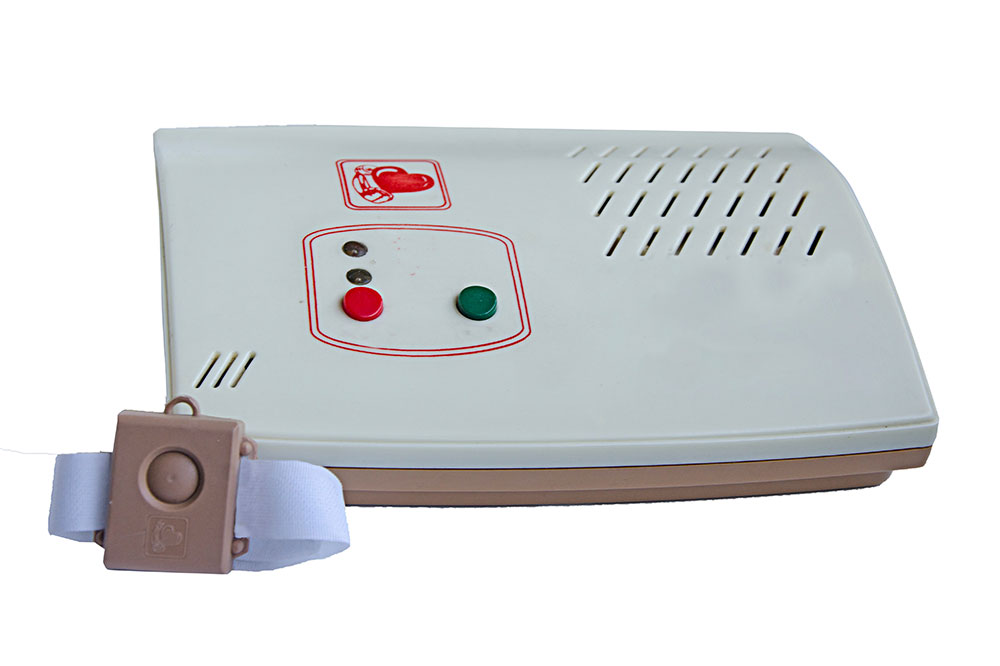
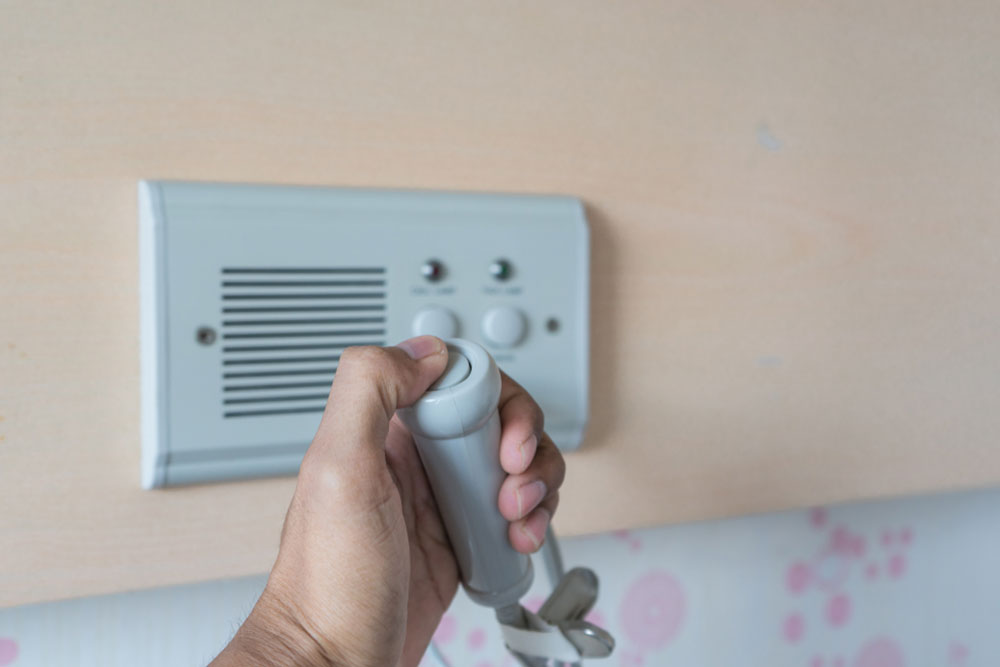
In-home alert systems: Designed primarily for indoor use, these systems generally cover the entire residence, including yard and entry points. They often include wall-mounted units, motion detectors, and emergency buttons accessible within the home environment, providing comprehensive coverage for seniors living independently or semi-dependent.
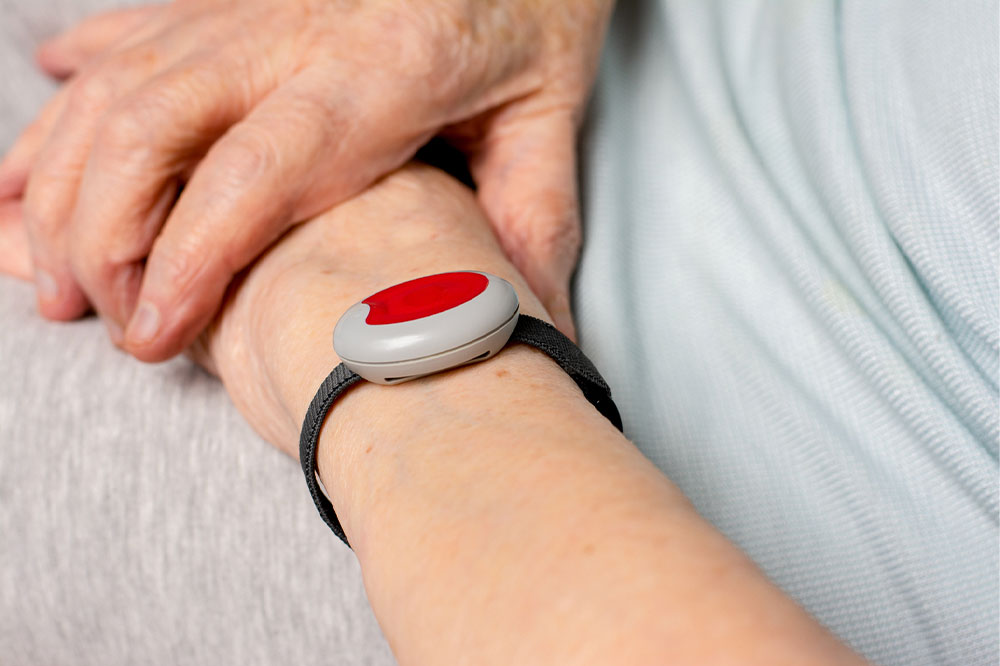
Mobile alert systems: These are portable devices that operate outside the house via cellular networks. Usually in the form of necklaces, watches, or bracelets, they are equipped with emergency buttons allowing seniors to call for help instantly, whether during outdoor activities or errands. Mobile systems are ideal for active seniors or those frequently on the move.
All-in-one solutions: Combining features of both in-home and mobile systems, these versatile devices provide continuous safety coverage irrespective of location. They are especially suited for seniors who alternate between staying at home and engaging in outdoor activities, ensuring uninterrupted protection and quick access to emergency assistance.
Essential Factors to Consider Before Buying a Medical Alert System
Budget and Cost-effectiveness: Evaluate financial constraints beforehand. Higher-end devices with advanced sensors and additional functionalities may incur higher costs, but it's essential to balance features with affordability to ensure sustainable usage.
Device Type suitability: Consider the senior's daily routine and environment. Frequent travelers or outdoor enthusiasts will benefit from mobile alert systems, while seniors who spend most of their time at home might prefer traditional in-home setups. The choice should match their lifestyle for maximum usability.
Monitoring and Alert Mechanisms: Decide whether the system should require seniors to manually activate alerts or if caregivers prefer automatic notifications based on sensor data. This decision impacts responsiveness and ease of use, especially for seniors with cognitive impairments.
Ease of operation: Select devices with simple interfaces, large buttons, and clear instructions to ensure seniors can operate them effortlessly without assistance.
Battery life and connectivity: Long battery life and stable network connections are critical to ensure continuous monitoring, especially during power outages or network disruptions.
Choosing the right senior medical alert system involves understanding specific needs, evaluating options carefully, and selecting a solution that offers peace of mind for both seniors and their loved ones. With ongoing technological advancements, these devices are becoming more intelligent, discreet, and effective, significantly enhancing elderly safety and quality of life.