Comprehensive Guide to Choosing the Most Suitable Epinephrine Auto-Injector for Emergency Allergic Reactions
This comprehensive guide explains how to select and properly use epinephrine auto-injectors, crucial for emergency allergic reactions. It covers device types, usage instructions, storage, and safety tips, emphasizing the importance of proper training and immediate response during anaphylaxis. Carrying the correct auto-injector and understanding its operation can be life-saving. Stay prepared and informed to protect yourself or loved ones from severe allergy complications with expert advice on choosing the right device and using it effectively in emergencies.
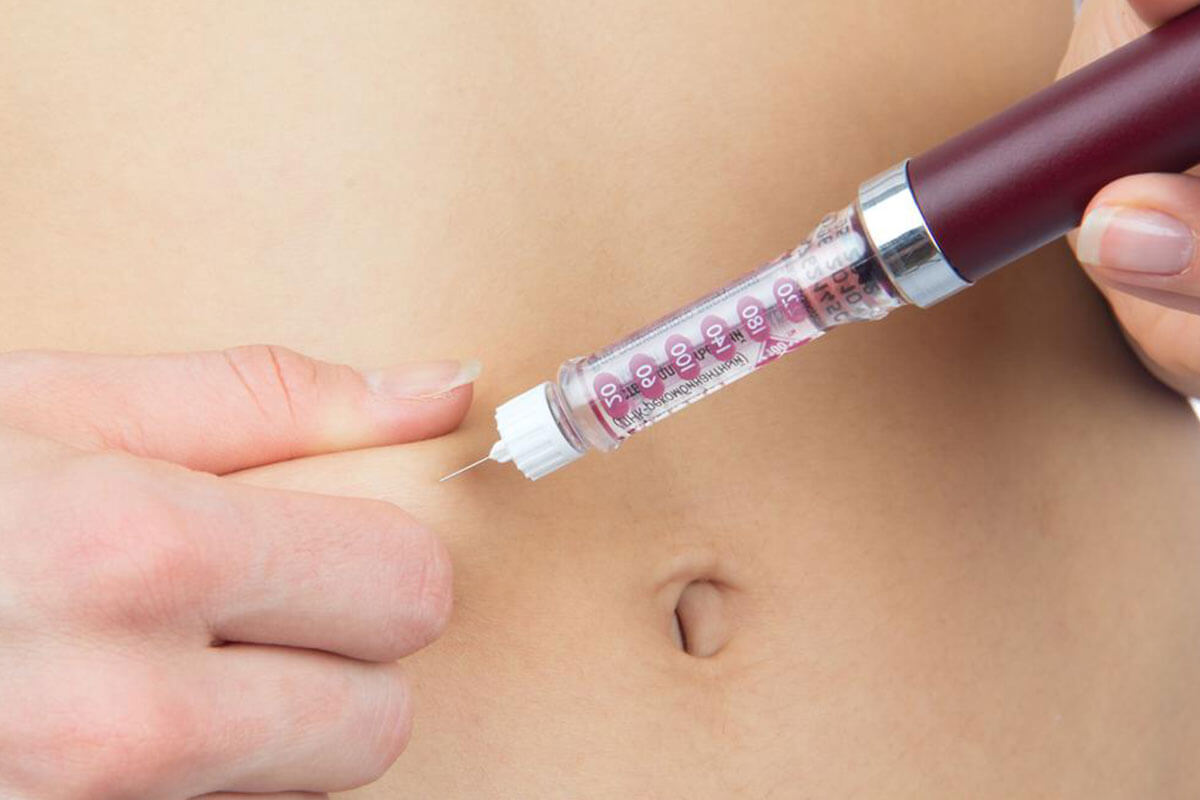
Comprehensive Guide to Choosing the Most Suitable Epinephrine Auto-Injector for Emergency Allergic Reactions
Choosing the right epinephrine auto-injector from a wide range of options can be overwhelming, especially during emergencies. This detailed guide provides essential insights into selecting, understanding, and effectively using epinephrine devices to ensure safety and preparedness for severe allergic reactions.
Epinephrine, commonly known as adrenaline, is a critical emergency medication used to treat life-threatening allergic reactions, known as anaphylaxis. It works swiftly to restore blood pressure, stimulate the heart, ease breathing difficulties, and reduce facial, lip, and throat swelling during allergic crises. The introduction of epinephrine auto-injectors, or epinephrine pens, has made it much easier for individuals to carry and administer this vital medicine promptly in emergencies.
This device enables self-administration of potentially life-saving doses during severe allergic episodes. While epinephrine acts quickly, timely injection during anaphylaxis is crucial for effectiveness. Delays in administration can lead to serious health risks, including fatalities. Therefore, having access to an auto-injector at all times is essential for individuals with known severe allergies.
The Food Allergy Research & Education (FARE) organization recommends always carrying two epinephrine auto-injectors to ensure rapid access during emergencies. If your healthcare provider prescribes these devices, it is vital to carry them with you wherever you go, ensuring you can respond immediately during an allergic crisis.
Many individuals assume all epinephrine auto-injectors are identical, but in reality, significant differences exist between brands and models. Variations in device design, instructions, and usage features mean that selecting the right auto-injector and understanding its proper use can be the difference between life and death. Below are comprehensive tips on how to choose and effectively operate an epinephrine auto-injector:
Consult Your Healthcare Provider: Your doctor will evaluate the severity of your allergy and recommend the most suitable epinephrine device. Clarify all usage instructions, and do not hesitate to ask questions about the device's design and operation.
Learn Proper Use: Before leaving your healthcare provider’s office, ensure you understand how to operate your chosen auto-injector confidently. Request demonstrations or training sessions if necessary to master the correct injection technique.
Clarify Prescription Details: Ask your doctor to specify the exact product name on your prescription. This helps avoid confusion at the pharmacy and ensures you receive the correct device.
Check Availability: Confirm with your pharmacist that the prescribed auto-injector is in stock before leaving the clinic, so you are not caught unprepared.
Read Manufacturer Instructions: Carefully study the manufacturer's instructions, which often include visual guides and videos. Practice the injection several times to develop confidence and muscle memory.
Inform Family and Caregivers: Make sure family members, friends, or caregivers know how to use the auto-injector in case of an emergency. Proper training can make a critical difference in stressful situations.
Some of the most trusted and FDA-approved brands include EpiPen®, Auvi-Q™, and Adrenaclick®. These brands offer instructional videos and practice devices to help users become familiar with proper administration techniques.
Storage and Handling Tips for Auto-Injectors
Most epinephrine auto-injectors are designed to be administered through clothing, typically through the outer thigh—avoid injections into veins or the gluteal muscles. During injection, hold the device firmly against the thigh and follow the instructions for steady and correct administration. Remember, epinephrine provides rapid relief, but its effects are temporary, so seek immediate emergency medical assistance after use.
Proper storage is vital to maintaining medication efficacy. Store auto-injectors in a cool, dark place, away from direct sunlight and high temperatures. Do not refrigerate or freeze the device, as extreme cold can damage the medication. If the solution changes color or appears cloudy, contact your healthcare provider for a replacement.
In conclusion, choosing the right epinephrine auto-injector involves understanding your allergy severity, learning the correct administration technique, and keeping the device accessible at all times. Proper training, storage, and prompt use can be life-saving in moments of anaphylaxis. Being prepared and informed ensures you can respond effectively during allergic emergencies, significantly reducing risks and improving outcomes for individuals with severe allergies.