Comprehensive Guide to Turmeric Supplements: Benefits, Uses, and Effective Intake Strategies
Explore the comprehensive benefits of turmeric supplements, including their impact on inflammation, pain relief, and degenerative disease prevention. Learn effective dosage strategies, different forms of intake, and essential tips for maximizing absorption. This detailed guide helps you make informed decisions about incorporating turmeric into your health routine to support wellness naturally.
Comprehensive Guide to Turmeric Supplements: Benefits, Uses, and Effective Intake Strategies
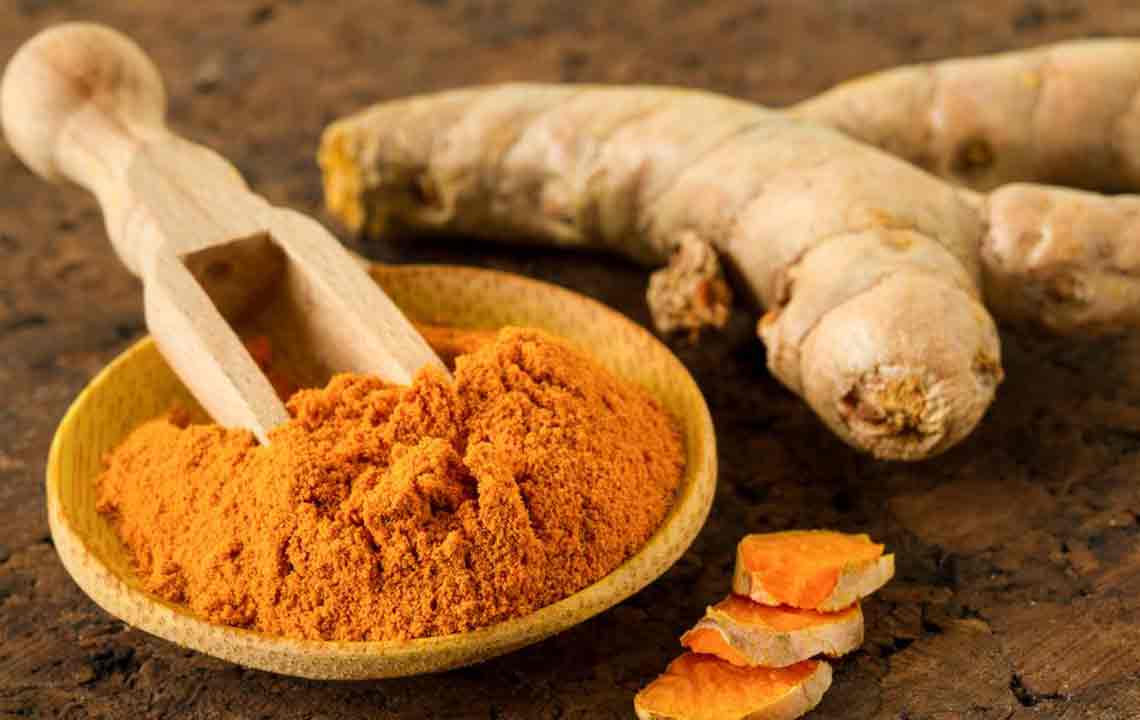
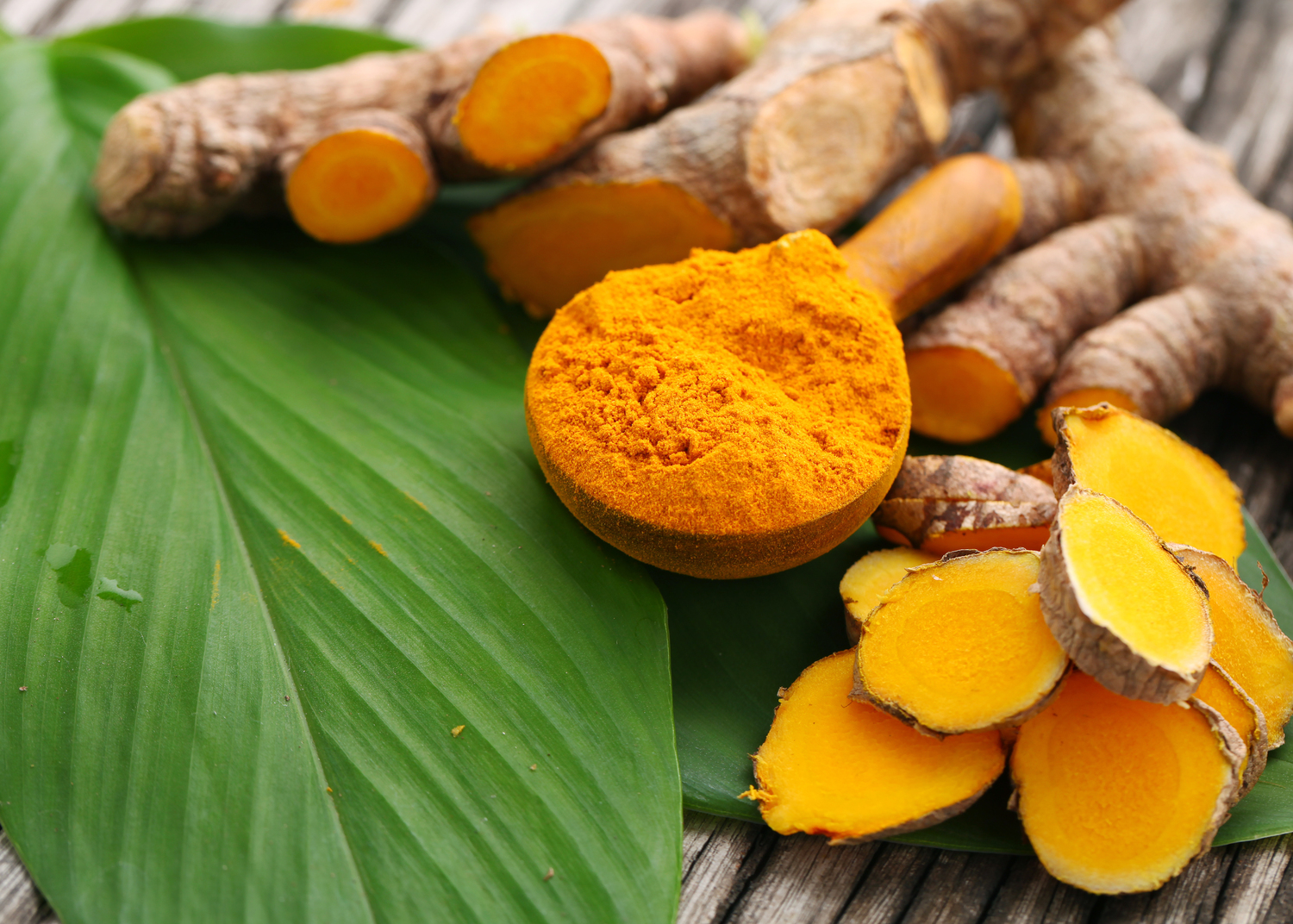
Turmeric, a vibrant yellow-orange spice originating from South Asia, has been a staple in Asian culinary traditions for centuries. Its striking color and warm, earthy flavor make it a popular addition to dishes like curries, rice, and stews. But beyond its culinary uses, turmeric has gained widespread attention in the health and wellness industry due to its potent medicinal properties. The root of turmeric contains active compounds, particularly curcumin, which are believed to confer numerous health benefits.
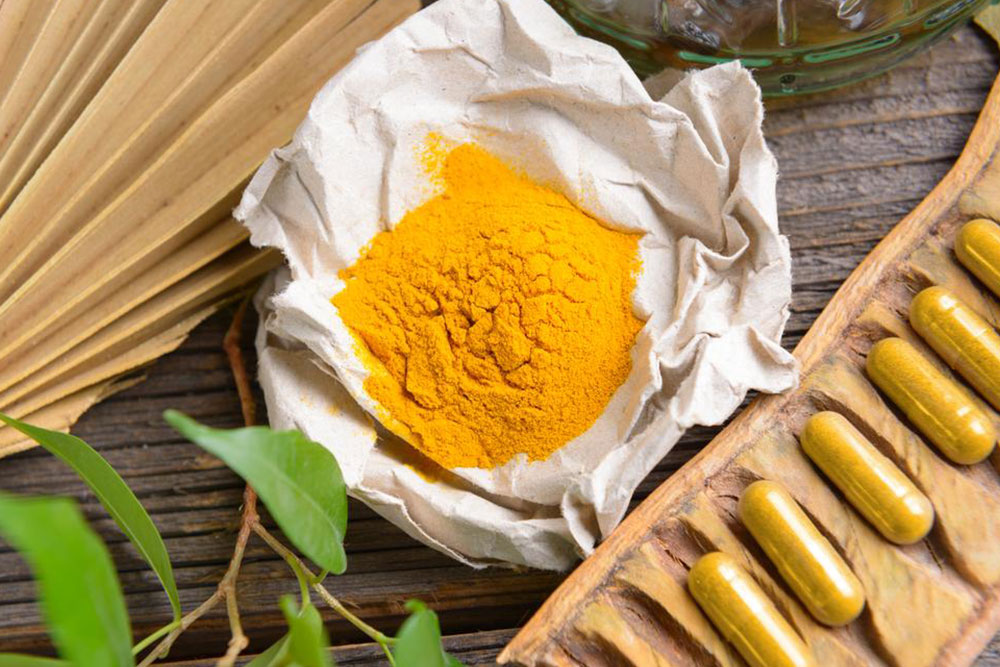
Nowadays, turmeric is available in various forms, including fresh roots, powdered spice, capsules, tablets, tinctures, and extracts. This versatility allows consumers to incorporate turmeric into their daily routines conveniently. The increased use of turmeric supplements is driven by scientific research and traditional medicine practices that highlight its role in supporting overall health.
Understanding the potential health benefits and proper usage of turmeric supplements is crucial before incorporating them into your diet. Research indicates that turmeric’s primary active compound, curcumin, possesses powerful anti-inflammatory and antioxidant properties. These attributes make turmeric a popular choice for those fighting chronic inflammation, joint pain, and degenerative diseases. Additionally, preliminary studies suggest turmeric may be beneficial in reducing the risk of stroke, managing symptoms of arthritis, and possibly offering neuroprotective effects that could shield against conditions like Alzheimer’s disease.
While promising, it's essential to interpret these benefits with caution. Many findings are based on laboratory studies or animal models, and more comprehensive clinical trials are needed to confirm turmeric’s effectiveness in humans. Nonetheless, integrating turmeric into your health routine, whether through food or supplements, can provide additional support for your overall well-being.
Dosage recommendations vary depending on the form and purity of turmeric products. For general health support, many experts suggest a daily intake of 200 milligrams of curcumin, but doses as high as 5,000 milligrams may be used under medical supervision. To enhance absorption, it’s advisable to consume turmeric or curcumin supplements with healthy fats, as curcumin is fat-soluble and dissolves better in lipid-rich environments.
Common methods for consuming turmeric include eating fresh roots (typically 1.5 to 3 grams daily) or using powdered turmeric in cooking. For supplement form, standardized curcumin capsules or tablets are often taken at doses of 400-600 milligrams, three times a day. Another effective approach is using tinctures—diluted extracts containing curcumin—taken in small drops (30-90 drops) four times daily. Always consult with a healthcare professional before beginning any supplement regimen, especially at higher doses or if you’re on medication.
In summary, turmeric supplements offer a promising natural approach to supporting inflammation management and overall health. By understanding the right dosage, form, and combination with other foods or nutrients, you can safely harness the health benefits this ancient spice has to offer.