Comprehensive Natural Methods to Keep Spiders Out of Your Home
Discover comprehensive natural methods to remove and prevent spiders in your home. From sealing entry points to using essential oils and natural deterrents like vinegar and chestnuts, this detailed guide offers safe, eco-friendly strategies to keep your living space spider-free. These techniques are effective, cost-efficient, and pose no health risks to humans or pets, making them ideal for a pest-free and healthier home environment.
Comprehensive Natural Methods to Keep Spiders Out of Your Home
Spiders, while mostly harmless, can still be a major nuisance, especially during colder months when they seek warmth and shelter indoors. Their presence not only creates unpleasant visuals with webs and egg sacs but also complicates cleanliness efforts in living spaces. Fortunately, there are numerous natural, safe, and effective methods to prevent and eliminate spiders from your home. Unlike chemical repellents, these organic strategies are eco-friendly and pose minimal health risks to humans and pets. This article explores detailed, proven techniques to keep those eight-legged visitors at bay naturally.
1. Conduct a Thorough Household Vacuuming
One of the most immediate and effective steps in spider control is comprehensive vacuuming. Start by vacuuming every corner of your house meticulously—this includes ceilings, corners, behind furniture, under beds, inside closets, and around window sills. Spiders often hide in hard-to-reach areas, and their webs and egg sacs can easily be removed through sustained vacuuming. Use a vacuum cleaner with a HEPA filter to ensure even finer particles are captured, and immediately empty the vacuum bag or canister into an outdoor trash bin to prevent any escaped spiders from re-infesting your living area. This initial deep clean makes subsequent natural deterrent applications more effective because it removes webs and other hiding spots. Regular vacuuming, especially during seasons when spiders are more active, can significantly reduce their numbers and prevent re-entry into your home.
2. Seal All Potential Entry Points
Spiders can enter your home through tiny cracks and gaps around windows, doors, and walls. Conduct a thorough inspection of your house, paying close attention to areas around vents, utility entry points, and foundation cracks. Use high-quality caulking to seal small gaps, particularly around window frames and door jambs, as well as utility pipes and electrical outlets. Additionally, install or replace weatherstripping around doors and windows using foam, felt, or rubber strips; this not only blocks entry points but also enhances insulation and energy efficiency. Remember, a well-sealed home creates a formidable barrier against unwanted pests, including spiders, drastically reducing their likelihood of intrusion.
3. Enhance Insulation and Weatherproofing
Proper insulation and weatherproofing are crucial, not only for energy savings but also for pest prevention. Cover all gaps and cracks around windows and doors with weatherstripping materials like foam tape, felt, or rubber seals. Check for drafts and seal them to prevent spiders from slipping through these openings. Additionally, consider installing door sweeps on exterior doors. Ensuring your home is airtight discourages spiders from entering, especially during colder months when they look for warm spots indoors. These measures may require an initial investment but pay off in comfort and pest prevention over time.
4. Use Aromatic Essential Oils as Natural Repellents
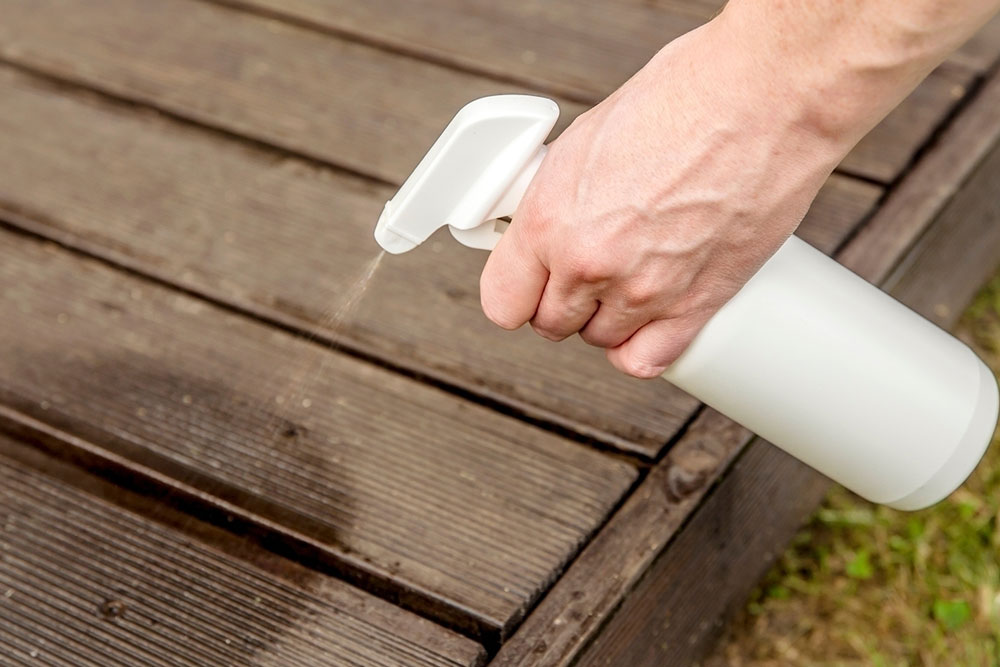
Many essential oils emit strong scents that spiders tend to avoid. Incorporate oils like peppermint, eucalyptus, tea tree, lavender, and rose into your pest control routine by mixing 15-20 drops of your preferred oil with a cup of water in a spray bottle. Shake well before each use. Spray this solution generously around common entry points, corners, baseboards, and window sills. Regular application—say, every few days—can create a scent barrier that deters spiders from settling in. Additionally, placing a few drops of these oils on cotton balls kept in strategic locations can help maintain a spider-repelling environment. As a bonus, these oils also give your home a pleasant aroma, improving indoor air quality naturally.
5. Vinegar and Coconut Oil Spray
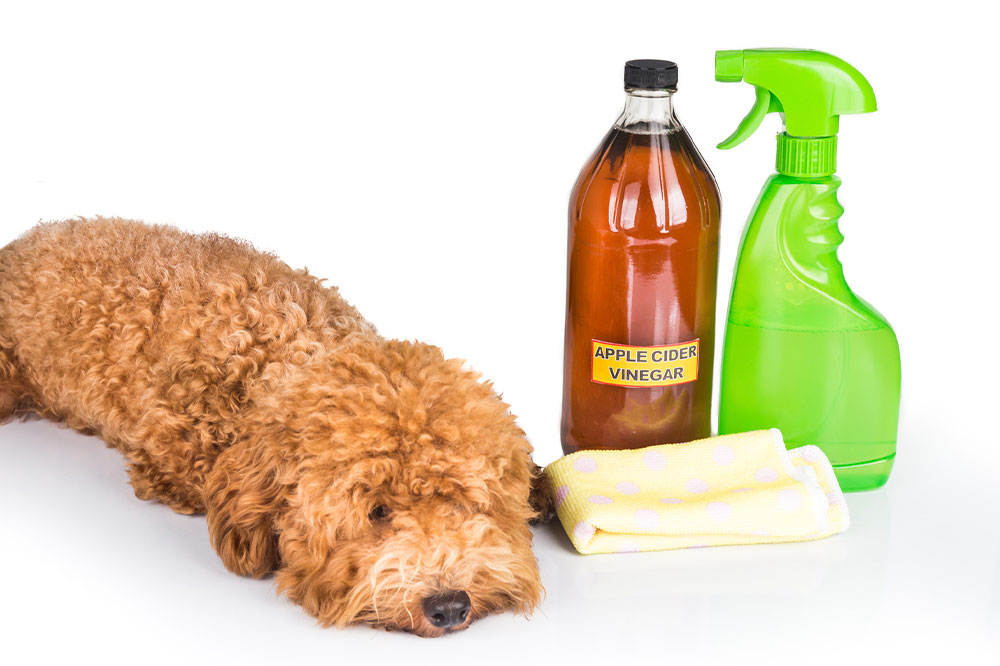
Vinegar, a versatile household item, is known for its insect-repelling properties. To create an effective spider deterrent, mix equal parts of white vinegar and water in a spray bottle. For added potency, incorporate a few drops of coconut oil, which not only enhances the scent but also adds a protective barrier. Shake well and spray in places where spiders are likely to hide or have been spotted—under furniture, in corners, or near web spots. Be sure to remove existing webs and egg sacs before application to improve effectiveness. Repeat this process weekly or as needed to maintain a spider-free environment with chemical-free ingredients.
6. Saltwater as a Natural Repellent
Saltwater solutions can act as a natural barrier against spiders. Prepare a solution by dissolving approximately 1/8 cup of salt in a gallon of warm water. Transfer to a spray bottle and shake thoroughly. Spray this mixture directly onto spiders, their webs, or nests to repel them effectively. Saltwater is safe for humans and pets and can be applied regularly to spider-prone areas like basements, attics, or garage corners. Ensure you target areas where webs are visible and those that serve as potential hiding spots. Consistent applications help maintain an environment that spiders avoid, keeping their numbers minimal.
7. Chestnuts: Nature’s Spider Repellent
Unusually, chestnuts emit a scent that spiders find extremely unpleasant. To use this natural repellent, place whole chestnuts around entry points such as basement doors, attic openings, windowsills, and along doorways. This traditional method is mess-free and chemical-free, making it safe for households with children and pets. Regularly replace the chestnuts to sustain the scent barrier. While not scientifically proven, many people swear by this age-old trick for reducing spider visits without introducing any toxic substances into their living environment. The approach is simple, affordable, and environmentally friendly.
While commercial spider repellents are available, many contain chemicals that pose health risks over long-term use, especially in households with children or pets. Therefore, employing natural, homemade strategies provides a safer alternative. The methods outlined above are sustainable, non-toxic, and proven to be effective at keeping spiders outside where they belong, away from living areas. Incorporating these techniques will not only help you control spider populations but also enhance your home’s overall safety and cleanliness, all while respecting the environment.